
Last updated November 15, 2026
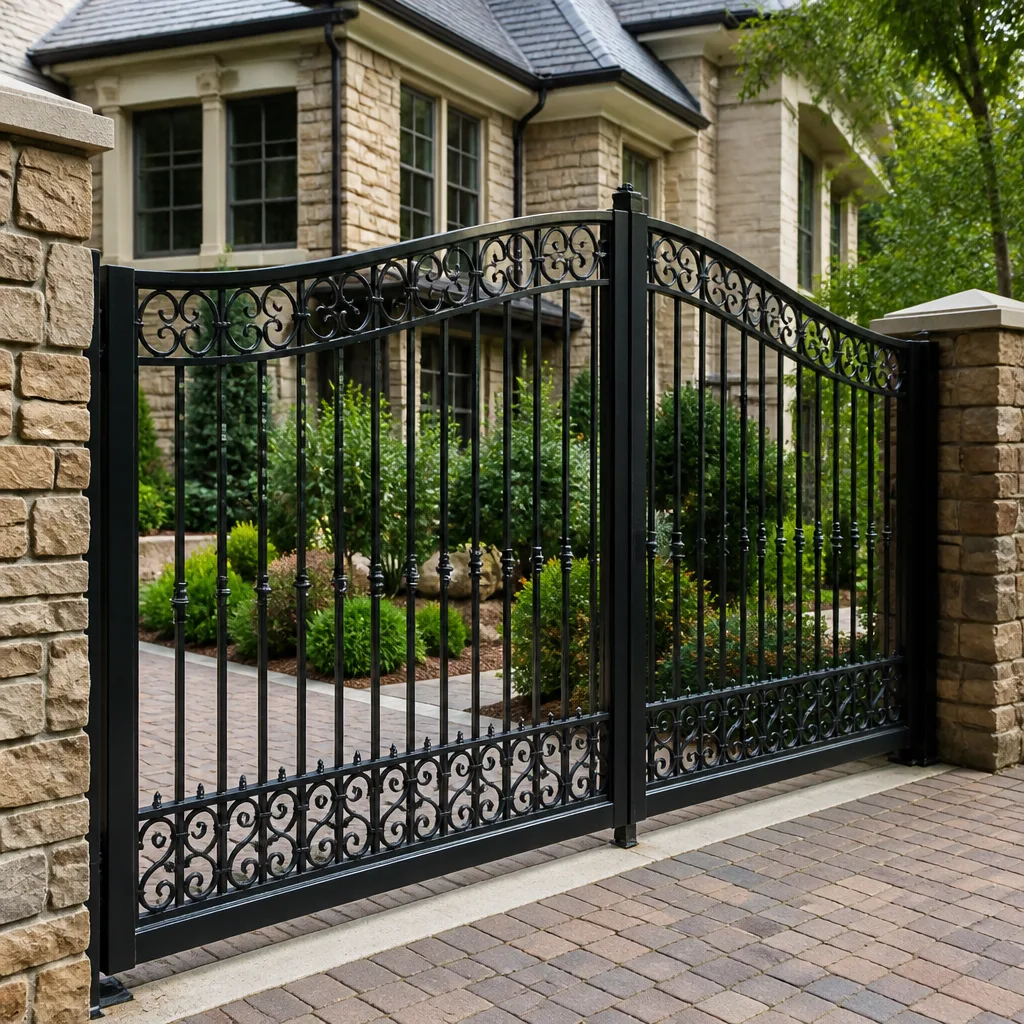 Wrought iron
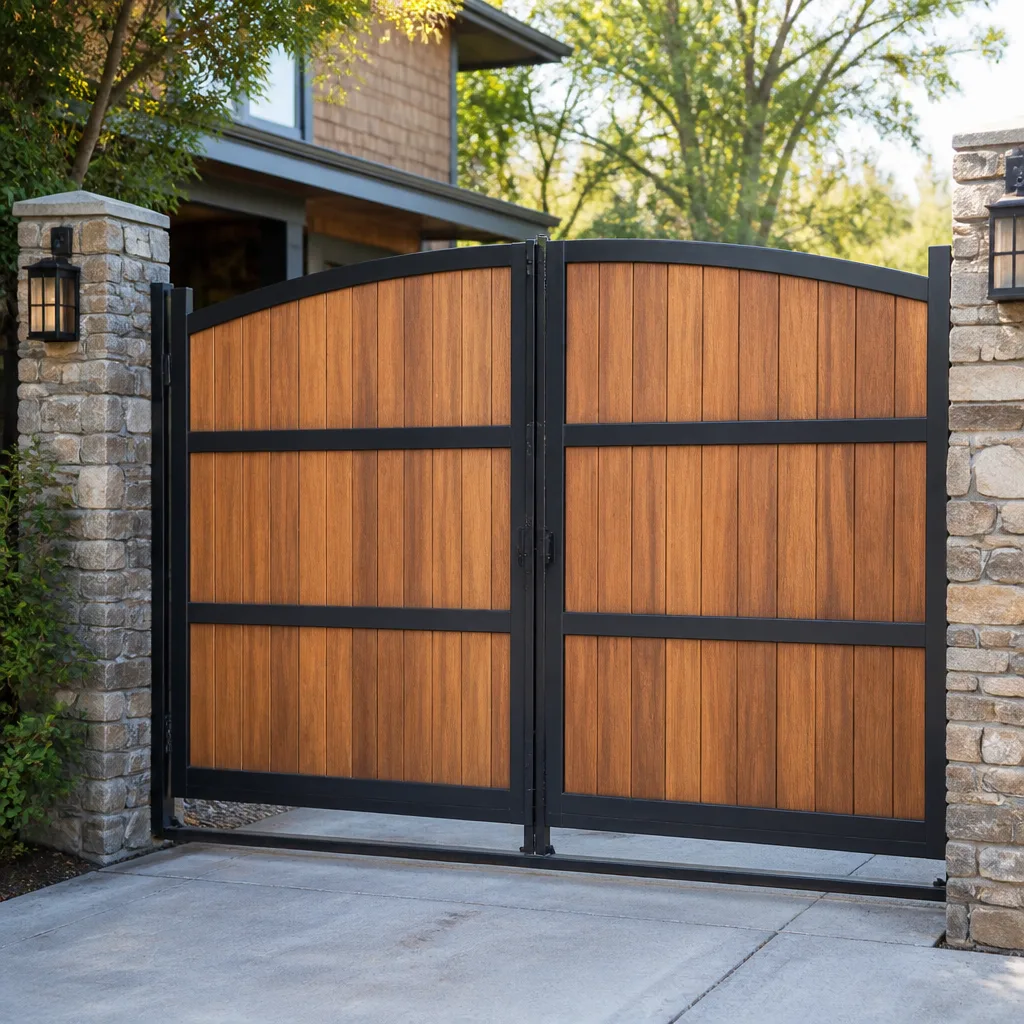 Wood & steel frame
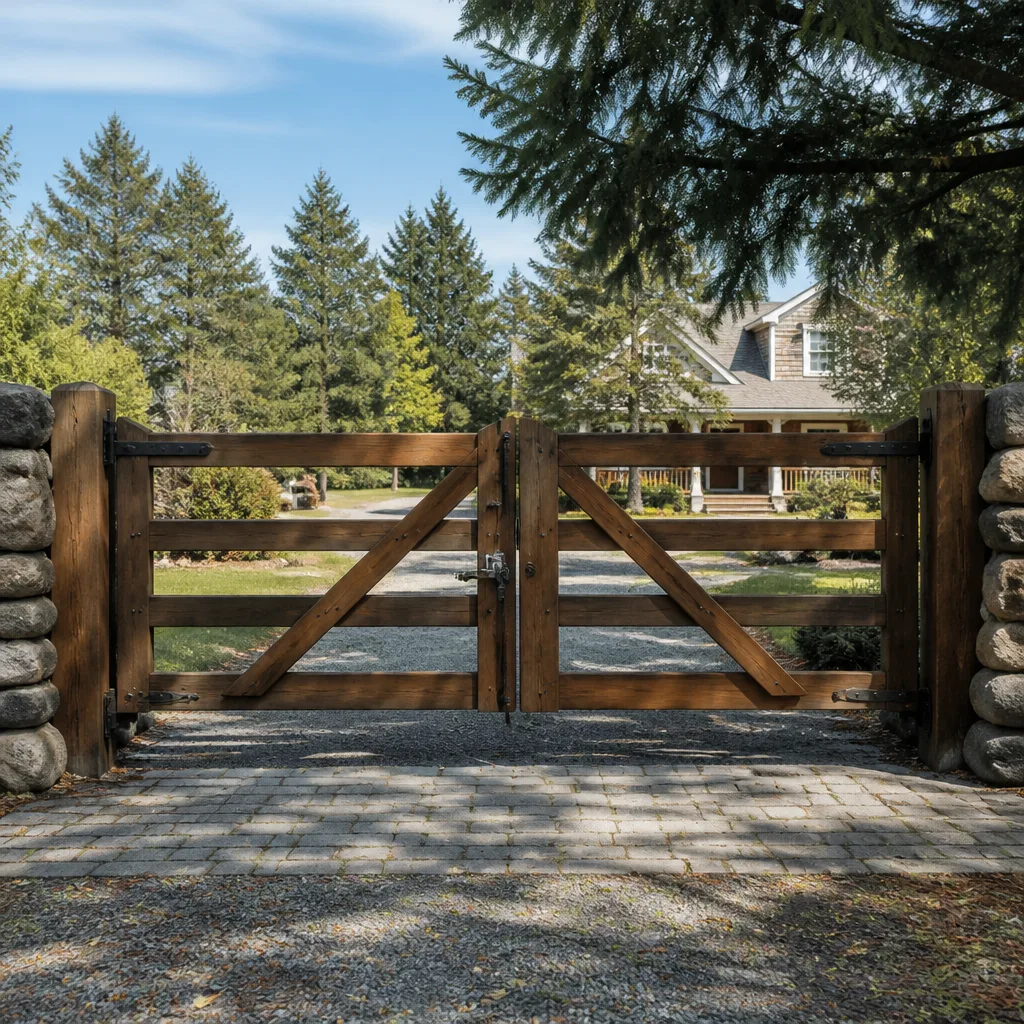 Farm & ranch
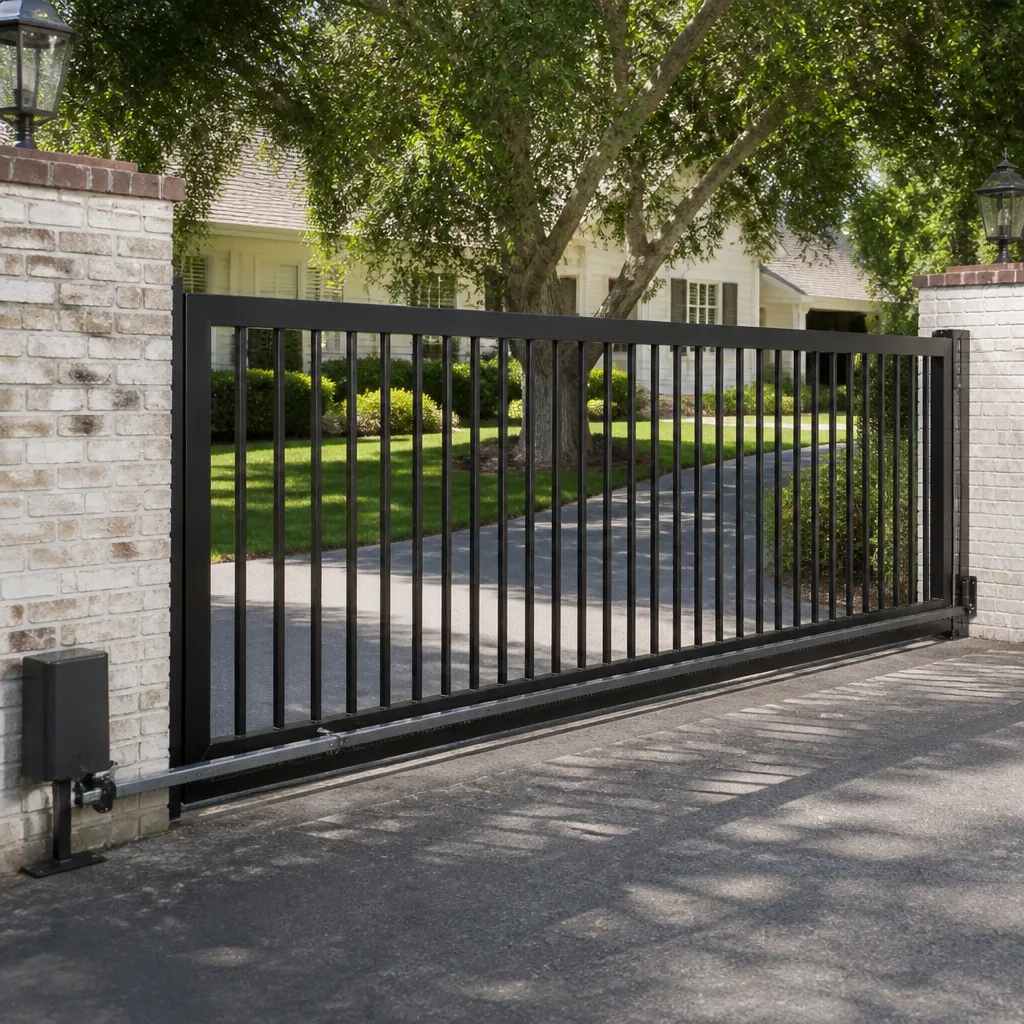 Sliding driveway gates
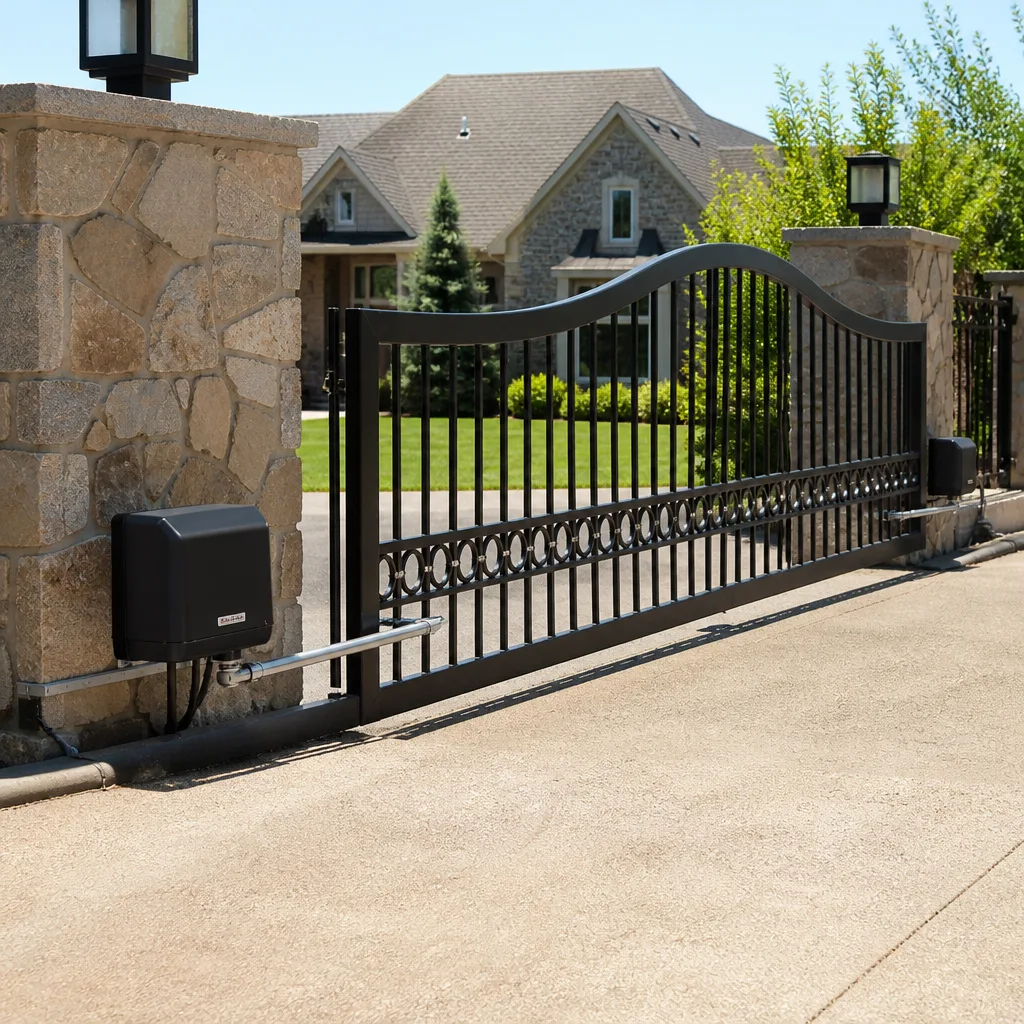 LiftMaster operators
Free on-site gate assessment - hinges, posts, and your LiftMaster or Nice gate operator checked before anything is quoted
The assessment is free and the quote is the invoice.
Get your free estimateThe Complete Guide to Gate Repair in Washington
Most gate failures here don’t start with the part that broke. They start in the ground. Washington sits on a lot of heavy clay, and that clay swells when it’s wet and shrinks when it dries, which means a gate post can shift a fraction of an inch every season without anyone touching the gate itself. By the time a homeowner notices the sag, the drag, or the operator straining to close, the real problem has been building underground for a while. This guide maps the patterns we’ve learned to recognize in Washington: how soil and humidity drive misalignment, how to tell a repairable gate from one that was installed wrong from day one, what’s different about rowhouse and alley gates, and how to read a quote so you’re paying to fix the cause, not the symptom.
Quick Answer
Gate repair in Washington covers anything from a post that has leaned out of plumb to an operator, control board, or sensor that has failed. The right fix depends on the root cause, and the root cause is usually soil movement, hardware wear, or an original installation that never accounted for either. A qualified gate technician diagnoses by brand and by mechanical cause, not by replacing whatever part looks broken first.
Styles & brands we work with
- Wrought iron
- Wood & steel frame
- Farm & ranch
- Sliding driveway gates
- LiftMaster operators
Table of Contents
- The Three Root Causes Behind Most Washington Gate Failures
- Why DC’s Clay Soil Causes Post Lean and Misalignment
- Repair or Replace? How to Tell What You’re Actually Dealing With
- Urban Gate Repair: Rowhouses, Alley Gates, and Courtyard Entries
- Brand-Specific Failure Modes in the Washington Market
- Electric Gate Repair: Operators, Control Boards, and Sensors
- How to Read a Gate Repair Quote
- What Actually Prevents Repeat Gate Problems
The Three Root Causes Behind Most Washington Gate Failures
When a gate stops working, the visible failure is rarely the real one. In our experience across Washington, the problem traces back to one of three places: ground movement, hardware fatigue, or an installation that was wrong from the start. Each one produces the same surface symptoms, which is exactly why guessing gets expensive.
Ground movement. Posts shift. Hinges twist out of alignment. A gate that closed cleanly last spring now drags on the ground or catches the strike. This is the most common cause in Washington because of the soil, and it’s the one most often misdiagnosed as a hinge problem.
Hardware fatigue. Hinges, rollers, latches, and track assemblies wear at predictable rates. A wheel that has flattened on one side will make a slide gate lurch. A hinge pin that has worn thin will let a swing gate sag at the outer edge. These are straightforward fixes once you’ve identified them.
Installation error. Some gates never worked right. The post wasn’t set to proper footing depth, the operator was sized for a lighter gate, or the geometry was off from day one. No amount of adjustment fixes a design problem, and this is the category homeowners most often miss because the gate “sort of” worked for a while.
Before any repair, we ask three questions: Does the gate move freely by hand with the operator disengaged? Is the post plumb? Does the gate sit level in the closed position? The answers tell us which of the three causes we’re dealing with, and every repair decision follows from there.
Why DC’s Clay Soil Causes Post Lean and Misalignment
Washington’s clay-heavy soil is the single biggest driver of gate misalignment in the city, and it moves faster than most homeowners expect. Clay expands when it holds water and contracts as it dries, and the seasonal swing here is wide enough to nudge a post out of plumb within a couple of seasons. A gate that was perfectly aligned at installation can develop a drag on one corner or a gap at the latch without any impact or obvious cause.
What makes this tricky is that the symptom appears at the gate, but the problem lives below grade. Replacing a hinge won’t fix a post that has rotated. Tightening a latch won’t fix a gate that has dropped because the ground under one post has settled. If a technician only looks at the hardware, they’ll chase the same problem every year.
Here’s how soil-driven movement typically shows up in Washington:
- Drag at the swing arc. The gate catches the ground or the strike plate on one side because the post has leaned.
- Latch misalignment. The gate closes but doesn’t sit flush, or the latch needs a push to engage.
- Operator strain. An automatic gate that runs but labors, overheats, or times out because the mechanical resistance has increased.
- Uneven gaps. One side of the gate sits higher than the other, especially visible on double swing gates.
Diagnosis starts with a level and a plumb check on the posts, not a parts swap. If the post has moved, the repair has to address the footing before it addresses the gate. That’s the difference between a fix that holds and a callback waiting to happen.
Repair or Replace? How to Tell What You’re Actually Dealing With
Homeowners in Washington often ask whether their gate needs repair or replacement, and the honest answer is that most gates get replaced when a repair would have held for years. The distinction isn’t about age or appearance. It’s about whether the gate was built and installed correctly in the first place.
A gate that’s repairable usually has these characteristics:
- The gate frame and panels are structurally sound, with no rot, heavy rust, or cracked welds.
- The post is intact and can be re-set or stabilized rather than replaced.
- The operator and control system are functional or repairable, and the mechanical resistance is within the operator’s capacity.
- The geometry is correct: the gate swings or slides freely on a plumb post with proper clearance.
A gate that may need replacement usually shows one or more of these:
- The post was set too shallow or in poorly compacted soil, so it moves every season no matter how often it’s adjusted.
- The operator was sized for a lighter or shorter gate than the one installed, so it’s always been overmatched.
- The gate frame has failed at the welds or hinges because of years of fighting the misalignment.
- Repeated repairs have addressed the same symptom without ever touching the cause.
Here’s the sequence we use to make that call:
- Disengage the operator and check whether the gate moves freely by hand. If it doesn’t, the mechanical problem is the priority, not the electronics.
- Check the post for plumb on both axes. Any lean tells us whether the ground is involved.
- Inspect the hinges, rollers, and frame for damage that would outlast a repair.
- Test the operator, control board, and sensors separately from the gate’s mechanical condition.
- Decide based on cause: if the gate and post are sound, repair; if the foundation or design was wrong, replacement is often the cheaper path over time.
If you’re unsure which side of that line your gate is on, our gate repair team can walk through the diagnosis with you and tell you plainly which fix makes sense.
Urban Gate Repair: Rowhouses, Alley Gates, and Courtyard Entries
Gate repair in Washington is shaped by the city’s building stock in ways that suburban guides never address. Rowhouses, alley gates, and courtyard entries each create their own constraints, and a repair approach that works on a detached suburban property can fail completely here.
Rowhouse gates often sit between party walls with very little lateral clearance. The gate has to swing within a tight arc, and a post that leans even slightly will cause the gate to bind against masonry. Repairs frequently involve adjusting the gate’s position rather than the post, because moving the post risks the wall.
Alley gates serve a security function that a front gate doesn’t. They’re typically the only controlled access to the rear of the property, and an automatic alley gate that fails is a real access problem, not a cosmetic one. These gates also face more vehicle proximity, more debris, and often less maintenance attention until something breaks.
Courtyard entries may be decorative, security, or both, and they’re often installed in tight spaces where the operator’s mounting options are limited. A control board that fits one courtyard layout may not fit the next, and the wiring run can be the hardest part of the job.
Urban installations also raise practical questions that suburban work doesn’t. Access for equipment, parking, permission to work in common areas, and coordination with neighbors on shared alley gates all affect how a job is scheduled. We account for these up front so the repair isn’t stalled halfway through.
For a broader look at how we handle gates across the district, see Washington.
Brand-Specific Failure Modes in the Washington Market
Every gate brand fails in its own way. A technician who doesn’t know the brand’s logic will guess at the problem, replace the wrong part, and leave you with a bill and the same failure next season. That’s why we diagnose by brand, not by trial and error, and why we work on the system you already have rather than steering you toward a particular manufacturer.
Here are the failure patterns we see most often in the Washington residential market:
LiftMaster operators. LiftMaster systems are common on residential swing and slide gates, and the most frequent issues we see involve control board faults after power surges or lightning-adjacent storms, plus limit switch drift that causes the gate to stop short or overrun. Sensors that have drifted out of alignment are another regular culprit, and they’re often blamed on the operator when the issue is really the beam.
Ghost Controls. Ghost Controls systems are popular on residential swing gates, and their failure modes tend to center on battery and solar power supply, wiring connections that corrode or work loose, and remote or keypad pairing after a board reset. Getting a Ghost Controls system back online is often about restoring clean power and signal, not swapping the operator.
Mighty Mule. Mighty Mule operators show up on DIY-installed residential gates, and many of the failures we see are installation-related: undersized posts, incorrect arm geometry, or control boxes mounted where water reaches them. Diagnosing these correctly means separating what the operator is doing wrong from what the installation is asking it to do.
FAAC and BFT. On the light-commercial and heavier residential side, FAAC and BFT systems are common, and their failures often trace to control board logic, encoder faults, or loop detector problems rather than the operator itself. These need a technician who knows the brand’s board behavior and can read the fault codes accurately.
If your brand isn’t on this list, that doesn’t mean we can’t help. We work across the major gate brands you’ll find in Washington, and the diagnostic approach is the same: identify the brand, understand its failure patterns, and test the system in the right order.
Electric Gate Repair: Operators, Control Boards, and Sensors
Electric gate repair is its own discipline, and it’s the part of the work most general contractors avoid. A gate that opens and closes by hand can still fail entirely on the electrical side, and the failure points are specific: the operator, the control board, the safety sensors, the loop detectors, the access control, and the wiring that ties them together.
Safety matters here in a way it doesn’t on a manual gate. Automated gates move heavy panels under power, and a gate that lacks functioning safety edges or beam sensors can close on a person, a pet, or a vehicle. If your gate is running with a bypassed sensor or a missing safety edge, that’s a stop-everything problem, not a maintenance item. A trained technician should handle anything involving the operator’s wiring, the power supply, and the safety devices; testing sensors and understanding fault codes is one thing, rewiring a control circuit is another.
Here’s what we check, in order, when an electric gate fails:
- Power supply and battery backup. A dead battery or tripped breaker will look like a dead operator.
- Control board fault codes. These usually tell you exactly what the system thinks went wrong.
- Safety sensors and safety edges. A misaligned beam or failed edge will stop the gate from closing.
- Loop detectors and access control. These determine whether the gate knows a vehicle is present and whether it opens on command.
- The operator’s mechanical condition: limit switches, gearing, and motor load.
- The gate’s physical resistance. An operator that’s being asked to move a binding gate will eventually fail.
If your electric gate is down, that’s exactly the kind of job we handle. Our electric gate repair service covers operators, control boards, loop detectors, and access-control components, and we work on the brand you already have.
How to Read a Gate Repair Quote
A gate repair quote tells you a lot about how the technician thinks. A quote that lists parts without a cause is a red flag, because it means the diagnosis stopped at what was visible. A quote that explains the root cause and then prices the repair is one you can trust to hold.
Here’s what a repair quote should tell you:
- The diagnosed cause. Not just “replace hinge” but “hinge failure caused by post lean, which was caused by soil settlement on the hinge post.”
- Whether the cause is being addressed. If the quote fixes the symptom without treating the cause, the same problem will return.
- The scope of the work. What’s included, what isn’t, and whether the price covers testing and adjustment after the repair.
- Whether the price is final or conditional. Legitimate quotes note what could change the price, such as discovering the post footing needs rework.
Red flags in a gate quote include a price that’s based only on a photo, a recommendation to replace the entire gate without a mechanical explanation, a quote that ignores the post and only addresses the hardware, and a price that changes after the work starts without a documented reason. The estimate should be free, the price should be agreed in writing before any work begins, and the final bill should match the quote.
For a full picture of how we handle the repair side of the work, start with Gate Repair Washington.
What Actually Prevents Repeat Gate Problems
Prevention on a Washington gate isn’t about a maintenance plan or a service contract. It’s about addressing the causes that are already at work and checking the things that fail predictably. A gate that’s been correctly installed, correctly aligned, and correctly operated doesn’t need much attention to stay reliable.
The highest-value preventive steps are these:
- Check the post plumb at the start of each season. A post that’s starting to lean can be stabilized before it drags the gate out of alignment.
- Keep the gate’s arc clear. Debris, plant growth, and settled soil in the swing path all add resistance that the operator has to overcome.
- Test the safety sensors and safety edges regularly. A sensor that’s drifted out of alignment is a safety problem before it’s a convenience problem.
- Watch for changed behavior. A gate that’s slower, louder, or stopping short is telling you something is wearing.
- Address small alignment issues early. A gate that’s starting to drag is a much cheaper repair than a gate that’s been dragging for a year.
Manual gates need periodic checks on hinges, latches, and frame condition. Automated gates need the same, plus regular testing of the operator and safety devices. None of that requires a contract; it requires knowing what to look at and calling when something changes.
Common Mistakes to Avoid
- Replacing hardware when the post is the problem. A new hinge on a leaning post will fail the same way the old one did. The post has to be checked before any hardware is swapped.
- Ignoring a slow or loud operator. An automated gate that’s laboring is usually fighting mechanical resistance. Waiting until it fails turns a repair into a replacement.
- Bypassing a safety sensor. A gate that closes because the sensor was disabled is a hazard, especially on Washington alley gates where kids and pets pass through. Safety devices should be repaired, not bypassed.
- Assuming a gate was installed correctly. In Washington’s rowhouse and alley layouts, installation errors are common and often invisible until the first failure. An installation that ignored the soil or the gate’s geometry will keep producing problems.
- Choosing a general handyman for electrical gate work. Operators, control boards, and safety wiring need a technician who works on gates specifically. General contractors typically avoid this work for good reason.
- Accepting a quote that doesn’t name the cause. If the quote only lists parts, ask what’s causing the failure. A repair without a diagnosis is a guess.
- Letting a small misalignment become a structural problem. A gate that drags for one season can damage the frame, the hinges, and the operator. Early alignment checks are far cheaper than the damage they prevent.
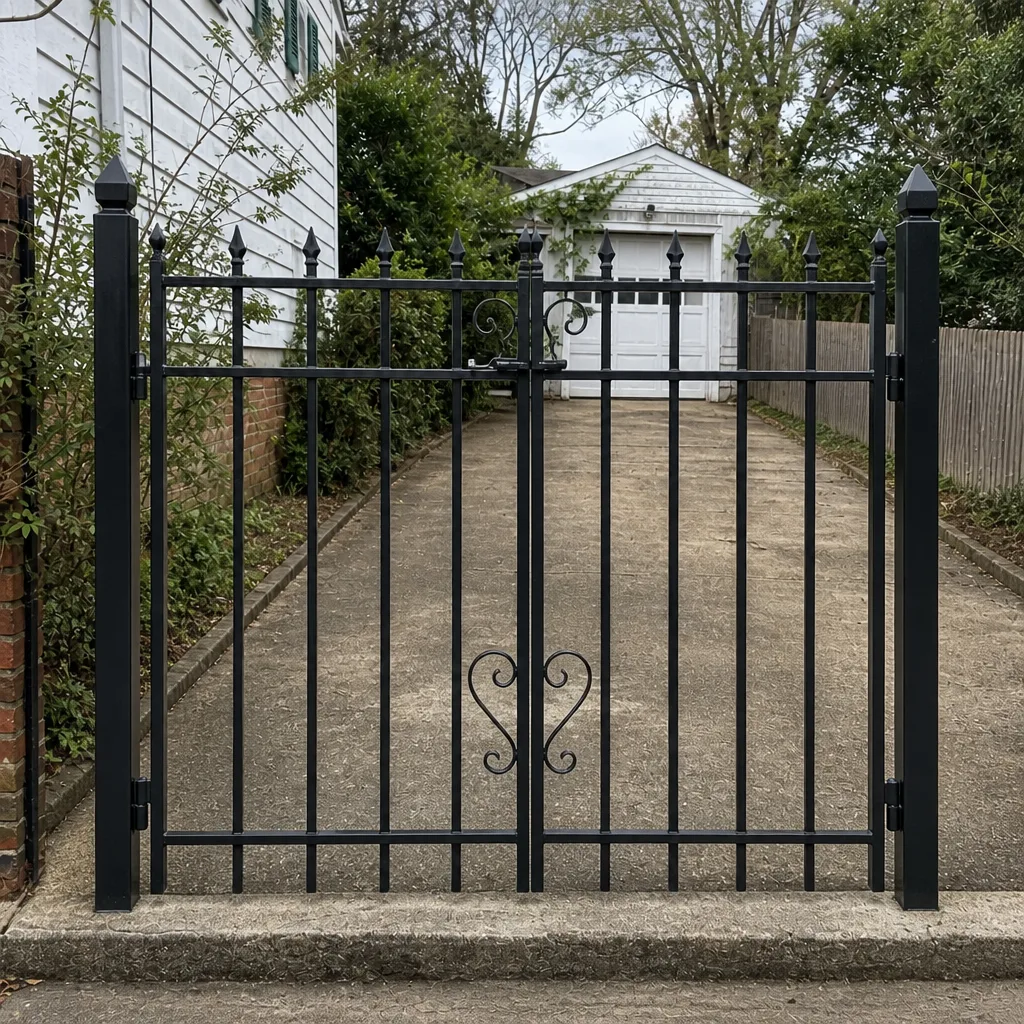
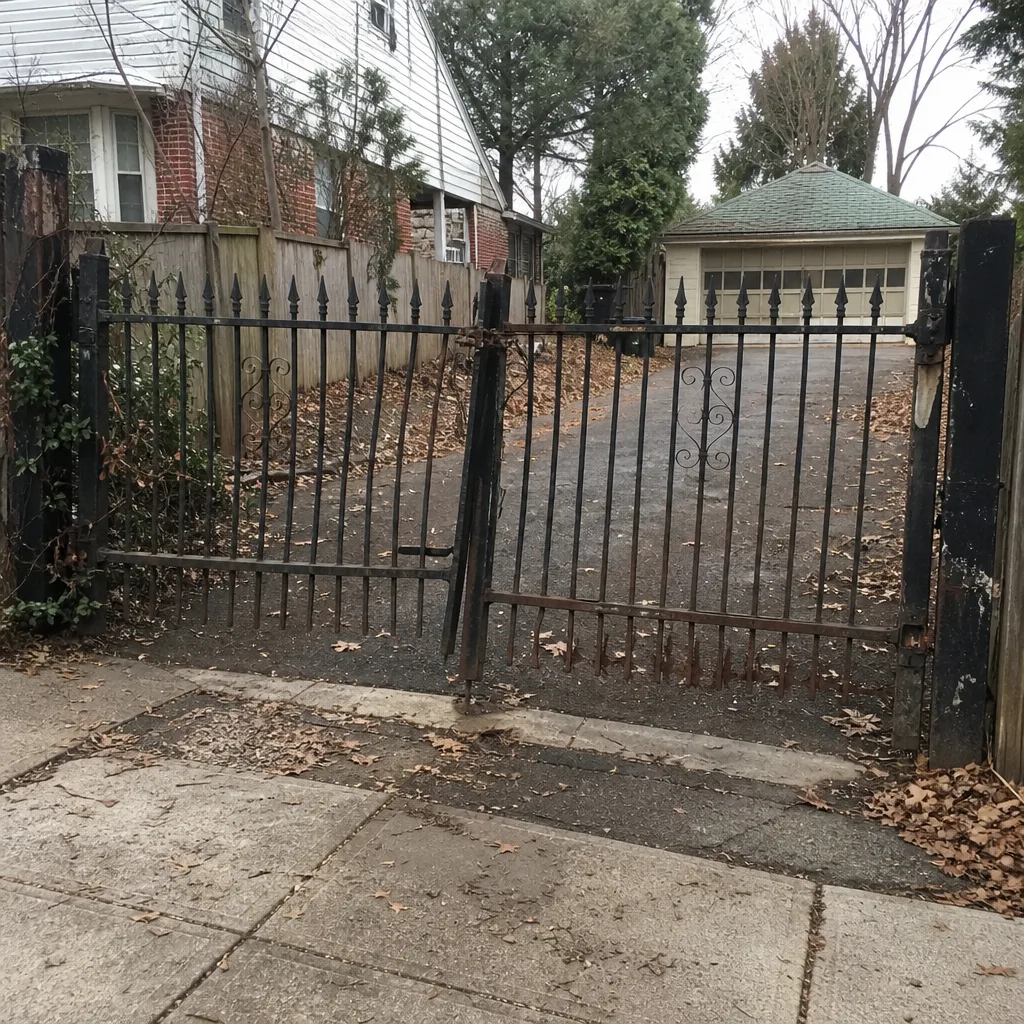
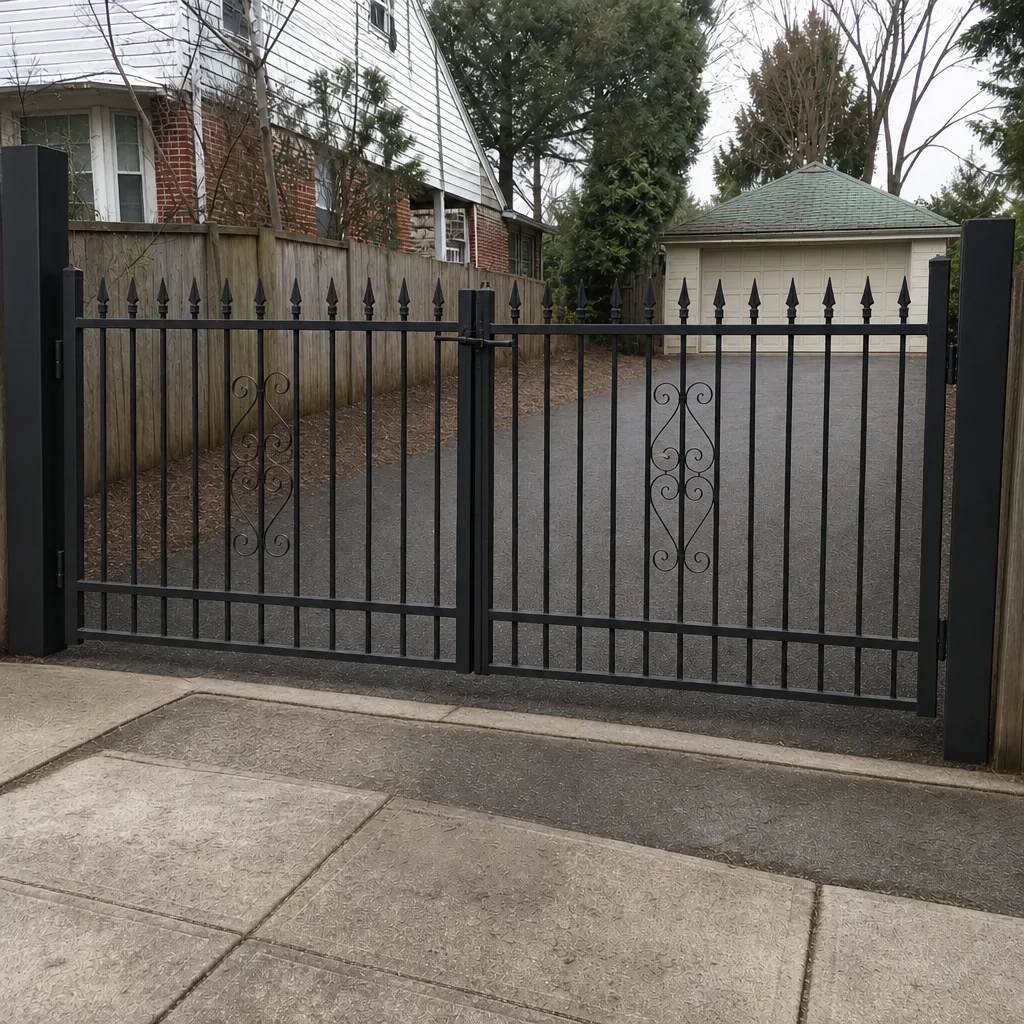
See the difference
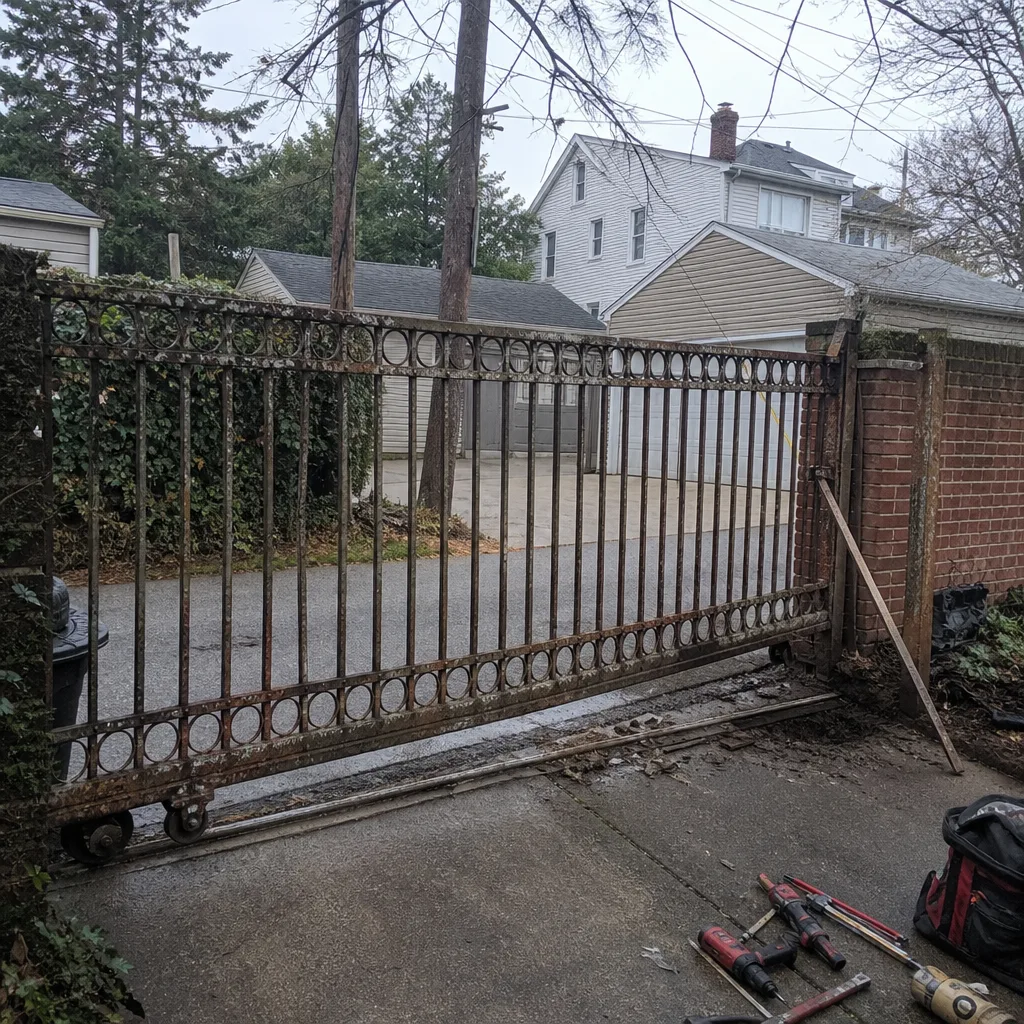 Before
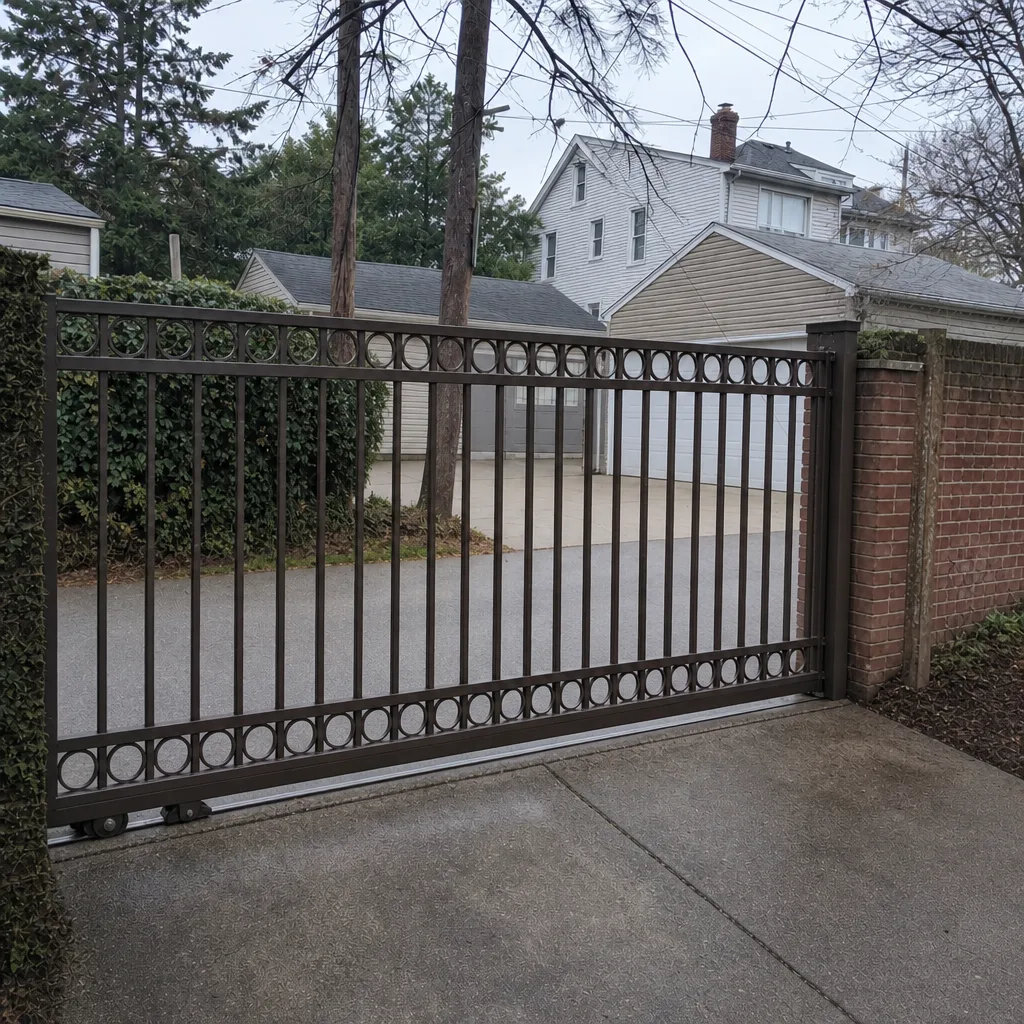 After
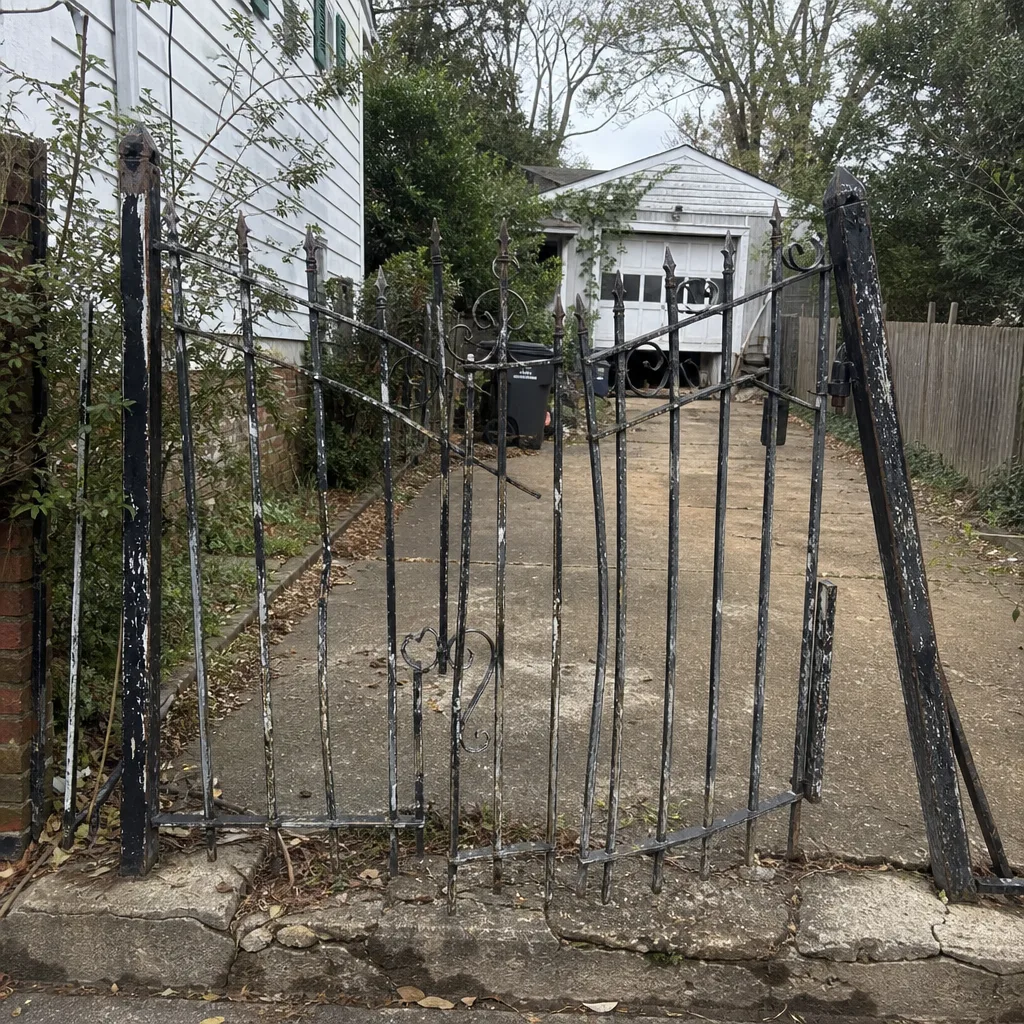 Before
 After
 Before
 After
When to Call a Professional
Some gate problems are safe to observe and describe over the phone. Others need a technician on site before anything else happens. Call a professional if the gate has leaned or dropped, if it drags or binds, if the operator runs but the gate doesn’t move, if the gate stops short or reverses unexpectedly, if a safety sensor or safety edge isn’t working, or if the gate has been repaired for the same symptom more than once. Electrical work on operators, control boards, and safety wiring should always go to a trained technician. Gate Repair Washington offers free estimates in Washington, and we can work with your insurer where relevant. Call (888) 260-4909 to get started.
Frequently Asked Questions
Gate repair in Washington is priced per job by a written estimate, and the estimate is free. The cost depends on the cause: a hardware replacement costs less than a post stabilization, and electrical repair costs depend on which component failed. The price is quoted and agreed before any work starts, so the final bill matches the estimate.
In many cases, yes. We answer 24/7, and we offer fast dispatch from 7am to 7pm, Sunday through Friday. Same-day service is available on many repair calls, and a call outside dispatch hours is booked into the next opening.
In Washington, a leaning gate is usually a post problem first and a hinge problem second. The clay soil moves, the post shifts, and the hinges take the strain. Our technicians check post plumb before replacing any hardware, because a hardware fix on a moving post won’t hold.
We repair both, and electric gate work is a core service rather than an add-on. That covers operators, control boards, loop detectors, sensors, safety edges, and access-control components. We work on the brand you already have, including LiftMaster, FAAC, BFT, Ghost Controls, Mighty Mule, and others.
Sometimes. If the post, frame, and operator can be corrected to proper geometry, a repair makes sense. If the footing was set too shallow or the operator is fundamentally undersized for the gate, replacement is often the more durable fix. Our diagnosis focuses on which of those situations you’re in before recommending either.
Alley gates and courtyard entries are common in Washington, and they come with their own constraints: tight clearances, shared access, and limited mounting options for the operator. We account for those conditions during the estimate so the repair plan fits the actual space, not a generic template.
The Bottom Line
Gate failure in Washington follows patterns. Clay soil moves the posts, hardware wears on a predictable schedule, and installation errors that predate the current owner keep producing the same symptoms. The right repair starts with the cause, not the part. Check the post before the hinge, test the gate by hand before the operator, and read the quote to confirm the diagnosis is in it. If you’re not sure where your gate falls on the repair-or-replace question, a professional diagnosis is free and will save you the cost of fixing the wrong thing. Call (888) 260-4909 for a free estimate. We answer 24/7, with fast dispatch from 7am to 7pm, Sunday through Friday.
Written by the team at Gate Repair Washington.