
Last updated November 15, 2026
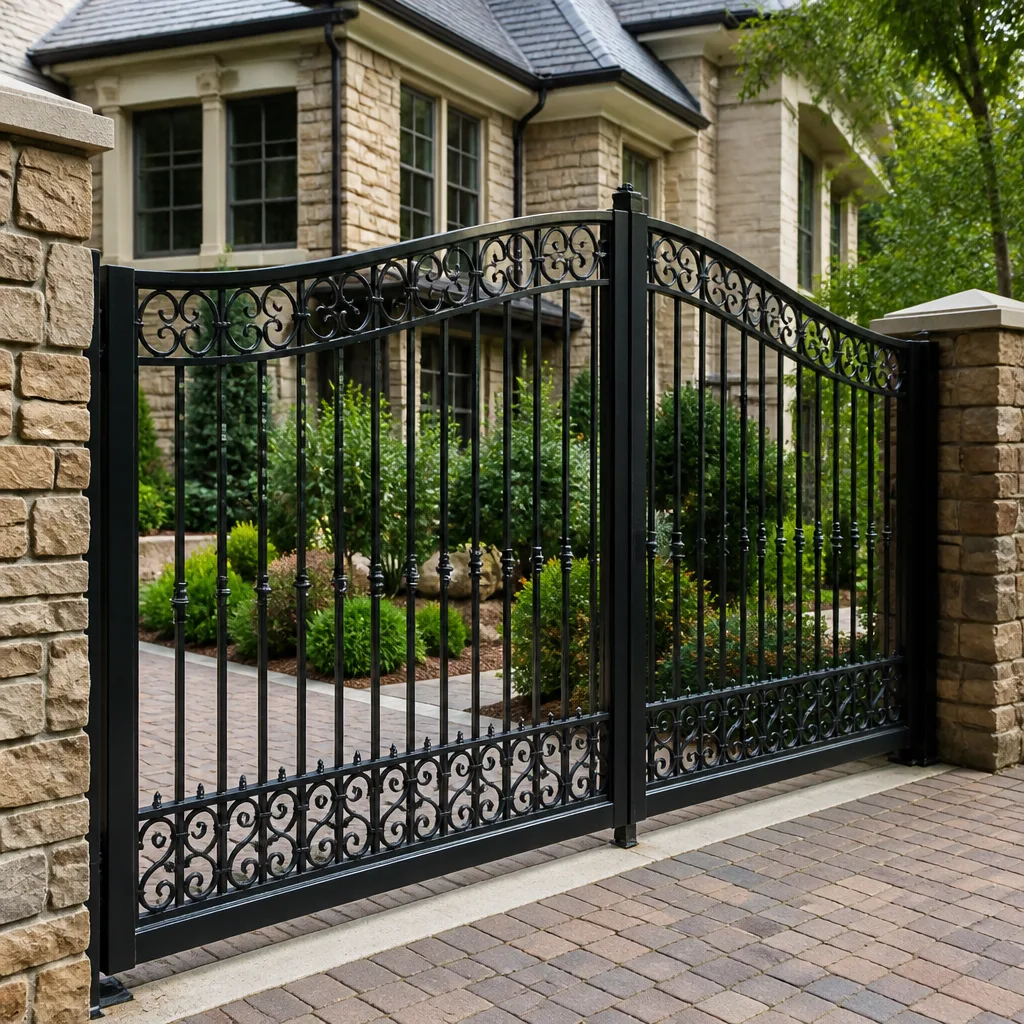 Wrought iron
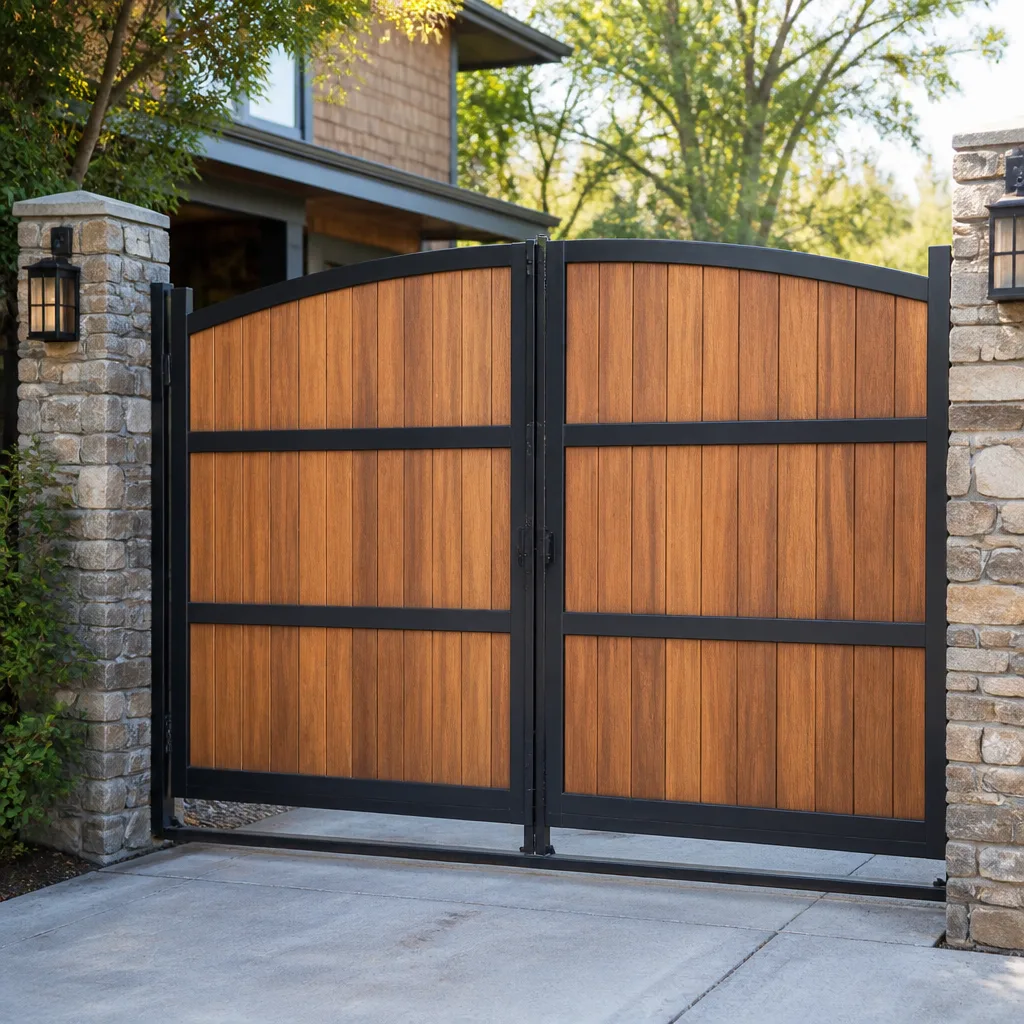 Wood & steel frame
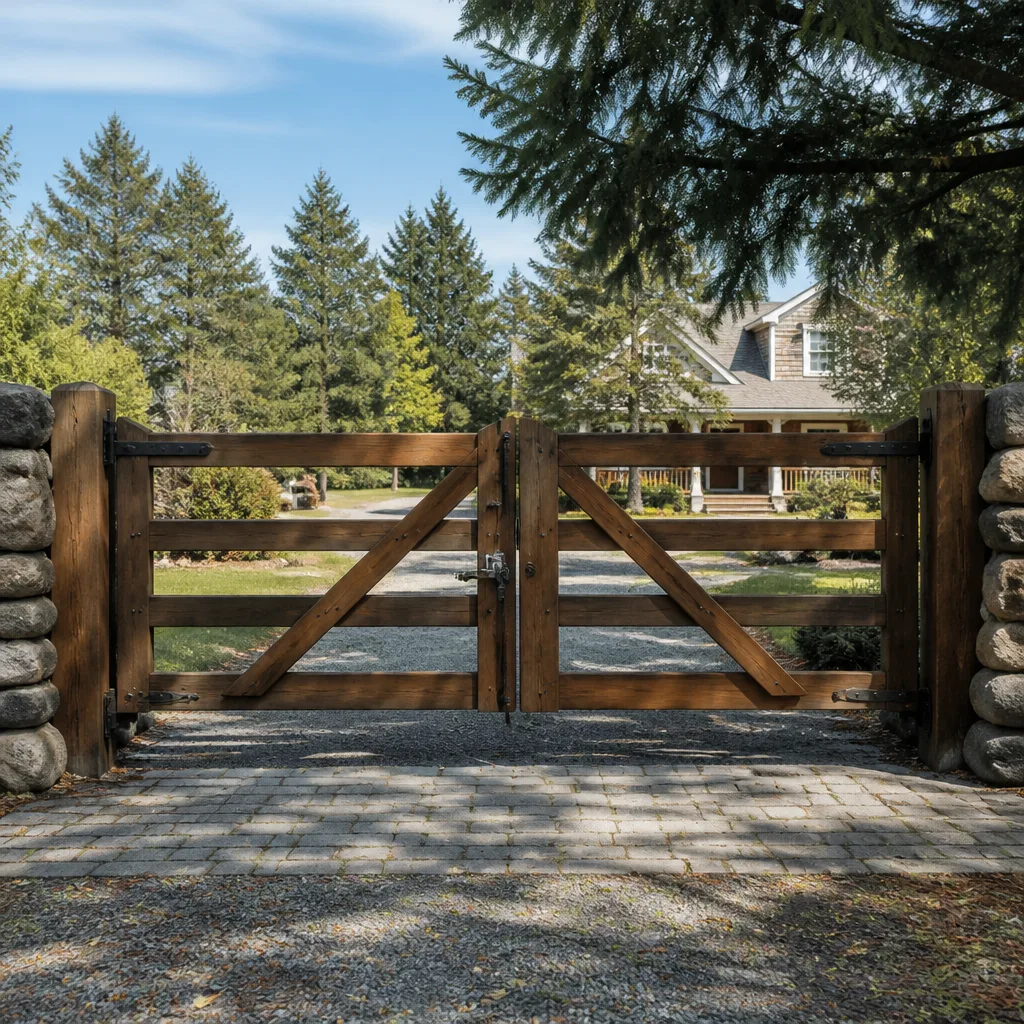 Farm & ranch
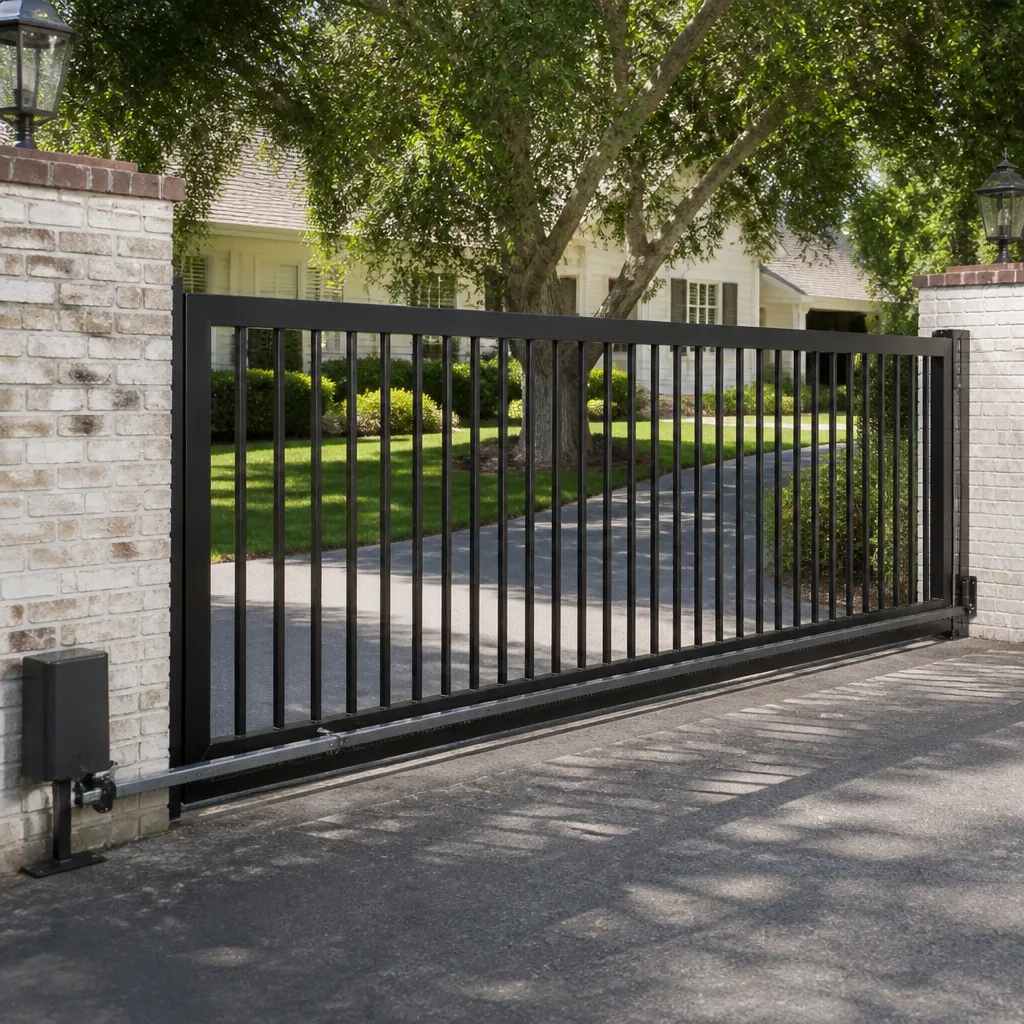 Sliding driveway gates
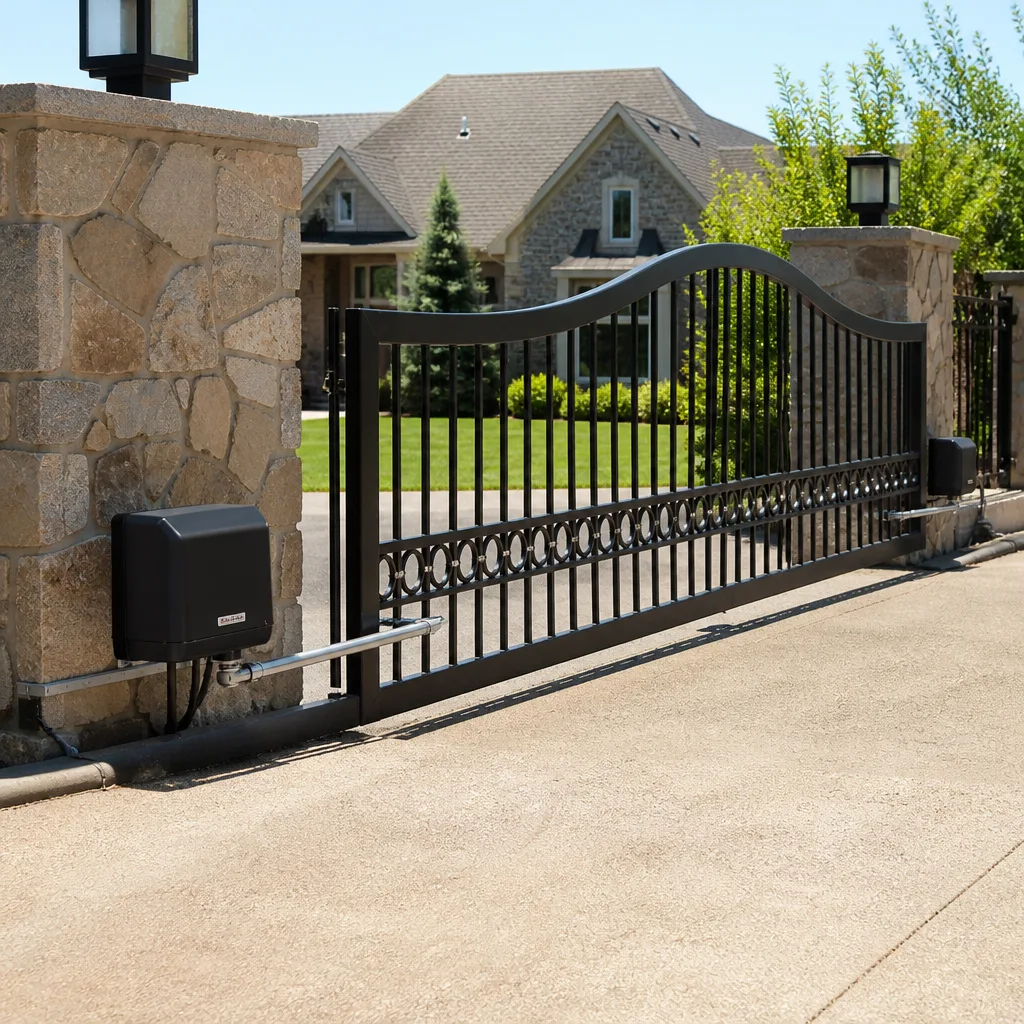 LiftMaster operators
Free on-site gate assessment - hinges, posts, and your LiftMaster or Nice gate operator checked before anything is quoted
The assessment is free and the quote is the invoice.
Get your free estimateChoosing the Right Gate Repair Brand: A Buyer’s Guide for Washington
Most buyers pick a gate operator the way they pick a smartphone: by the feature list. Swing versus slide, remote range, app control, how the unit looks on the spec sheet. Here’s the part that rarely makes the brochure – the operator you choose is only as good as the service network behind it. A brand with a great national reputation can still leave your gate stuck open for days in Washington if the nearest stocking distributor is two states away and the part is discontinued. This guide explains how to read a brand’s real service footprint, how the local climate stresses different systems, and what to ask before you commit.
Quick Answer
The right gate brand for a Washington installation is the one a local technician can diagnose, get parts for, and repair without a week-long wait. In practice that means prioritizing brands with active distributor and technician support in the DC-Maryland-Virginia market, verified performance in mid-Atlantic humidity and freeze-thaw cycles, and a parts pipeline that doesn’t dead-end at a discontinued model. Features matter, but service infrastructure is what decides how your gate behaves three winters from now.
Styles & brands we work with
- Wrought iron
- Wood & steel frame
- Farm & ranch
- Sliding driveway gates
- LiftMaster operators
Table of Contents
- Why National Reputation Doesn’t Equal Local Support
- Parts Availability by Brand in the DC Market
- How Washington’s Climate Stresses Gate Operators
- What to Ask a Contractor About Brand Support
- How Brand Choice Affects Repair Costs Over 10 Years
- Residential Brands vs. Commercial Access Control Brands
- Choosing a Brand for a New Installation
- Common Mistakes to Avoid
Why National Reputation Doesn’t Equal Local Support
Here’s the counterintuitive point this whole guide rests on: a brand can be excellent and still be a poor choice for your property. National reputation is built on product engineering and marketing reach. Local support is built on something else entirely – whether there’s a technician nearby who knows the control board, whether a distributor within driving distance stocks the operator arm or the sensor, and whether the manufacturer still produces parts for the model on your post.
When a gate stops working in Washington, the clock that matters isn’t the brand’s popularity. It’s how long the fix takes.
A well-regarded national brand with thin local distribution can leave you waiting on a part that ships from a regional depot. On a discontinued or low-volume model, that gap can realistically run five to twelve days. Meanwhile, a brand with fewer glossy ads but a reliable local parts pipeline might get you running the same day.
This is why we describe our approach as diagnosing by brand, not by trial and error. A technician who regularly works on Viking operators knows what a failing limit switch feels like on that specific unit. Someone encountering the brand for the first time is guessing. Guessing costs you time.
What “local support” actually means
- Parts on hand or nearby: control boards, operator arms, safety sensors, loop detectors that don’t require a cross-country order.
- Technician familiarity: a repair pro who can read the fault codes and wiring logic of your specific brand.
- Manufacturer responsiveness: a brand that answers technical support calls and still produces parts for the model you own.
- Service density: more than one shop in the metro area that will touch the system, so you’re not locked to a single vendor.
Before you buy, ask yourself one plain question: if this gate fails in February, who fixes it, and how fast can they get the part?
Parts Availability by Brand in the DC Market
Parts availability is the single most practical factor in brand selection, and it’s the one buyers research least. In Washington, the difference between a brand with local stock and one without shows up entirely on repair day.
We work on the brands we do – LiftMaster, FAAC, BFT, Linear, Viking, Ghost Controls, DoorKing, Elite, and Mighty Mule – because those are the systems that show up on gates across the metro and because their parts are reachable here. But “reachable” isn’t uniform. Some brands have deep local distribution and common components sitting on shelves. Others run lean, and a specific operator or board has to be ordered.
How brands tend to sort out on parts
- High-volume residential brands (common swing and slide operators) usually have the widest local parts footprint – boards, arms, sensors, and remotes are frequently stockable.
- Commercial access-control brands like DoorKing are widely used on multi-unit and gated-community entrances in Washington, and their components are generally well-supported – but the systems are more complex, so diagnosis matters as much as the part.
- Specialty and mid-tier brands can be perfectly reliable, but a single uncommon component may need ordering, which is what stretches a repair into a week.
The lesson isn’t that one brand is always better. It’s that a buyer should confirm the parts reality before committing, not discover it in the middle of a failure.
A quick way to check parts reality yourself
- Ask a local technician whether they stock or can source common parts for the brand you’re considering.
- Ask specifically about the operator arm and the control board – the two components most likely to fail or wear.
- Confirm the model isn’t near end-of-life, where parts stop being produced.
- Ask what a typical lead time looks like when a part isn’t on the shelf.
None of that costs anything, and it tells you more about your next repair than any spec sheet will.
How Washington’s Climate Stresses Gate Operators
Washington’s mid-Atlantic climate is hard on gate hardware in a way that dry-climate buyers never think about. A gate operator here lives through humid summers, freeze-thaw cycles in winter, and a spring pollen season that coats everything outdoors. Each of those stresses a different part of the system.
Humidity and electronics
Summer humidity in Washington finds its way into control enclosures. Moisture and heat are unkind to circuit boards and wiring connections, and they’re the root of a lot of intermittent faults – a gate that works in the morning and acts up by afternoon. Brands with better-sealed enclosures and cleaner board designs tend to hold up better here. It’s one reason electric gate repair in this region so often comes down to the control board.
Freeze-thaw cycles
Winter in Washington swings above and below freezing repeatedly. That’s rough on sliding gate tracks, hinges, and the mechanical linkages inside an operator. Moisture gets in, freezes, expands, and works at joints and fittings. Gates that ran smoothly in autumn can bind in January, and a binding gate puts extra load on the operator motor. A well-built operator handles it; a marginal one burns out.
Pollen and debris
Spring pollen and leaf litter clog safety sensors, limit mechanisms, and track channels. Photoelectric safety sensors are especially prone to false trips when their lenses are coated. This affects every brand, but systems with accessible, easy-to-clean sensor housings cause fewer headaches.
The takeaway for buyers: ask how a given brand performs specifically in mid-Atlantic conditions, not just how it performs in a lab. We see the difference daily across Washington, and climate durability separates the brands more than any single feature.
What to Ask a Contractor About Brand Support
The right questions before you commit to an operator brand will save you more than any comparison chart. Ask them in person and listen carefully to the answers – a technician who genuinely works on multiple brands will answer with specifics, not a sales pitch.
Here are the ones that matter most:
- “Do you regularly work on this brand, or would this be your first?” Familiarity with the control logic is the difference between a fast fix and a fishing expedition.
- “What’s the parts availability like locally?” You want an honest answer about what’s stockable and what has to be ordered.
- “Is this model current, or near end-of-life?” A discontinued model means future repairs wait on scarce parts.
- “How do you diagnose a fault on this system?” Brand-familiar technicians can usually tell you what codes and symptoms to expect.
- “Who handles the power run and the safety edges?” Electric gate work involves line voltage and safety sensors – confirm the scope up front.
- “What happens if this specific part fails?” A good answer names the component and a realistic timeframe.
One more thing worth asking: “Do you work only on gates, or is this a side service?” A gate-only specialist has the parts knowledge and troubleshooting experience a general contractor simply doesn’t build up. Our single-trade focus is deliberate for exactly this reason – every job we book is a gate job.
If you’d rather start with a conversation than a commitment, gate repair begins with a free estimate and a written price before any work starts. Call (888) 260-4909. We answer 24/7. Fast dispatch from 7am to 7pm, Sunday through Friday.
How Brand Choice Affects Repair Costs Over 10 Years
Purchase price is the number everyone compares and the one that matters least over the life of a gate. Over a 10-year ownership horizon, the brand you choose determines how often you repair, how much each repair costs, and how long you wait when something fails. A slightly more expensive operator with strong local support frequently costs less to own than a cheaper one that strands you on parts.
Here’s how the math tends to work in Washington:
- A brand with local parts: repairs resolve quickly, common components are affordable, and the system ages predictably.
- A brand with thin local support: repairs stall on shipping, rarer parts cost more, and one discontinued component can force a premature replacement instead of a fix.
- Mismatch between operator and gate: an undersized operator on a heavy gate wears out faster, and that cost repeats every few years.
The 10-year view rewards buyers who research the service network, not just the feature list. It’s also the reason our own service covers the full lifecycle – repair, electric-system repair, and new installation – so you’re not switching vendors as the system ages. We work on the brand you already have rather than steering you toward a single manufacturer.
One honest note on pricing: we don’t publish per-job numbers because every gate is different, and a written estimate sets the final price. What we can promise is that the price is quoted and agreed before any work starts, and the estimate itself is free.
Residential Brands vs. Commercial Access Control Brands
One of the most useful distinctions in gate brand selection is residential versus commercial access control, and it maps directly onto how your property is used. Picking the wrong category is a common and expensive mistake in Washington, where single-family properties and multi-unit or commercial entrances sit close together.
Residential operators
These are built for a driveway gate on a home. Brands like Ghost Controls and Mighty Mule are typical residential names – designed for homeowner use, with straightforward controls and safety features. They’re well suited to lighter, lower-traffic gates, and their simpler electronics often mean simpler repairs.
Commercial and access control systems
These are built for higher traffic and tighter control – apartment communities, commercial properties, gated entrances. DoorKing is a familiar name in this space, and these systems incorporate loop detectors, access-control components, and more elaborate safety logic. They’re more complex, which is exactly why a technician familiar with the brand matters.
The mistake is putting a light residential operator on a heavy or high-traffic gate, or overpaying for commercial-rated equipment on a single-family driveway. Match the system to the load and the traffic, then choose a brand with local support in that category.
How to decide which category you need
- Estimate daily cycles – how many times the gate opens and closes in a day.
- Weigh the gate itself – a heavier panel or longer slide gate needs a heavier-duty operator.
- Decide what access control you need – keypads, loop detectors, intercom, remote-only.
- Choose a brand with local support in that category, then confirm parts.
Choosing a Brand for a New Installation
For a new installation, the brand decision should follow the same logic as a repair decision: pick the system the local service network can sustain, then match its capabilities to your gate and your property. New installations are measured, ordered, and scheduled – this is design work, not an emergency call. That’s a good thing, because it gives you time to get the brand right.
We handle full gate installation and work across nine brands, so the conversation starts with your gate and your needs, not with whichever manufacturer we’re pushing. Design and installation to spec runs on the same knowledge base that repairs do – which is precisely why a design built around a locally supportable brand ages well.
What a full installation involves
- A site assessment of the gate, the posts, and the approach.
- Operator selection matched to gate weight, swing or slide configuration, and daily cycle count.
- Power and wiring planning – an electric gate runs on line voltage, and that part deserves a licensed electrician where local rules require it; ask your city’s building department about permits.
- Safety edges and sensors sized and positioned to the gate’s movement.
- Access control – remotes, keypads, loop detectors as needed.
- A written estimate before any work starts.
Because we cover both repair and installation, the brand that gets installed is the brand that gets serviced by the same team going forward. That continuity is worth more than a marginal feature. For new installations we skip the same-day promises – this is measured, ordered, and scheduled work, and a free measure and written price comes first.
If your system is already in place and you’re weighing repair versus replacement, electric gate repair is where most of these decisions actually land.
Common Mistakes to Avoid
These are the patterns we see most often when buyers choose a gate brand. Each one is avoidable with a few questions before you commit.
- Buying on feature list alone. Swing speed and app control are nice, but they don’t tell you anything about how your gate behaves when it breaks in a Washington freeze-thaw winter. Check the service network first.
- Ignoring local parts availability. A brand you can’t source parts for locally turns a two-hour repair into a two-week outage. Confirm the parts pipeline before you buy.
- Putting a light residential operator on a heavy gate. Undersized operators wear out early and cost you a replacement sooner than you planned. Match the operator to the load.
- Choosing a near-end-of-life model. Discontinued models strand you on parts. Ask whether the model is current before committing.
- Skipping the safety questions. Safety edges, sensors, and the power run aren’t optional add-ons. Ask who handles them and how they’re specified.
- Assuming national fame means local help. A brand with big-name advertising can still leave you waiting on a depot order in the DC metro. Validate local support directly.
- No written estimate. Never start a gate project without a written price agreed in advance. If the scope isn’t in writing, the quote isn’t real.
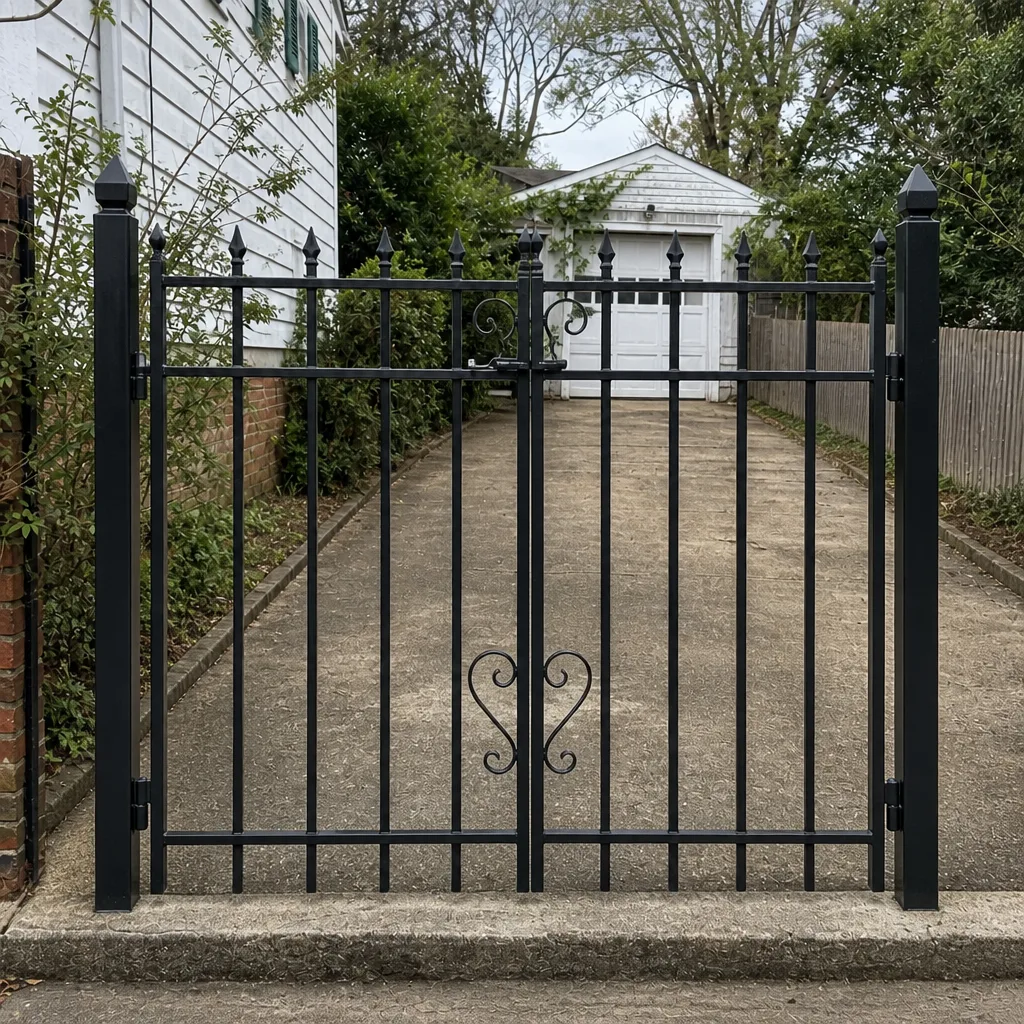
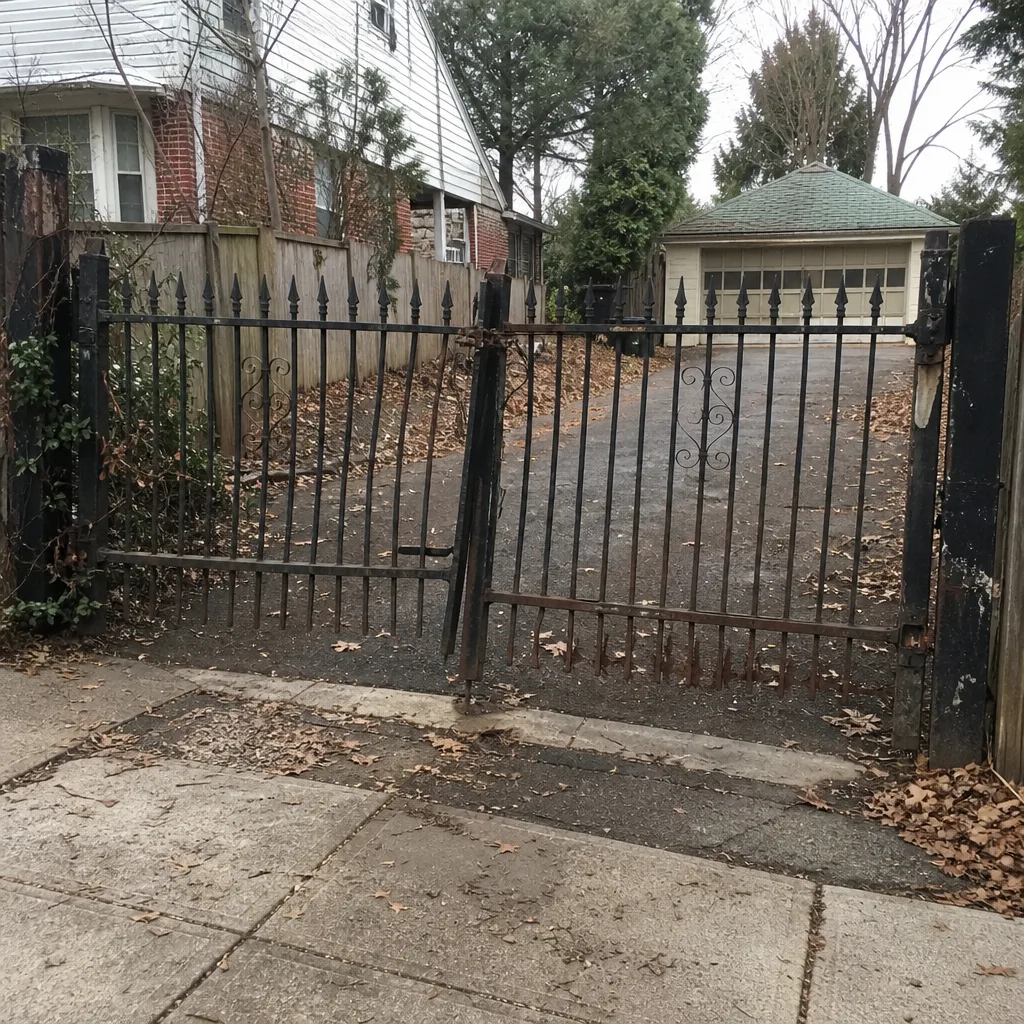
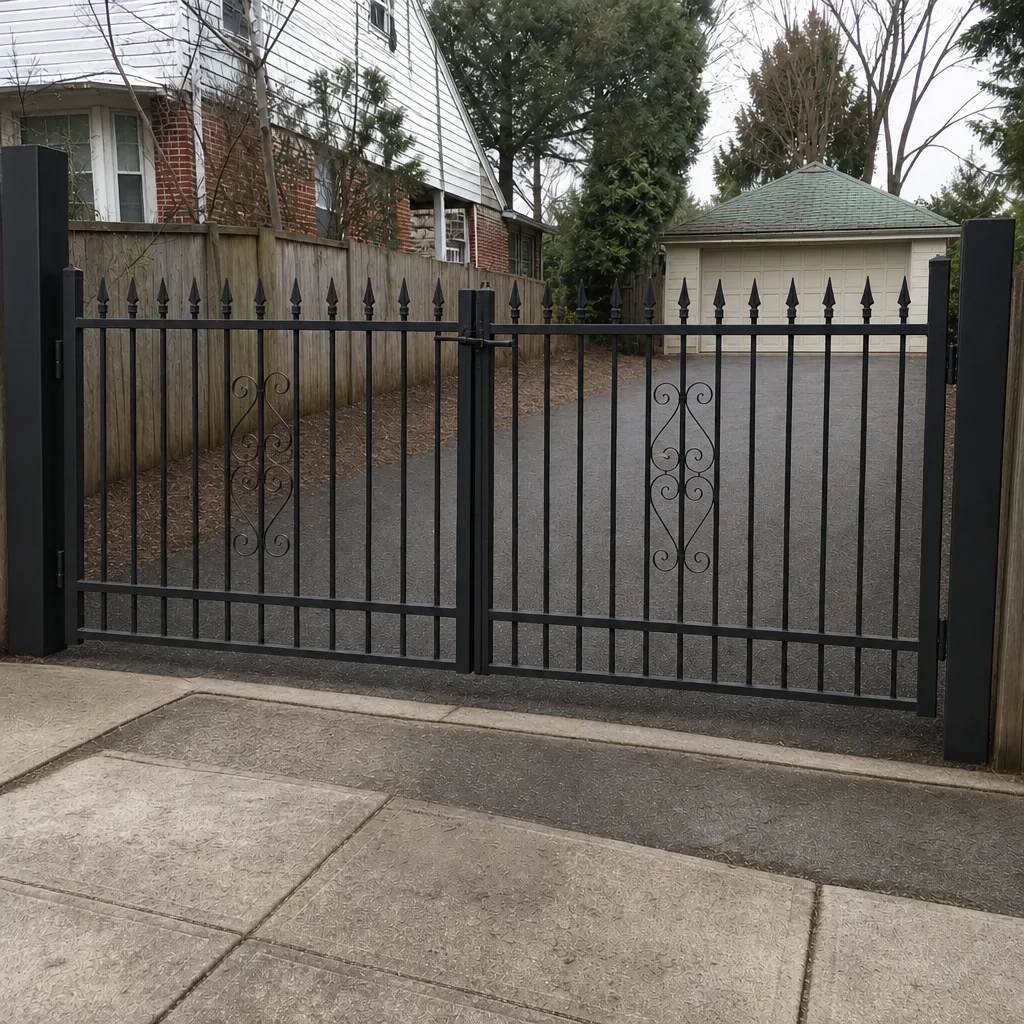
See the difference
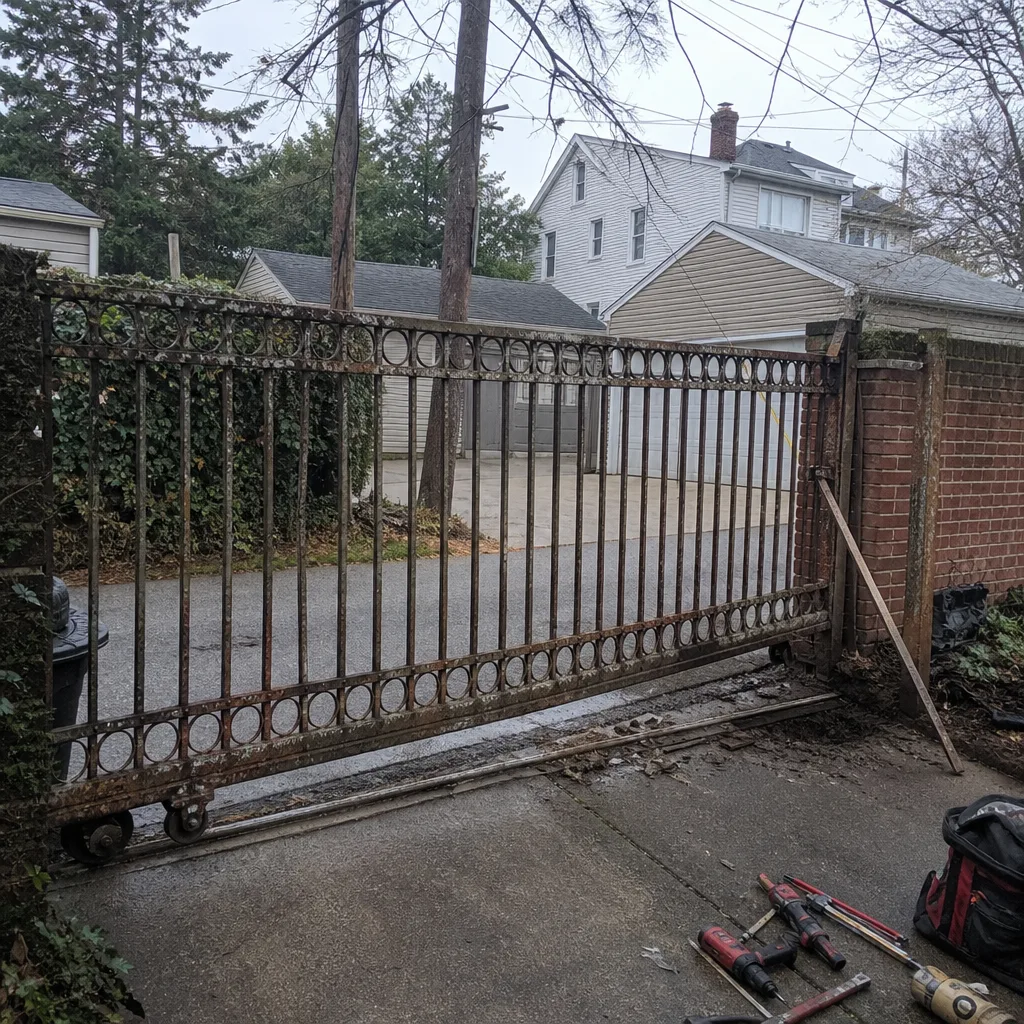 Before
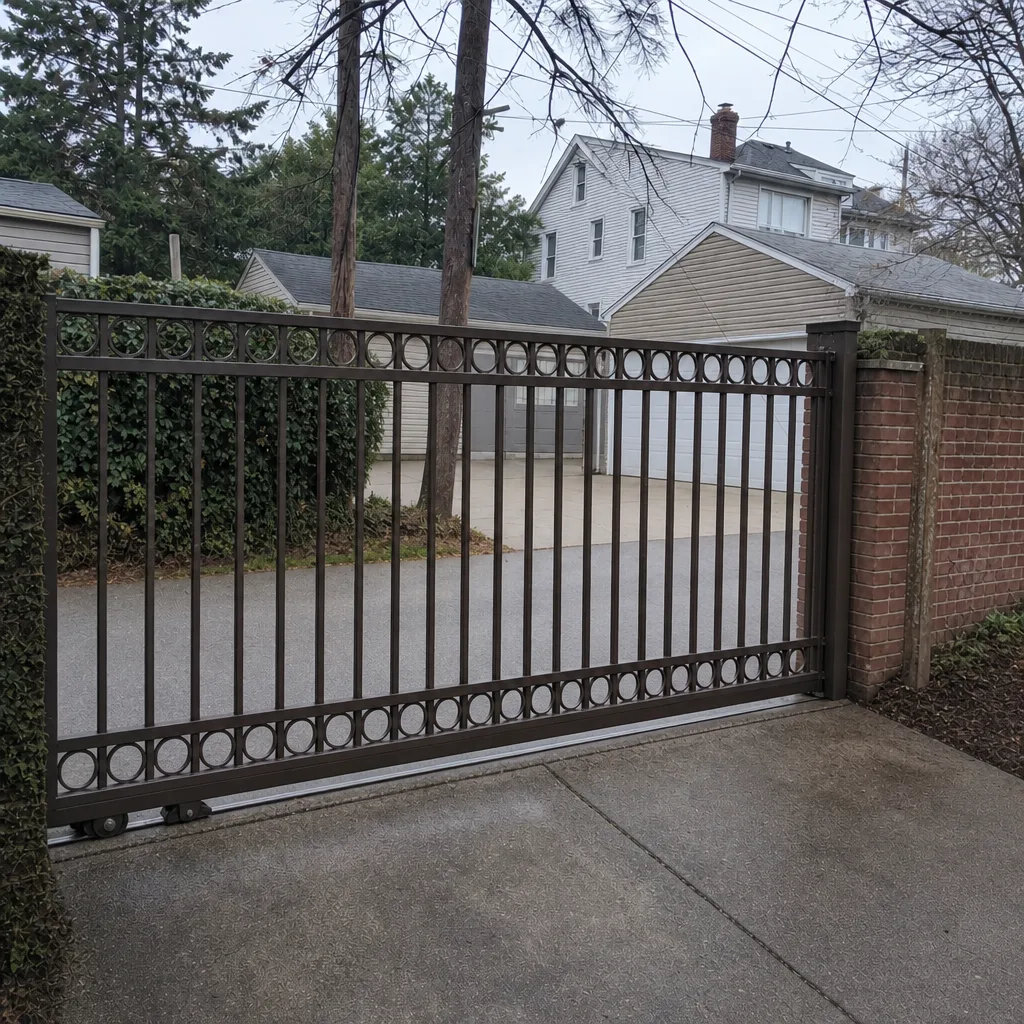 After
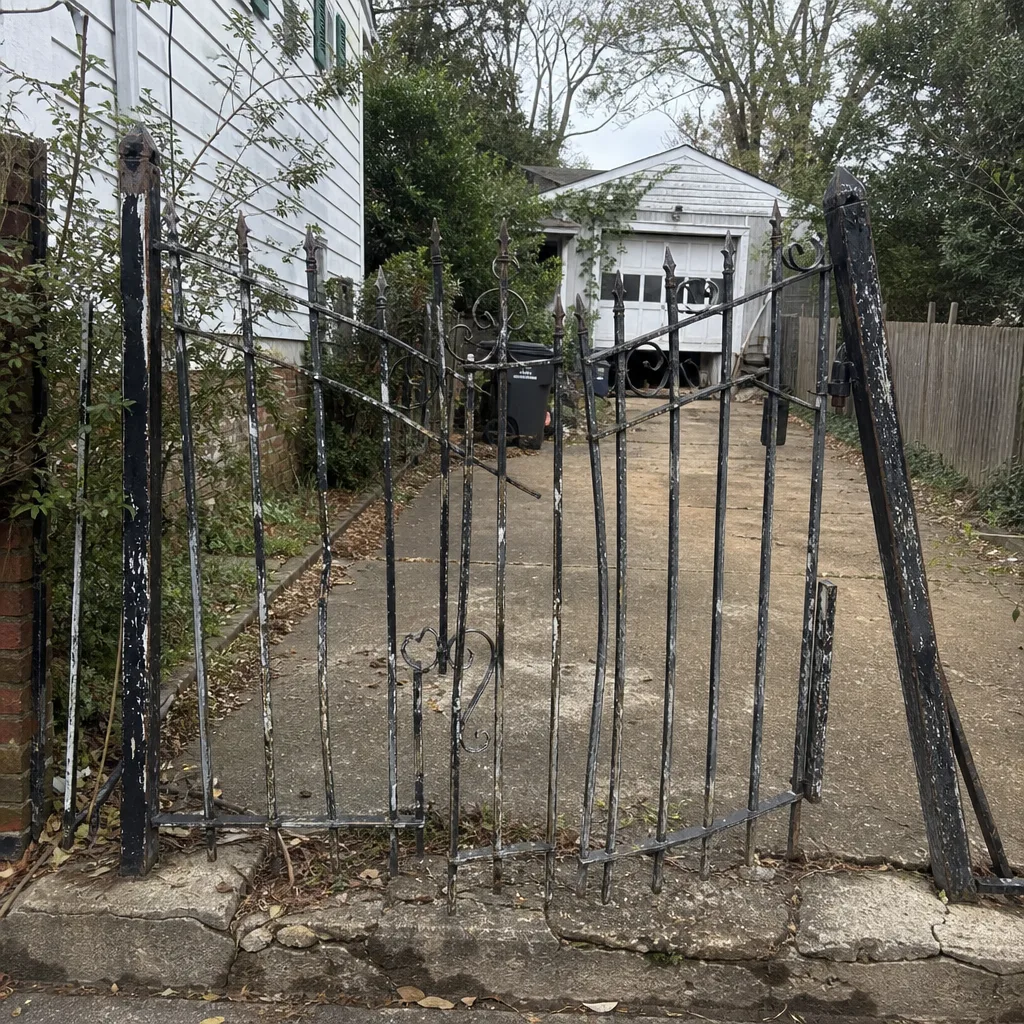 Before
 After
 Before
 After
When to Call a Professional
Some gate problems are cosmetic; most aren’t. Call a professional when an automated gate stops responding to its remote or keypad, when it opens partway and reverses, when the operator runs but the gate doesn’t move, or when a safety sensor trips for no visible reason. Any of those point to the operator, the control board, or the sensor wiring – and electric gate systems carry real risk. A gate’s electric operator runs on line voltage, and a heavy gate panel or a slide gate off its track can injure someone. This isn’t a job to improvise. Sensor faults, control board failures, and power problems call for a trained technician who works on your brand routinely. Gate Repair Washington offers free estimates in Washington – call (888) 260-4909 for a written price before any work starts. Estimates are free. We answer 24/7, with fast dispatch from 7am to 7pm, Sunday through Friday.
Frequently Asked Questions
The best brand for Washington is the one with strong local parts availability, verified performance in mid-Atlantic humidity and freeze-thaw cycles, and a technician nearby who works on it routinely. There’s no single universal winner – a residential operator that suits a home driveway isn’t the right system for a commercial entrance, and vice versa. Confirm parts support in the DC metro before committing, then match the operator to your gate’s weight and traffic. Call (888) 260-4909 for an exact quote – estimates are free.
It depends entirely on the brand and the model. Common components on high-volume brands are frequently available locally and can be replaced quickly. Rarer parts, or parts for discontinued or low-volume models, may need to be ordered and can realistically run five to twelve days. That’s the single strongest reason to check parts availability before you buy. Call (888) 260-4909 and we’ll tell you what to expect for the brand you already own.
Often, yes. Commercial and access-control systems like DoorKing are built for higher traffic and tighter control, while residential brands like Ghost Controls are designed for lower-traffic home driveways. The systems differ in duty rating and complexity, and the repairs differ too. Match the category to the traffic and load first, then choose a brand with local support in that category. Call (888) 260-4909 for an exact quote on your property.
Yes, more than most buyers expect. Washington’s summer humidity stresses control boards and wiring, freeze-thaw cycles work on tracks and mechanical linkages, and spring pollen clogs sensors. Brands with better-sealed electronics and cleaner board designs handle these conditions better over time. Ask a technician how a given brand performs specifically in mid-Atlantic conditions rather than relying on lab specs. Call (888) 260-4909 – estimates are free.
We work on nine major gate brands – LiftMaster, FAAC, BFT, Linear, Viking, Ghost Controls, DoorKing, Elite, and Mighty Mule. We’re independent and brand-agnostic, so we work on the system you already have rather than steering you toward one manufacturer. That range covers the most common residential and commercial operators in the Washington market. Our technicians have up to experience. Call (888) 260-4909 for an exact quote.
Often yes, particularly when the fault is on a brand we know well and the part is available locally. Same-day service is available for many repairs. For brand-new installations and access-control work, the work is measured, ordered, and scheduled rather than same-day. Call (888) 260-4909. We answer 24/7, with fast dispatch from 7am to 7pm, Sunday through Friday.
The Bottom Line
Choosing a gate brand in Washington isn’t a feature-list decision. It’s a service-infrastructure decision. The operator that serves you best is the one a local technician can diagnose quickly, source parts for, and repair without a week-long wait – and that judgment starts with parts availability in the DC market, holds up under mid-Atlantic humidity and freeze-thaw winters, and pays off over a 10-year ownership horizon. Before you commit to any brand, ask about local parts, technician familiarity, and whether the model is current. Then get a written estimate. Gate Repair Washington works on the brand you already have across nine major brands, with free estimates and a written price before any work starts. Call (888) 260-4909. We answer 24/7. Fast dispatch from 7am to 7pm, Sunday through Friday. See how we handle gate work across Washington and start from Gate Repair Washington.
Written by the team at Gate Repair Washington.