
Last updated November 15, 2026
 Wrought iron
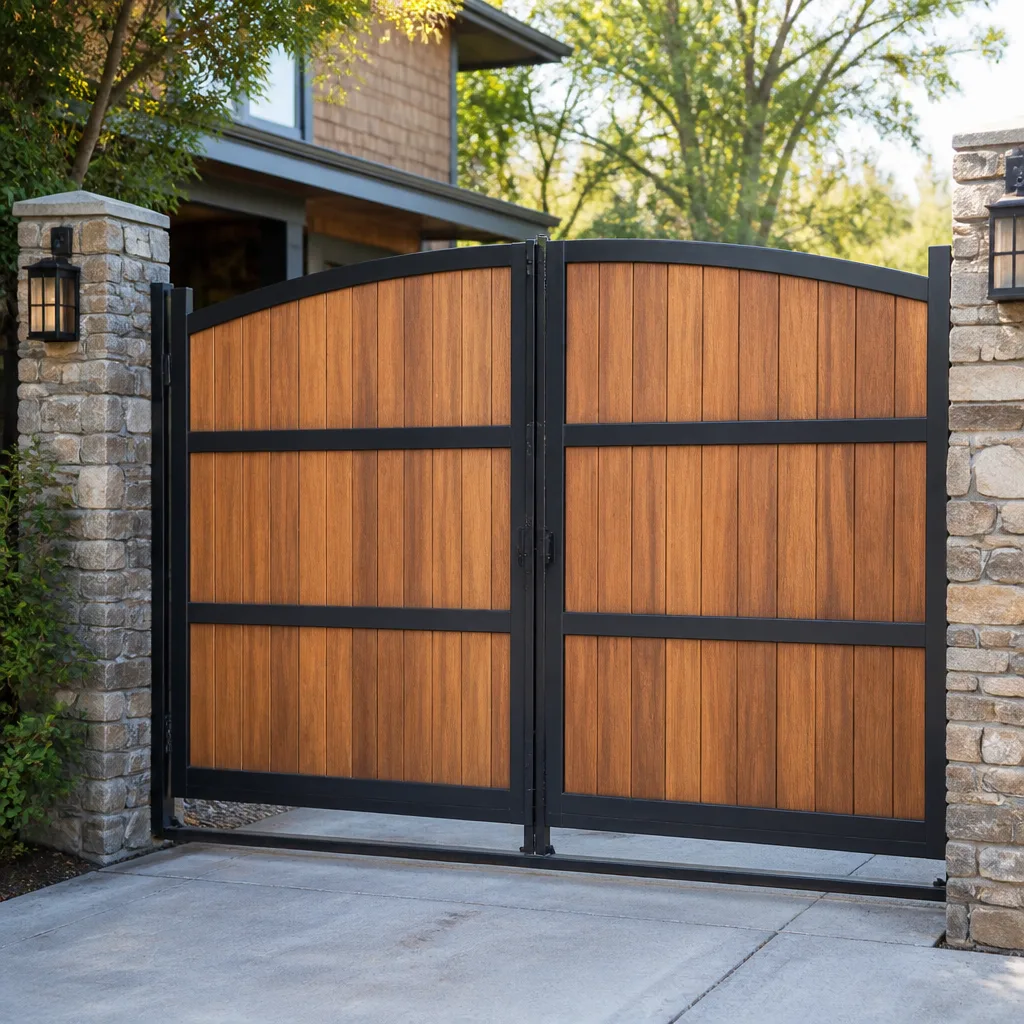 Wood & steel frame
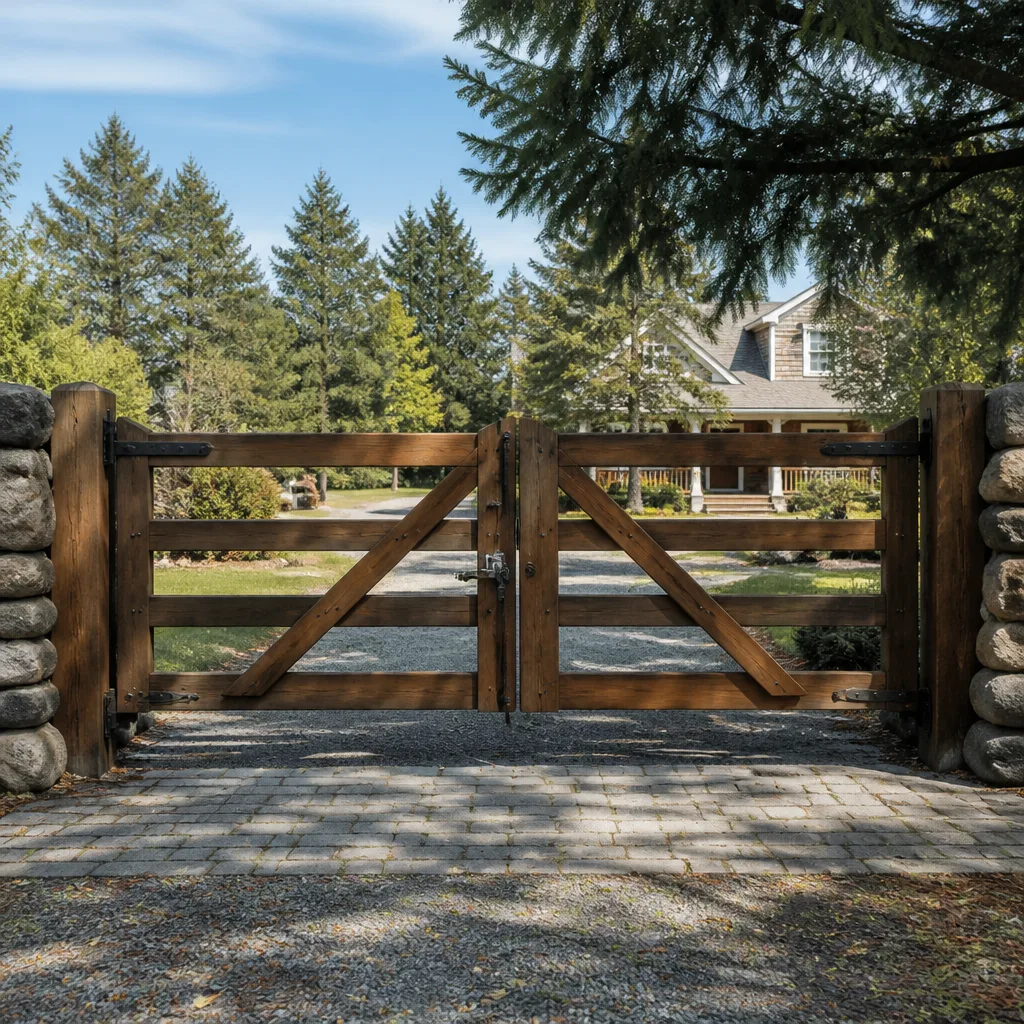 Farm & ranch
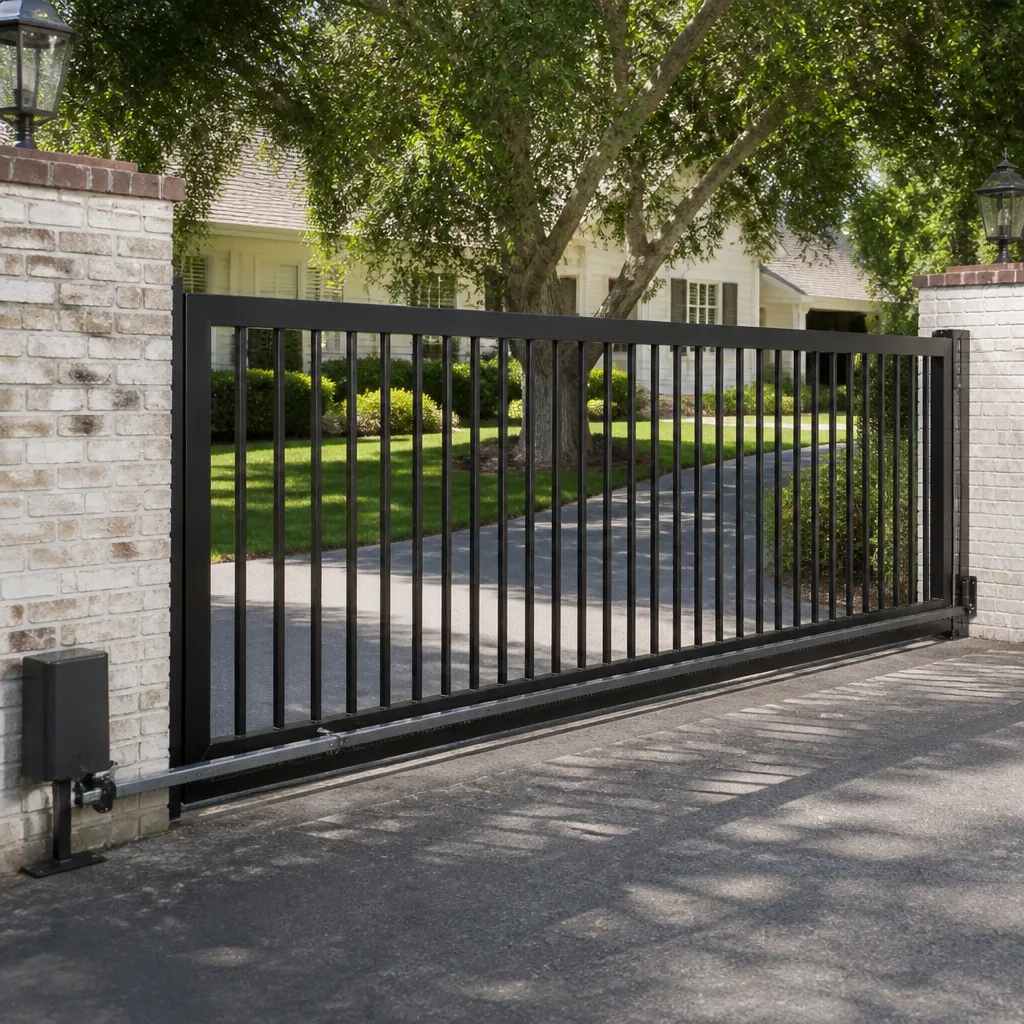 Sliding driveway gates
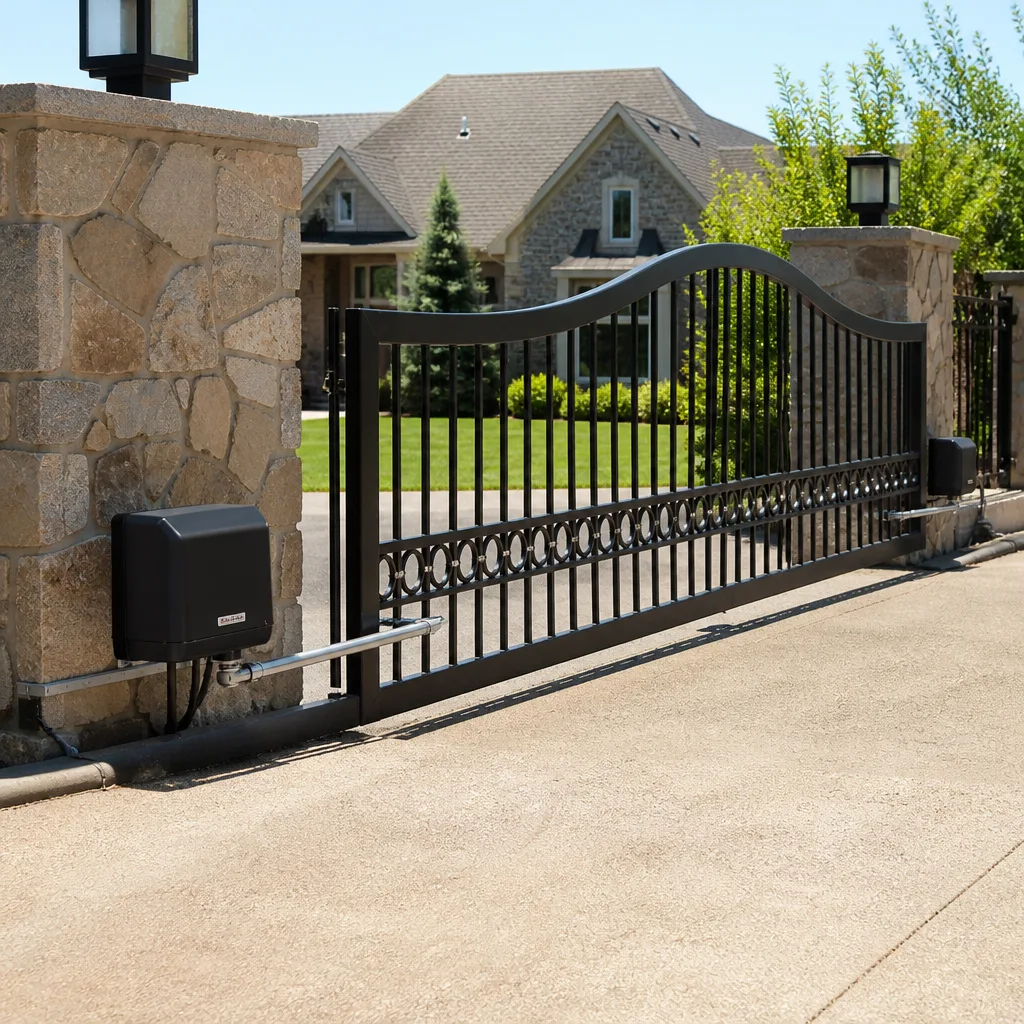 LiftMaster operators
Free on-site gate assessment - hinges, posts, and your LiftMaster or Nice gate operator checked before anything is quoted
The assessment is free and the quote is the invoice.
Get your free estimateSeasonal Gate Repair Care for Washington: Year-Round Homeowner’s Guide
Winter gets blamed for most gate failures, but here in Washington, August humidity causes more operator board failures than any freeze event. That’s the part most homeowners miss. By the time a gate won’t open in January, the problem often started in July, when damp air worked its way into control board connections and no one noticed. This guide walks through what each Washington season actually does to your gate system, which part is under pressure right now, and how a short quarterly walk-through can catch a developing problem before it turns into a service call. You’ll learn the specific seasonal threats, the parts they attack, and when to call a specialist.
Quick Answer
Gate care in Washington is seasonal because each season stresses a different subsystem: summer humidity attacks operator control boards and connections, fall debris clogs tracks and rollers, winter cold undermines battery backup and stiffens lubricants, and spring thaw is the right window for post and alignment checks. A 15-minute quarterly walk-through timed to these shifts catches most developing problems early and keeps a manual or automated gate working across all four seasons.
Styles & brands we work with
- Wrought iron
- Wood & steel frame
- Farm & ranch
- Sliding driveway gates
- LiftMaster operators
Table of Contents
- Why Seasonal Care Matters More in Washington
- Summer: Humidity and Your Operator’s Control Board
- Fall: Debris, Tracks, and the Failures You’ll Blame on Winter
- Winter: Cold, Battery Backup, and Stiff Components
- Spring: Post-Thaw Alignment Checks
- The 15-Minute Quarterly Walk-Through
- Manual vs. Automated Gates: Different Seasonal Priorities
- How Brand Affects Seasonal Wear
Why Seasonal Care Matters More in Washington
Washington sits in a climate that swings hard between humid summers and cold winters, and both extremes land on the same gate hardware. A gate that lives through a damp July and a freezing January experiences two different kinds of stress in the same year. That’s why a fix-it-when-it-breaks approach tends to cost more here than a calendar-based one.
Most gate owners think about their gate twice: when it’s installed and when it stops working. The problem is that between those two points, four seasonal cycles have been quietly working on different parts. Summer pushes moisture into electrical connections. Fall stacks leaves and grit into tracks. Winter tests every battery and stiffens every pivot. Spring reveals what the previous three seasons did.
Homeowners across Washington deal with this whether they have a driveway gate in a leafy residential block or a security gate at a small commercial property. The mechanics differ, but the seasonal rhythm is the same. Once you know which subsystem each season targets, you can look at the right part at the right time instead of guessing.
This is the core idea behind everything below: match your inspection to the season, and you intervene before a repair call becomes necessary. Skip that match and you end up paying to fix something that a five-minute check would have caught.
Summer: Humidity and Your Operator’s Control Board
Summer in Washington means sustained humidity, and humidity is the quiet enemy of every automated gate operator. When the air stays damp for weeks, moisture collects on control board surfaces and works into the low-voltage connections where the operator meets its sensors, keypads, and safety edges. Those connections corrode slowly. The gate keeps working, so nobody looks. Then one day it doesn’t.
This is where we see the gap between what homeowners expect and what actually fails. People brace for winter and assume summer is the easy season. In our experience on automated systems, the operator electronics are under more sustained pressure in a humid Washington August than in a dry cold snap. Control boards, loop detectors, and access-control wiring all sit in that moisture zone.
What to inspect in summer
- Operator enclosure: Check that the housing seals are intact and that no water is pooling inside or around the cabinet base.
- Control board connections: Look for any whitish or greenish residue on terminals, which signals corrosion starting at the connection point.
- Low-voltage wiring at sensors and keypads: Confirm connections are tight and dry, especially where wire enters a post or housing.
- Safety edges and loop detectors: Test that they still trigger a reversal correctly; humid conditions can affect sensitive components.
- Drainage around the operator: Make sure the ground near the housing sheds water rather than holding it against the cabinet.
If you run a LiftMaster or FAAC automated system, the control board and its connections are the first place to look when a gate starts behaving inconsistently in humid weather. Intermittent opening, phantom reversing, or a remote that works some days and not others can all trace back to moisture at a connection rather than a failed component. Diagnosing by brand matters here, because different operators route and seal their electronics differently.
For anything involving the operator’s board, wiring, or power, this is a job for a trained technician. Control boards carry live voltage and a misdiagnosed connection can damage the board or create a shock hazard. A summer inspection of the electrical side is worth scheduling with someone who works on these systems as their only trade.
Fall: Debris, Tracks, and the Failures You’ll Blame on Winter
Fall is when most of the winter failures actually get set up. Leaves, twigs, seed pods, and grit blow into sliding gate tracks and roller assemblies and pack down over weeks. By the time the first hard freeze arrives, that debris has become a stiff, compacted mass that the gate drags through every cycle. When the gate finally jams in cold weather, the cold gets blamed. The debris got there in October.
This is a useful thing to understand because it changes what you do about it. If you think winter broke your gate, you wait for a repair. If you know fall debris caused it, you clear the track before the freeze and skip the repair entirely.
What to inspect in fall
- Sliding gate track: Clear leaves and grit from the full length of the track, not just where the gate sits when open.
- Roller assemblies: Check that rollers turn freely and aren’t packed with debris that will harden in the cold.
- Guide posts and catches: Make sure the gate still seats correctly and nothing has drifted out of line.
- Around the operator housing: Keep leaves from piling against the cabinet, where they hold moisture through the wetter months.
- Manual swing gate pivots and hinges: Clear debris from the hinge area so it doesn’t work into the pivot over winter.
Our team works on a lot of BFT and Mighty Mule systems, and in both cases fall track maintenance buys you the most. A clean track going into winter means the operator isn’t fighting debris and cold at the same time. That combination is what burns out operators and motors early. Clear the track in fall and you take one of those two loads off the system.
Debris-related jams on a heavy sliding gate can also be a safety issue, because a gate that binds can come off its track under load. If your gate has started jumping or scraping, treat it as more than a nuisance and get it checked before winter.
Winter: Cold, Battery Backup, and Stiff Components
Winter in Washington is where battery backup systems start to show their limits. Automated operators often rely on a backup battery to keep working through a power loss or to hold position during a cycle. Cold temperatures reduce a battery’s ability to deliver current, and once it’s cold enough, a battery that tested fine in fall can no longer carry the load. When a gate stops mid-cycle on a cold morning, a weakening backup battery is one of the first things a technician checks.
The specific threshold depends on the battery type, its age, and how the operator is set up, so we don’t rely on a single number. What matters is the pattern: a battery that’s near the end of its life will fail in cold weather first, often months before it would fail in warm conditions. If your gate only acts up on the coldest mornings, that’s a strong signal to have the backup system tested.
What to inspect in winter
- Battery backup: Have the backup battery load-tested before deep cold settles in, and replace it if it’s near the end of its service life.
- Lubricants: Cold stiffens grease and oil; check that moving parts still operate smoothly and that no pivot has gone sluggish.
- Weather seals on the operator housing: Confirm seals are still flexible and keeping cold air and moisture out of the electronics.
- Manual gate pivots and latches: Make sure nothing has frozen solid or seized, which puts stress on hinges and the gate frame.
- Snow and ice clearance: Keep the gate’s travel path clear so the operator isn’t forcing the gate through packed ice.
Never force a frozen gate. If a gate won’t move, pushing it free can bend the frame, strip a gear in the operator, or damage the track. Call a technician, and if there’s any question about the electrical side of an automated system, keep hands off the wiring entirely. Live voltage and cold hands don’t mix.
If your gate does fail on a cold morning, call (888) 260-4909. We answer 24/7, and fast dispatch from 7am to 7pm, Sunday through Friday, gets a technician to a failed gate quickly. We’re closed Saturday, so a Saturday failure gets booked into the next opening.
Spring: Post-Thaw Alignment Checks
Spring is the right time for alignment checks, and this is where a lot of homeowners get their timing backward. The common instinct is to check alignment in fall, before the freeze, so everything is “set” for winter. But the freeze is what moves things. Ground heave from freeze-thaw cycles, settling soil, and the expansion and contraction of a season’s worth of temperature swings all happen through winter. Checking alignment in fall tells you the gate was straight before the ground moved. Checking in spring tells you what the winter actually did.
After the thaw, a gate that was perfectly aligned in November can be out of square, dragging on one side, or sitting slightly higher or lower in its footing. That misalignment is what produces the scraping, sticking, and uneven operation people notice in early spring.
What to inspect in spring
- Post alignment: Check that gate posts are still plumb and that hinges or track brackets haven’t shifted with the ground.
- Gate square and clearance: Confirm the gate still sits square in its opening and clears the ground evenly across its full width.
- Roller and track alignment (sliding gates): Make sure the gate runs level and doesn’t lift or drop along the track.
- Operator limit settings: Verify the open and close limits still match the gate’s actual travel after any settling.
- Safety edge and sensor function: Re-test that the gate reverses correctly, since alignment drift can affect how sensors read the gate’s position.
A gate that’s out of alignment puts constant extra load on the operator, which shortens the life of motors and gear assemblies. Catching it in spring, before the gate runs a full season misaligned, is cheaper than fixing the operator later. If you notice the gate scraping, hesitating, or running unevenly after winter, that’s the signal to have it looked at.
The 15-Minute Quarterly Walk-Through
A 15-minute walk-through, done four times a year and timed to the seasons above, catches the large majority of developing gate problems early. The point isn’t to fix anything yourself, especially on the electrical side. The point is to notice change, because gates rarely fail out of nowhere. They fail after weeks of a small problem getting worse.
Here’s the walk-through, in order. Do it once in each season.
- Walk the full travel path (3 minutes). Look for debris in the track or under a swing gate, check that nothing is obstructing the gate’s travel, and clear leaves and grit.
- Operate the gate and listen (3 minutes). Open and close it and listen for scraping, grinding, or hesitation. A gate that sounds different than it did three months ago is telling you something.
- Check alignment and clearance (3 minutes). Confirm the gate sits square, clears the ground evenly, and isn’t dragging on one side.
- Inspect the operator and connections (3 minutes). Look at the housing for water intrusion, check that connections are tight and dry, and look for corrosion residue on terminals. Don’t open or probe live electrical parts; just observe.
- Test safety devices (2 minutes). Confirm safety edges and sensors still trigger a reversal, and that the manual release works if the gate has one.
- Note anything that changed (1 minute). Write down what you noticed. A note from three months ago is what tells you whether a small issue is getting worse.
That’s the whole thing. Fifteen minutes, four times a year, and you’ll spot most developing problems while they’re still cheap. For anything you flag on the electrical side, operator, control board, or wiring, call a technician rather than investigating further. If you’d rather have a specialist run the walk-through, gate repair visits are set up to check the whole system, not just the part that’s already broken.
Manual vs. Automated Gates: Different Seasonal Priorities
Manual and automated gates share the seasonal rhythm but not the same weak points, so the walk-through should be weighted differently depending on what you have.
On a manual gate, the seasonal stress lands on the frame, hinges, pivots, and latch. Winter cold and summer humidity both work on the pivot points. Fall debris and spring ground movement affect alignment. A manual gate rarely has electronics to worry about, so the focus stays on mechanical smoothness and alignment.
On an automated gate, everything a manual gate has plus the whole electrical side: operator, control board, loop detectors, sensors, and access-control components. Summer humidity attacks the connections, winter cold tests the battery backup, and spring alignment drift can throw off the limits and sensor readings. That’s why automated gates benefit most from the electrical inspection steps in the walk-through.
If your automated gate is down, this is the scenario our team handles as a core service. Electric gate repair covers the operators, control boards, loop detectors, and access-control wiring that a general handy service won’t touch. We work on the brand you already have, whether that’s a LiftMaster, FAAC, BFT, or Mighty Mule system, and we diagnose by brand logic rather than trial and error.
How Brand Affects Seasonal Wear
Different operators and gate systems wear differently through the seasons, which is why brand familiarity matters when something goes wrong. A technician who knows how a given brand seals its electronics, routes its wiring, and sets its limits can tell you which seasonal weak point to watch before it fails.
We’re trained and experienced on the gate brands that make up most of the residential and commercial systems in Washington, including LiftMaster, FAAC, BFT, Linear, Viking, Ghost Controls, DoorKing, Elite, and Mighty Mule. Our technicians have up to experience, and they work across manual and automated systems as a single trade. That’s the difference between a general contractor who does gates on the side and a gate-only specialist. The seasonal checks above apply to every brand, but knowing the brand tells you where to look first.
If you’ve had a technician guess at a diagnosis before, you know the value of the brand-first approach. It shortens the path from “the gate isn’t working” to “here’s the part that’s failing and why this season pushed it.”
Common Mistakes to Avoid
- Blaming cold weather for a failure that started in fall. When a gate jams in January, the debris that packed the track in October is often the real cause. Clear the track before the freeze and you’ll prevent most of these.
- Skipping the summer electrical check. Washington humidity works on control board connections for weeks before a symptom shows. Assuming summer is the easy season means missing the season that causes the most operator board failures.
- Checking gate alignment in fall instead of spring. Winter freeze-thaw is what actually moves posts and grounds the gate. Checking in fall confirms the gate is fine before the problem happens; checking in spring catches what the winter did.
- Forcing a frozen or jammed gate. Pushing a stuck gate free can bend the frame, strip an operator gear, or damage the track. A gate that won’t move should be left alone and looked at by a technician.
- Ignoring a battery backup because the gate still runs. A backup battery that’s near the end of its life keeps working until the cold finds it. A gate that only fails on the coldest mornings is telling you the battery needs testing.
- Letting a generalist “take a look” at the operator. Control boards, wiring, and access-control components are a specialist’s work, and a misdiagnosis can damage the board. Gate electrical work belongs with someone who does it as their only trade.
- Replacing a gate part before checking alignment and debris. Many “broken” gates are actually misaligned or dragging through debris. Checking the simple mechanical causes first prevents unnecessary parts replacement.
See the difference
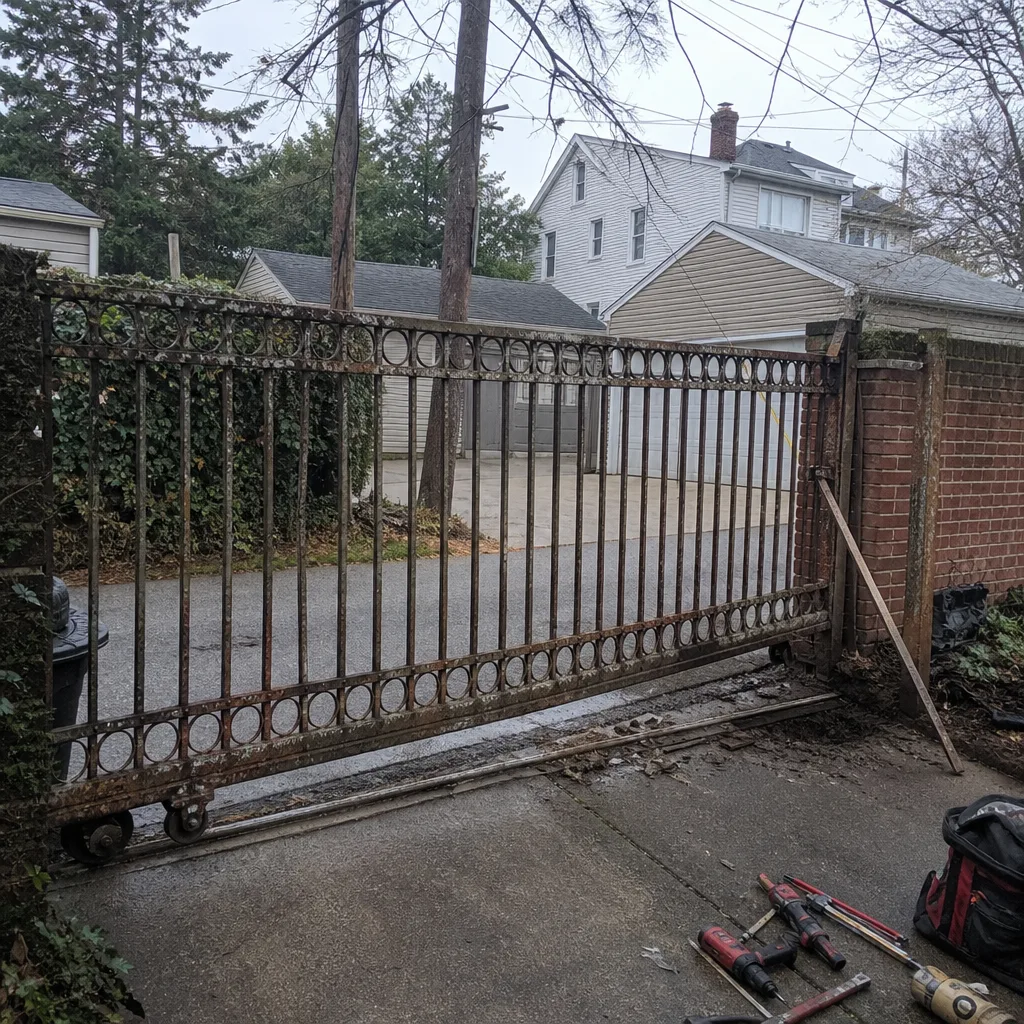 Before
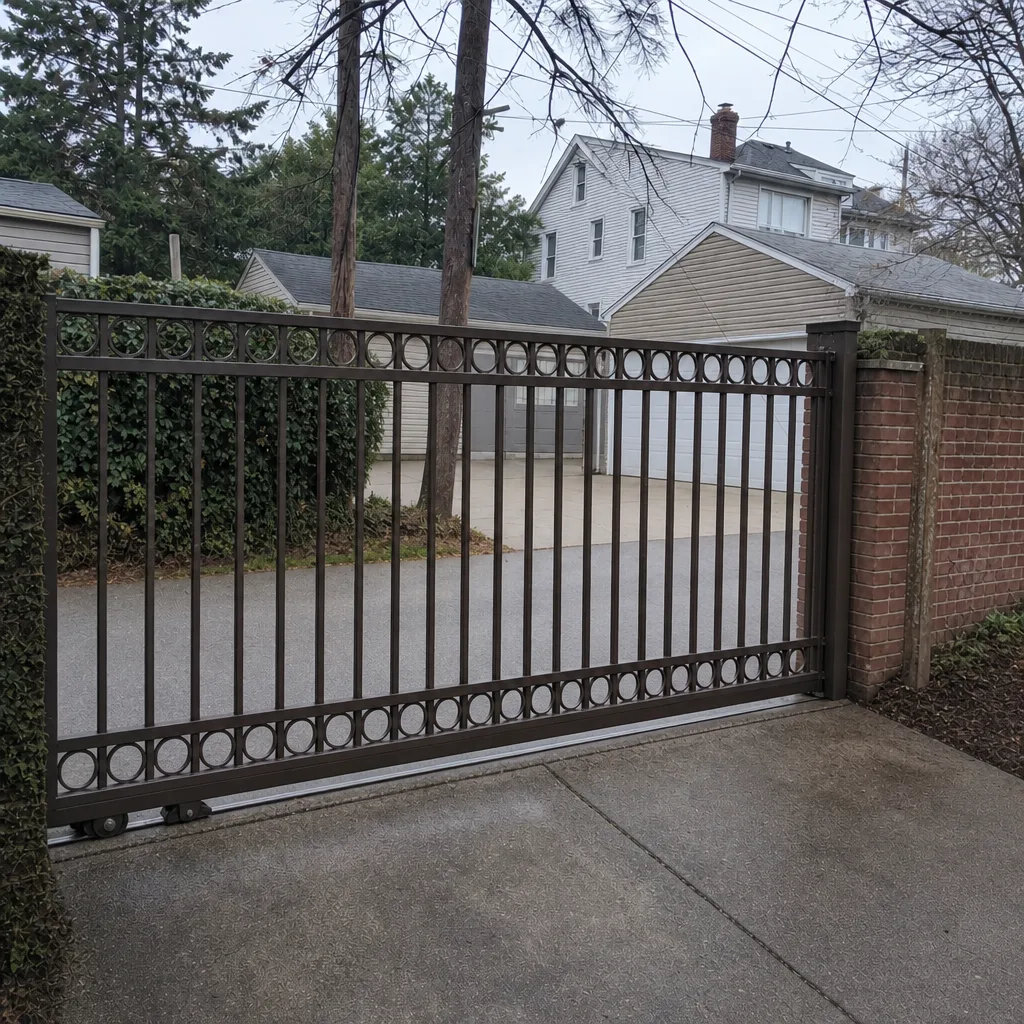 After
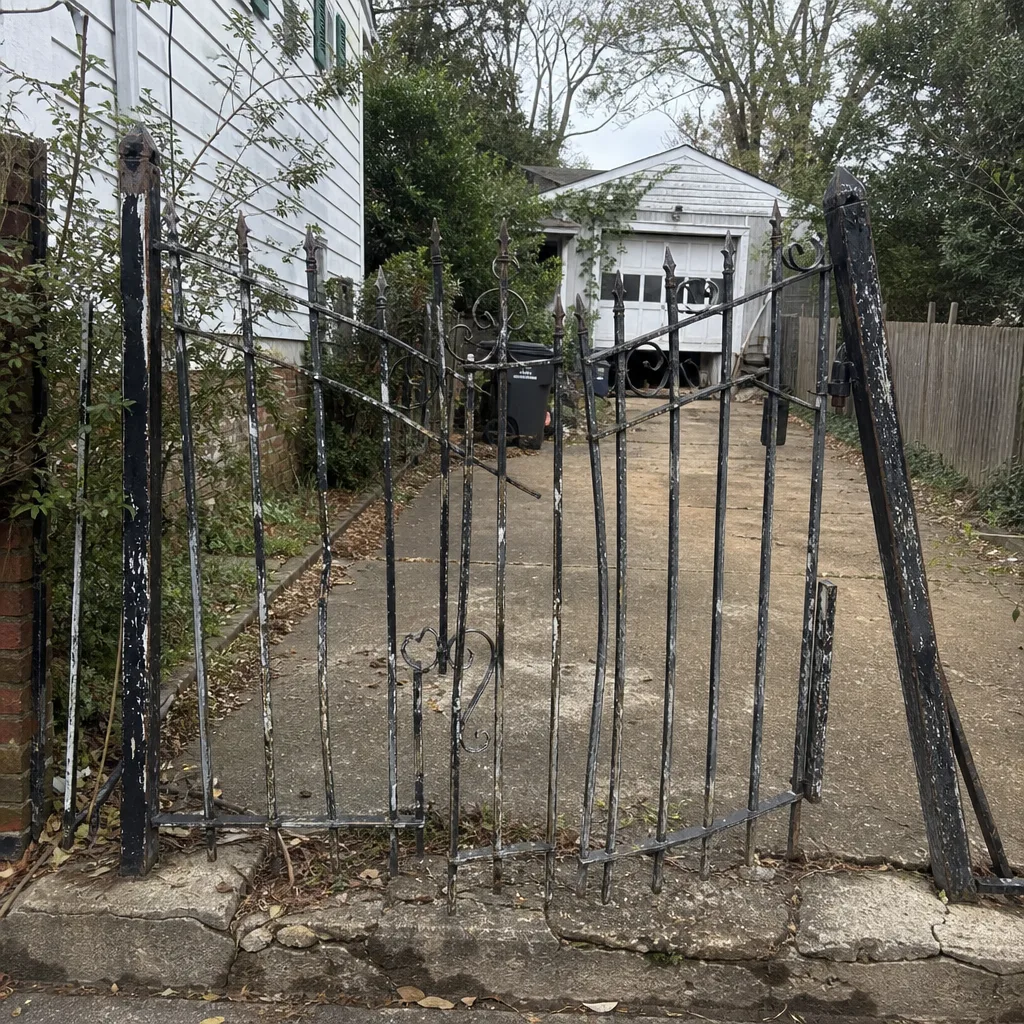 Before
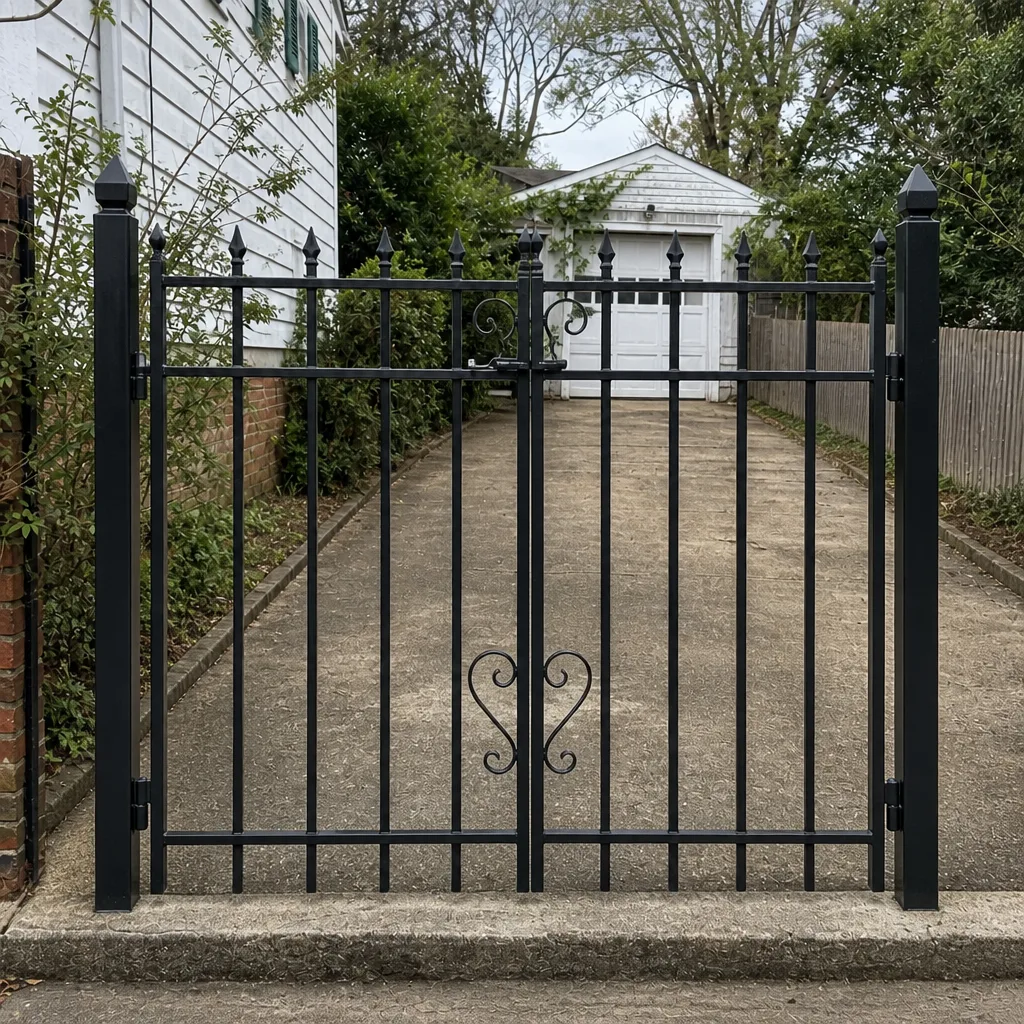 After
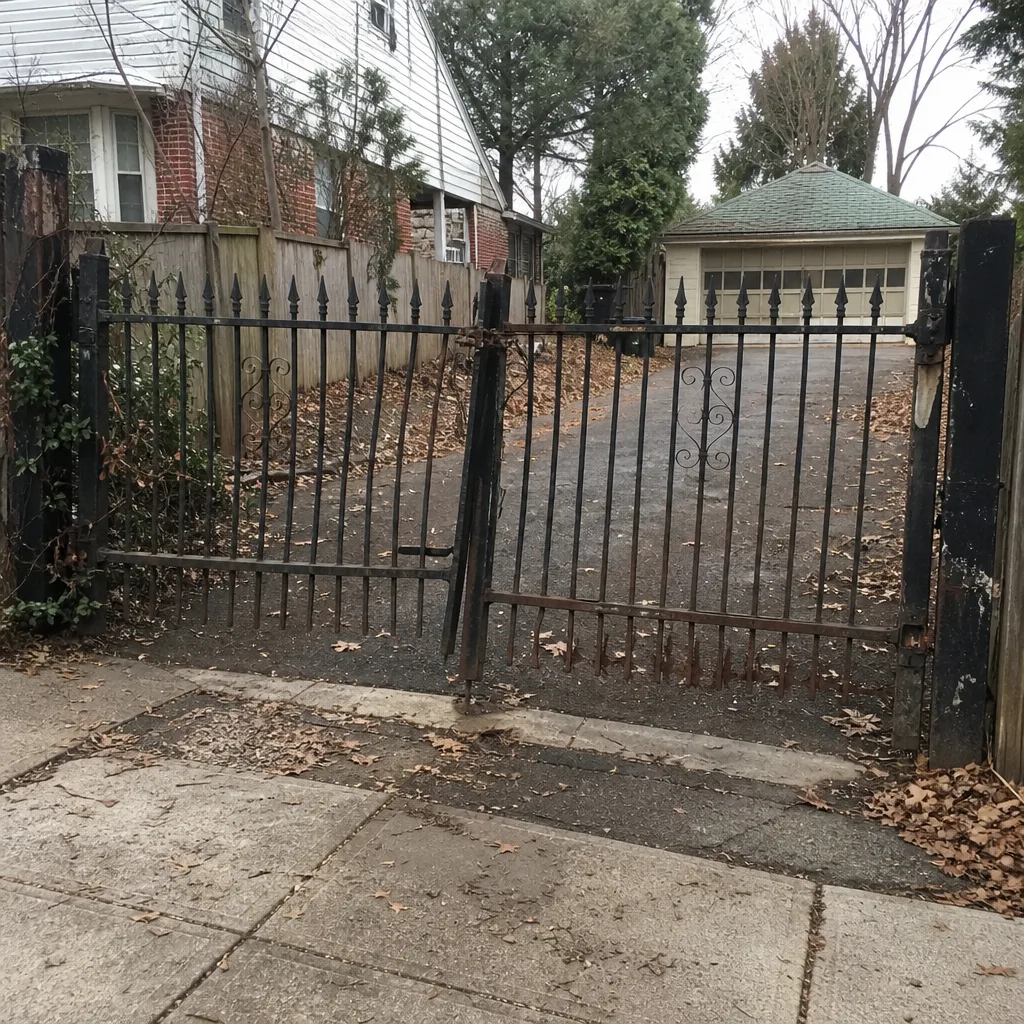 Before
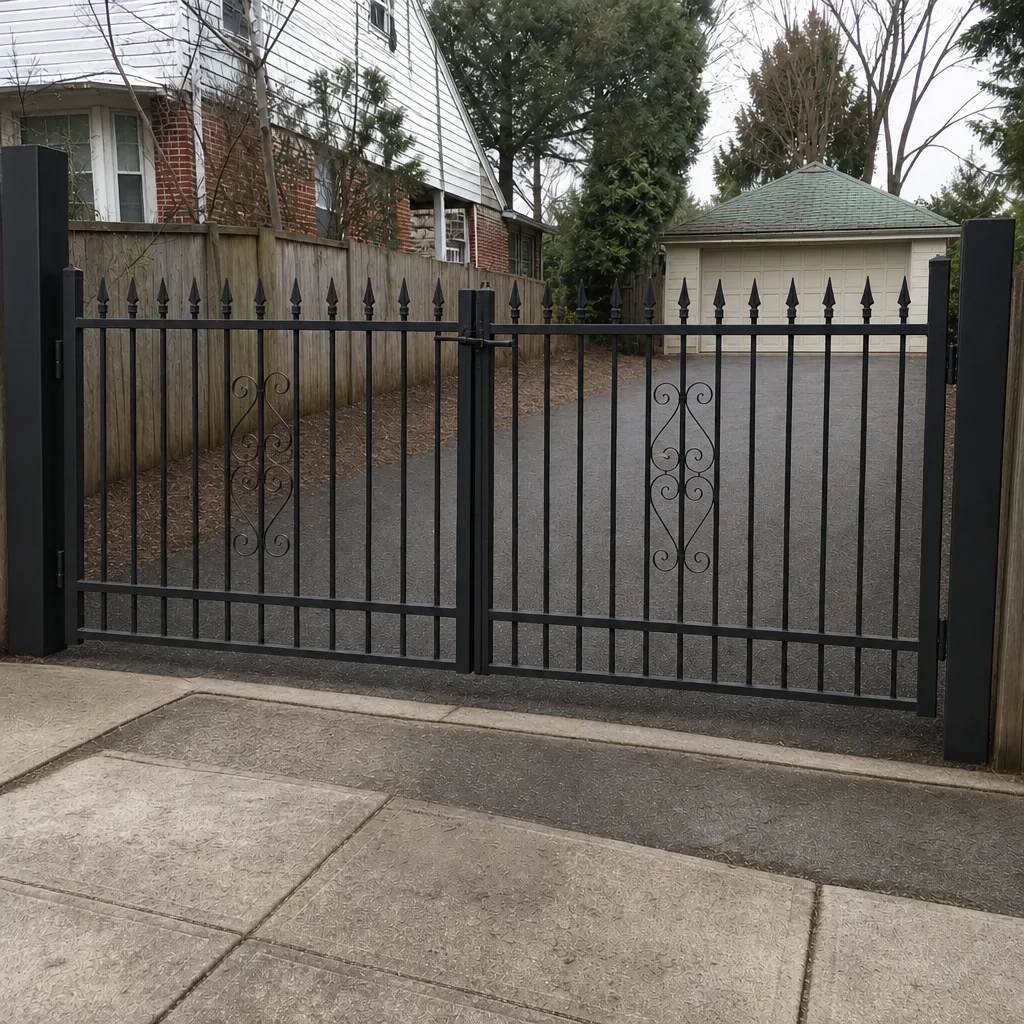 After
When to Call a Professional
Some gate issues are walk-through items. Others need a technician. Call a professional when the operator, control board, wiring, or safety edges are involved, when the gate won’t move or has come off its track, when it behaves inconsistently in a way you can’t trace, or when you’ve cleared the debris and checked the obvious alignment and the gate still drags or hesitates. Any safety issue on a heavy gate, such as a sliding gate starting to jump the track or a swing gate with a failing pivot, is a call-a-pro scenario, not a watch-and-see one.
Gate Repair Washington offers free estimates in Washington. Repair work is where fast response matters, and we answer 24/7 with fast dispatch from 7am to 7pm, Sunday through Friday. Call (888) 260-4909 and tell us the brand and what the gate is doing. If the work is a new installation rather than a repair, we’ll set up a free measure and a written price instead of a same-day visit, because installation is measured, ordered, and scheduled. Either way, the price is quoted and agreed before any work starts.
Frequently Asked Questions
Summer humidity causes the most operator board failures in Washington, more than any freeze event. Sustained damp air works into control board connections and low-voltage wiring over weeks, and the gate keeps running until a connection fails. Winter gets blamed for failures that summer and fall set up.
Inspect your gate once each season, ideally with a 15-minute walk-through. Four checks a year, timed to the seasonal weak points, catch most developing problems early. The walk-through covers the travel path, operation and sound, alignment, the operator connections, and the safety devices.
A gate that only fails on the coldest mornings is usually showing a weakening backup battery or a component affected by cold. Cold temperatures reduce a battery’s ability to deliver current, so a backup that tested fine in fall can fail once it’s truly cold. That pattern is the signal to have the backup system load-tested.
Check alignment in spring, after the thaw. Freeze-thaw cycles and ground movement through winter are what actually move posts and throw a gate out of square. A fall check tells you the gate was straight before the ground moved; a spring check tells you what the winter did.
You can visually inspect the exterior for water intrusion and corrosion residue, but don’t open or probe the control board or wiring yourself. Control boards carry live voltage and a misdiagnosed connection can damage the board or create a shock hazard. Leave the electrical side to a technician. Call (888) 260-4909 for a free estimate on operator and control board work.
Yes, we work on the brand you already have. We’re trained and experienced on LiftMaster, FAAC, BFT, Linear, Viking, Ghost Controls, DoorKing, Elite, and Mighty Mule, and we diagnose by brand rather than trial and error. Call (888) 260-4909 with the brand and what the gate is doing, and we’ll set up a free estimate.
The Bottom Line
Gate care in Washington works best when it follows the seasons instead of reacting to failures. Summer humidity attacks operator control boards, fall debris sets up the winter failures people blame on cold, winter tests every battery backup, and spring is the right window for alignment checks after the ground moves. A 15-minute quarterly walk-through, timed to those shifts, catches most developing problems before they become repairs. When the operator, wiring, or safety edges are involved, hand it to a gate-only technician. Gate Repair Washington covers manual repair, electric gate repair, and full installation. Call (888) 260-4909 for a free estimate. We answer 24/7. Fast dispatch from 7am to 7pm, Sunday through Friday.
Written by the team at Gate Repair Washington.