
Last updated November 15, 2026
 Wrought iron
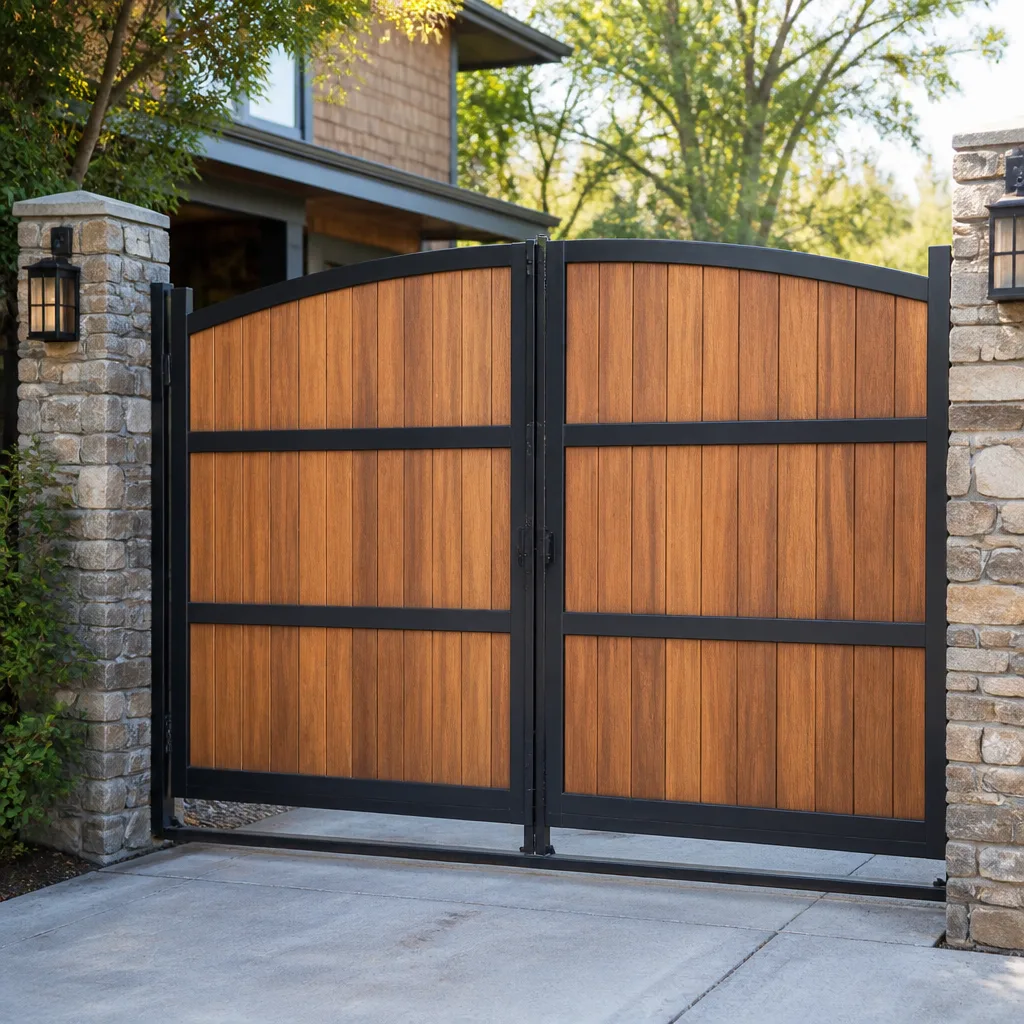 Wood & steel frame
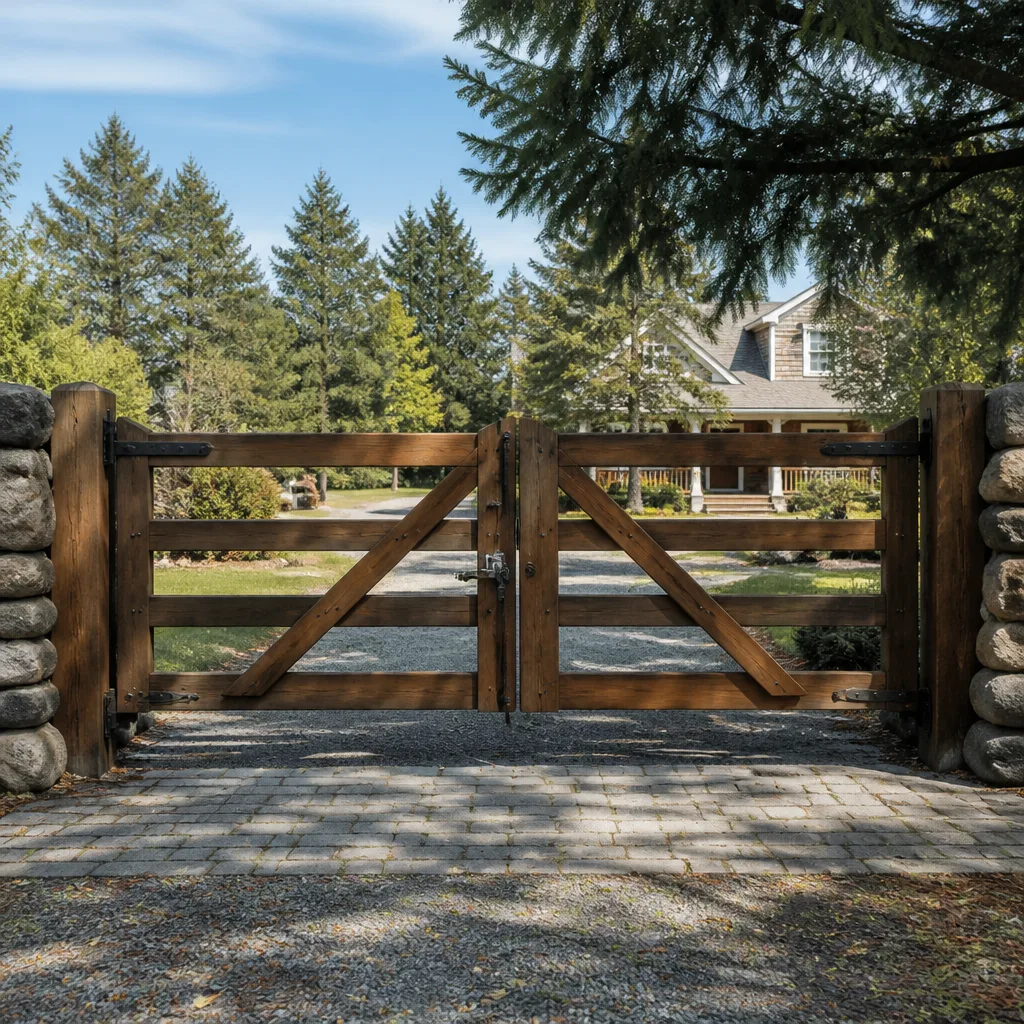 Farm & ranch
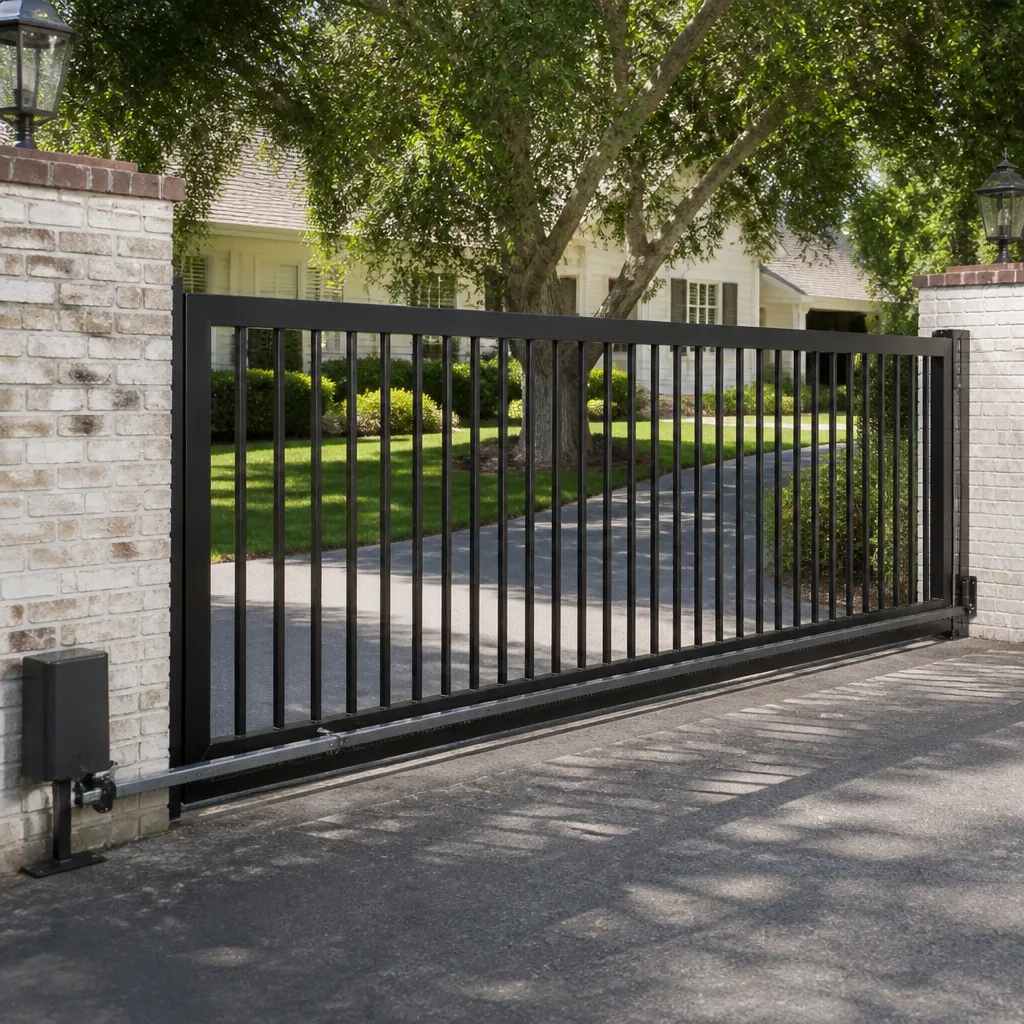 Sliding driveway gates
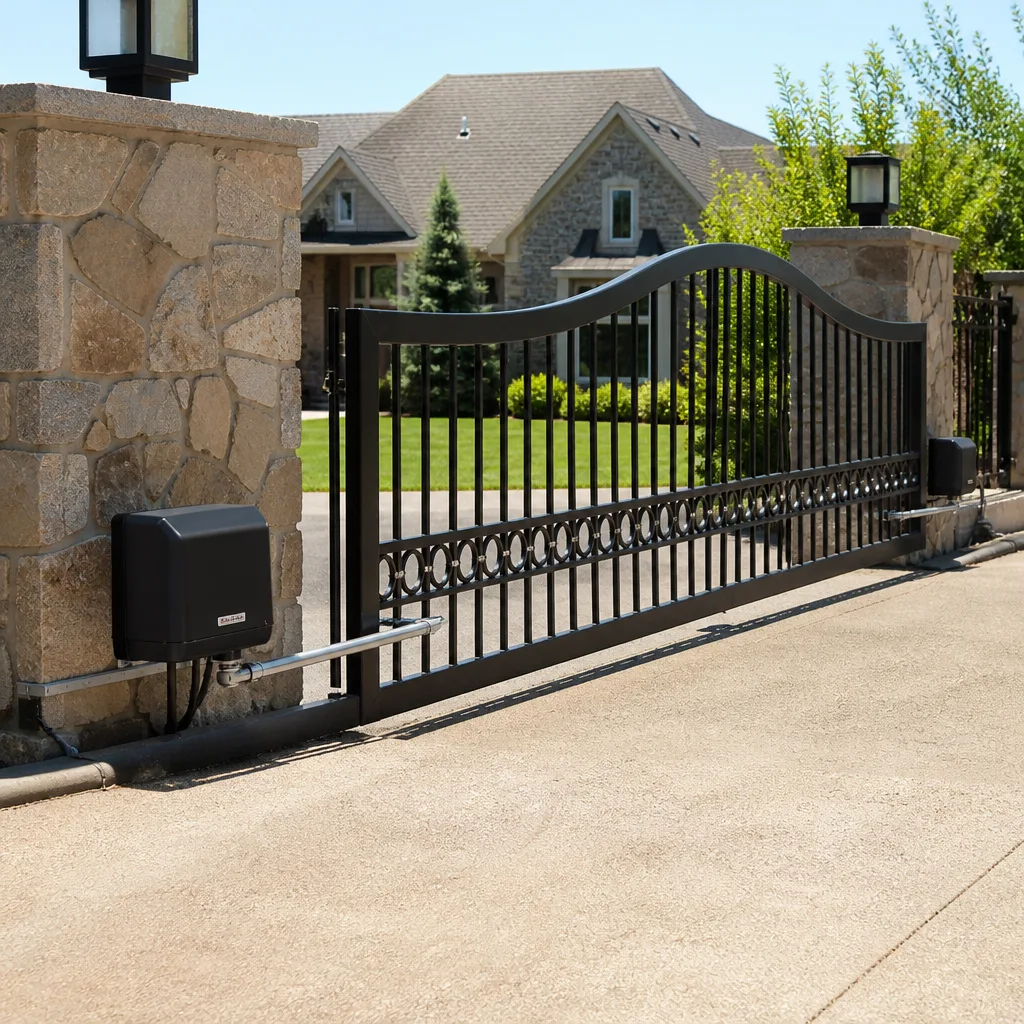 LiftMaster operators
Free on-site gate assessment - hinges, posts, and your LiftMaster or Nice gate operator checked before anything is quoted
The assessment is free and the quote is the invoice.
Get your free estimateGate Repair Maintenance Checklist for Washington Homeowners
Most gate maintenance advice is written for a climate that doesn’t exist here. Washington homeowners get told to “lubricate twice a year” and “check the chain regularly,” which sounds reasonable until you realize that our freeze-thaw swings, the spring pollen dump, and the summer humidity each stress a completely different part of your gate in a completely different season. A checklist that ignores that is just a calendar with chores on it.
This guide sequences maintenance by what Washington’s weather is actually doing to your hardware. You’ll learn which tasks you can handle safely, which ones you shouldn’t touch, and how to track your gate’s condition so a technician can catch drift long before it turns into an operator failure.
Quick Answer
A solid gate maintenance checklist for Washington runs on a season-based rhythm: post-winter inspection for freeze damage and lubrication, spring pollen cleaning of sensors and tracks, summer chain tension and hardware checks, and fall prep before the freeze returns. The components that fail most often from neglect are the hinges and pivot points, the chain or drive track, and the limit switches. You can safely inspect and clean all of them; only a technician should open the operator housing or recalibrate limit switches.
Styles & brands we work with
- Wrought iron
- Wood & steel frame
- Farm & ranch
- Sliding driveway gates
- LiftMaster operators
Table of Contents
- Why a Seasonal Checklist Beats a Generic One in Washington
- The Post-Winter Inspection Sequence
- What Pollen Does to Your Sensors (and How to Clean Them Safely)
- Component-Specific Maintenance Intervals
- DIY Tasks vs. Technician Tasks: Where the Line Is
- How to Document Your Gate’s Condition Over Time
- Fall Freeze Prep and What to Watch as Winter Sets In
- Common Mistakes to Avoid
Why a Seasonal Checklist Beats a Generic One in Washington
Washington’s climate cycles through four distinct stressors, and each one hits different hardware. Between late fall and early spring, temperatures bounce above and below freezing repeatedly. That cycle expands moisture inside metal seams and small gaps, then contracts it, and repeated cycles gradually work fasteners loose and accelerate wear on lubricated surfaces. By the time the freeze breaks, a gate that sat untouched all winter is often running tighter, louder, and slower than the owner remembers.
Then pollen arrives. Washington’s spring pollen season coats every horizontal surface, and gate sensors sit right in the flight path. A photocell lens with a film of pollen on it doesn’t fail outright. It gets flaky. The gate reverses on nothing, opens halfway, or stops responding to the safety edge at random. That’s the most common “my gate is haunted” call we hear, and it’s almost always a sensor that needs a soft cloth.
Summer brings heat and humidity. Wood and composite gates swell slightly; metal expands. Chain and belt drives that were tensioned in cool weather may be wrong now, and hinges that ran fine at 50 degrees can feel stiff at 95. And the second freeze arrives in late fall carrying all the same risks as the first one, except that your gate has been through another summer of use.
That’s the case for sequencing your checklist to the season rather than to an arbitrary calendar. Washington homes have it rougher than most of the country because we get all four stressors in full measure. If you’re already past the point of seasonal inspection and something has failed, our team handles gate repair throughout the area and can get you back to a working gate first, then start the seasonal rhythm.
The Post-Winter Inspection Sequence
The weeks when the freeze breaks are the most valuable inspection window of the year. You’re looking for damage that hasn’t yet caused a failure, which is the cheapest possible moment to fix it. Work through this sequence in order:
- Walk the entire gate path. Look at the ground, the track (if it’s a sliding gate), the posts, and the hinges. Check for heaving, cracking around post footings, and soil settlement. Winter ground movement affects gate alignment more than any part of the gate itself.
- Open and close the gate by hand if your operator allows a manual release. It should move smoothly with light resistance. If it catches, binds, or feels heavier on one side, the issue is in the gate hardware, not the operator.
- Inspect hinges and pivot points. Look for rust bloom, white powder on aluminum pivots, and grinding noise. Winter moisture and frozen lubricant are the two main culprits.
- Check the chain (or drive track) for slack. A correctly tensioned chain should allow only minimal sag. If it feels loose or slaps against the housing during operation, note it for adjustment.
- Run the gate through full open and close cycles while watching the safety sensors. Interrupt the beam and confirm the gate reverses or stops as designed. If it doesn’t respond, that’s a safety call, not a maintenance one.
- Listen for unusual sounds. Grinding, squealing, or a low hum with no movement can all mean different problems. Record what you hear and when it happens.
One note on that first step: as the ground thaws, post footings in Washington can heave unevenly, especially on older properties where clay soil holds moisture. A gate that was perfectly level in November may swing into a sag by March. That’s not operator failure. It’s an alignment issue the operator will fight forever until the posts are reset correctly. If you’re seeing alignment drift, our guide on electric gate repair covers the operator-side symptoms in more detail.
What Pollen Does to Your Sensors (and How to Clean Them Safely)
Washington’s pollen season at its peak turns every exposed surface yellow in a matter of days. Photocell safety sensors sit on the gate posts or operator housing, often horizontal, often in the direct path of airborne pollen. A single heavy week can leave a lens with enough film to degrade the infrared signal, which causes intermittent false trips.
Cleaning is a homeowner task, but it needs care so you don’t knock the sensors out of alignment:
- Use a soft, dry microfiber cloth. No paper towels, no abrasive pads.
- Wipe gently without pressing hard on the lens housing.
- Don’t use glass cleaner or any liquid spray near the sensor housing. Moisture can seep into the seam and cause corrosion on the circuit board.
- For stubborn buildup, breathe on the lens and wipe with the cloth. That’s usually enough.
- After cleaning, test the beam by interrupting it with your hand and confirm the gate responds.
Here’s the important part: if the gate still behaves erratically after a clean and test, stop. Don’t loosen the mounting brackets to “adjust” the sensor. The two photocells need to be aligned to within a fraction of an inch, and once you’ve moved them, realigning them without the right tools is guesswork. Call a technician. Anything from Linear to Viking to DoorKing uses the same general sensing logic, and a tech familiar with your brand will have it realigned in minutes.
Pollen also settles on the track of sliding gates and the rollers of swing gates. A dry sweep of the track with a stiff brush during peak season keeps the operator running clean this time next month, and keeps your gate repair phone calls to a minimum.
Component-Specific Maintenance Intervals
Different parts of the gate need attention on different schedules, and those schedules are tighter in Washington than in milder climates. Here’s our working interval guide. Note that “inspect” means a visual and hands-on check with no tools; “service” means attention from a technician:
Every 2 – 3 months (Washington spec)
- Hinges and pivot points: Inspect plus lubricate with a proper gate-specific lubricant. In mild climates, twice a year might suffice. In Washington, 3 – 4 times is realistic.
- Photocell sensors: Clean with a dry cloth, especially from late March through May.
- Chain: Visual check for slack, rust, or debris. Chain-driven operators on Linear and Viking systems benefit from a proper chain lubricant during each inspection.
- Track (sliding gates): Sweep or brush clean, especially after leaf drop and after the spring pollen peak.
- Hardware bolts: Light tightening check with a proper wrench. Freeze-thaw cycles loosen them faster than most homeowners expect.
Every 6 months
- Limit switch calibration: A technician task. Limit switches determine where the gate thinks “fully open” and “fully closed” are. Small drift from vibration and temperature change causes the gate to stop short or overshoot, and only a proper recalibration fixes it reliably.
- Operator arm and mount: Check for play or loosening. Operator mounts take constant mechanical stress; when they loosen, the whole mechanism runs wrong.
- Safety reverse test: Walk through a defined test procedure to confirm the gate reverses on obstruction, every movable part, and every safety edge.
Annually (before freeze-up and after thaw)
- Full operator inspection including the housing, circuit board touch points, and cable management. This is a technician job.
- Post footing check for settling or heaving, which Washington freezes expose clearly.
- Battery backup test on operators that have one, including Ghost Controls and Mighty Mule systems, since batteries degrade faster after a cold season.
- Access control and keypad battery replacement on DoorKing and similar systems. Dying keypad batteries are one of the cheapest failures to prevent.
DIY Tasks vs. Technician Tasks: Where the Line Is
We get asked a lot which maintenance tasks a homeowner can safely handle. Our answer is generally: anything outside the operator housing is fair game, and anything inside it isn’t. The electric gate systems we work on run on line voltage, and the circuits inside the housing, the control boards, and the loop detector wiring all present a shock hazard that isn’t worth touching to save a service call.
Safe for a homeowner
- Visual inspection of the gate, posts, and hardware
- Cleaning photocell lenses and sensor housings with a dry cloth
- Cleaning and brushing the track on sliding gates
- Lubricating hinges and pivot points with a gate-appropriate lubricant
- Tightening exterior mounting bolts that have come loose
- Replacing batteries in keypads and remote fobs
- Clearing debris from the gate path and around the operator
Leave for a technician
- Opening the operator housing at all
- Adjusting limit switches
- Adjusting chain tension on the operator
- Photo-eye alignment and replacement
- Loop detector testing and replacement
- Control board diagnostics or replacement
- Any test that requires physically pushing against a moving gate (which itself is a crush hazard if done wrong)
- Wiring or electrical work of any kind
For the technician-side work, we diagnose by brand, not by trial and error. LiftMaster, FAAC, BFT, Linear, Viking, Ghost Controls, DoorKing, Elite, and Mighty Mule all have their own logic for how the operator reports a fault and how the safety circuit responds, and familiarity with those patterns is what turns a two-hour troubleshoot into a 20-minute repair. That’s the reason we focus on brand compatibility rather than pushing a single manufacturer.
How to Document Your Gate’s Condition Over Time
Documentation is the difference between a technician who shows up knowing exactly what’s been happening and one who has to start from scratch. The good news is that you don’t need a maintenance logbook. A phone camera roll and a few notes cover it. Here’s the system we recommend to Washington homeowners:
- Photograph every inspection. Take four photos during each seasonal inspection: one of the hinge line, one of the operator housing, one of the photocell lenses, and one of the track or chain. The same angles each time. These photos become your baseline.
- Note the date and the weather. Two lines on a notes app. “March 12, first thaw, 45 degrees” tells a technician more than you’d think about what was happening to the gate that week.
- Log every symptom with its conditions. “Gate reverses on its own in the morning” or “Slow close after rain” tells your technician about moisture intrusion versus pollen versus a failing limit switch.
- Record the open and close time. As the gate’s operator ages, open and close cycles stretch slightly. If “fully open” used to take 14 seconds and now takes 18, that’s drift, and drift caught early is a calibration, not a replacement.
- Keep every receipt and service note from any technician visit. Combined with your photos, that file becomes a service record that saves real diagnostic time.
Here’s where the pay-off comes in. When you call about a gate that’s behaving strangely, you can send your technician four months of photos plus a note about exactly when the behavior started. That short-circuits a full diagnostic visit. It doesn’t guarantee a same-day fix, but it does make the first visit far more productive. We’ve seen Gate Repair Washington diagnostic visits where the customer’s photos identified a limit switch drift before the technician reached the property.
Fall Freeze Prep and What to Watch as Winter Sets In
Fall is the underrated part of the maintenance year. Everything you do (or don’t do) between September and the first hard freeze determines what shape the gate is in by March. This is the prep list we walk our Washington customers through each fall:
- Lubricate everything one last time. Hinges, pivots, chain, and accessible hardware. Do this before the first hard freeze when the weather is still mild enough for the lubricant to work into the surface.
- Check the operator for moisture intrusion points. Look at the housing seals and the cable entry. Any crack or gap that lets in moisture will freeze-expand through the winter and cause damage by spring.
- Clear vegetation from the gate path. Fallen leaves and dead branches can jam a sliding gate’s track or interfere with the photocell beam through the first snowfall.
- Test the safety reverse. You want to find out in October, not during a January freeze, that the safety sensors aren’t responding.
- Note any new symptoms you saw during the summer. A gate that ran fine in June but felt slightly stiff in August will feel worse by December. Get ahead of it.
- Check the battery backup. Cold weather drains batteries faster than warm weather, so a battery that tests fine in September might fail in the first real freeze.
During the winter itself, keep the gate path clear of snow and ice on the moving side, especially for sliding gates. Never force a stuck gate manually. If the gate won’t move by hand, something is frozen or jammed, and forcing it will break something that wasn’t broken. Call a technician. That’s a proper Washington rescue call.
Common Mistakes to Avoid
- Lubricating the track with WD-40. It’s a penetrant, not a lubricant, and it attracts grit. Grit plus a Washington freeze is a jam that costs real money to fix. Use proper gate lubricant on hinges and pivots, and dry-brush the track instead.
- Wiping sensor lenses with a wet cloth or spray cleaner. Residual moisture in the housing, especially before a freeze, will corrode the circuit board. Dry microfiber only.
- Skipping the post-winter inspection because “the gate still works.” Working and healthy aren’t the same thing. Freeze damage often stays invisible until the operator fights it for months and fails.
- Adjusting limit switches to “fix” a gate that’s binding. The binding is the real problem. Recalibrating around it just hides the issue. Diagnose the mechanical problem first, whether it’s alignment, sag, or a failing hinge.
- Ignoring pollen season. A sensor that runs fine in February can start behaving erratically in April. Add a pollen-season sensor check to your calendar and you’ll avoid the annual “my gate is haunted” call.
- Opening the operator housing to “look inside.” Capacitor charge, live wiring, and the drive mechanism inside an electric gate operator create real hazards. What you don’t see can’t hurt you; what’s inside the housing can.
- Waiting until a failure to call. Seasonal maintenance from a gate-only specialist is scheduled, scoped, and priced. Emergency repair after an operational failure is never cheaper. The math favors the calendar.
See the difference
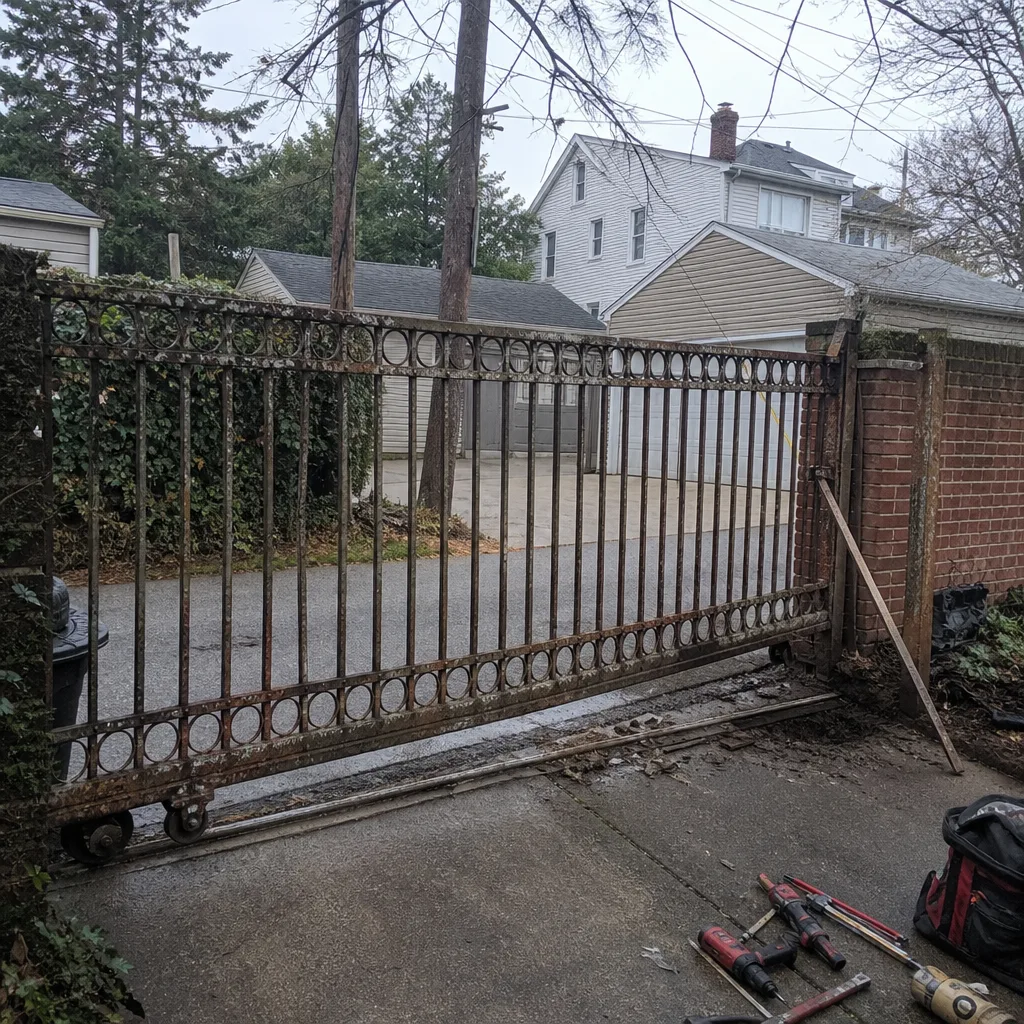 Before
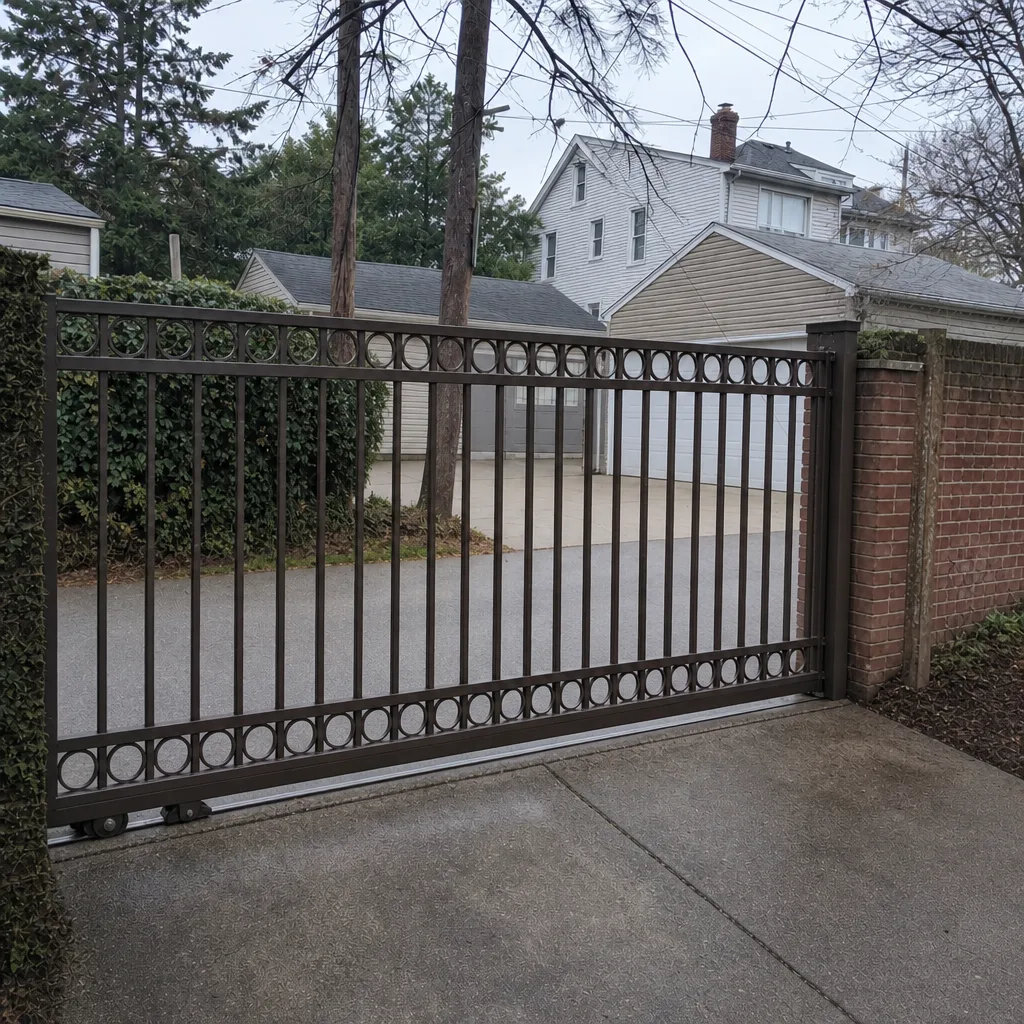 After
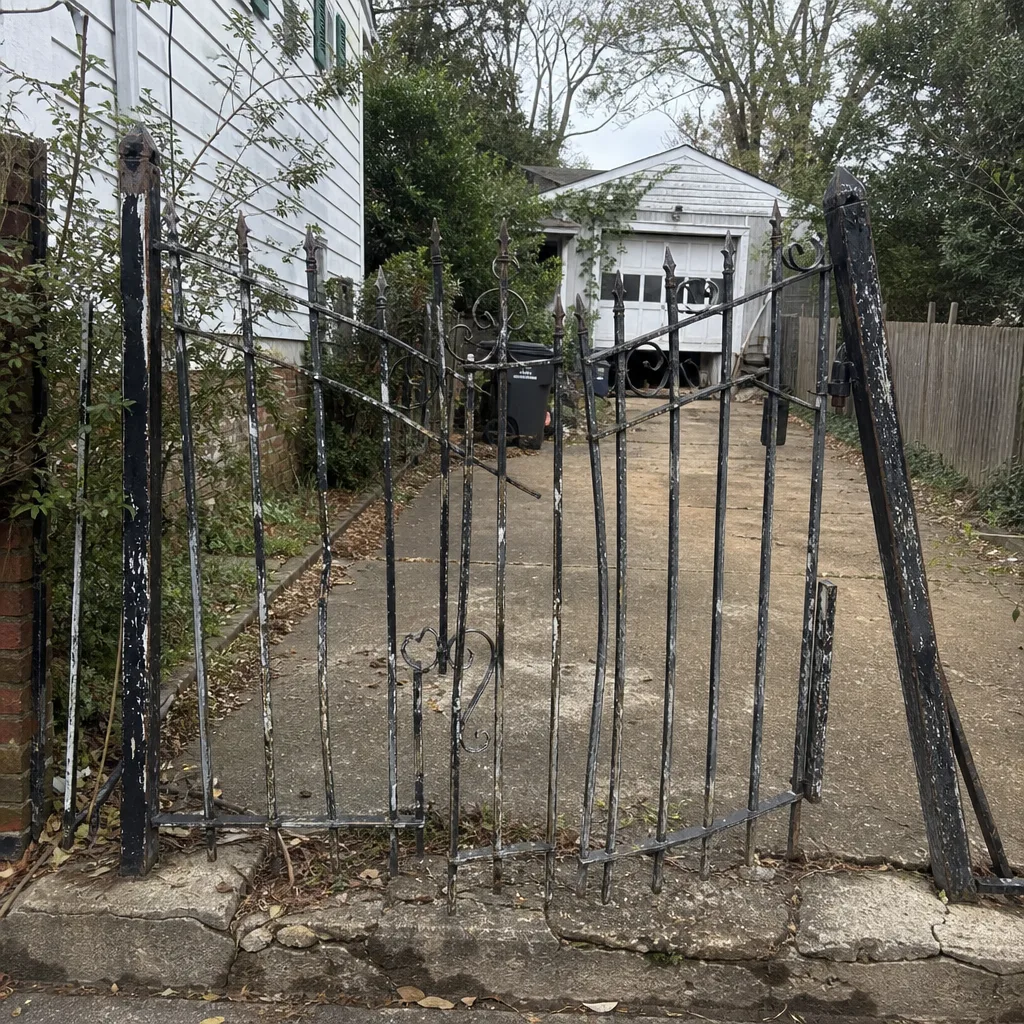 Before
 After
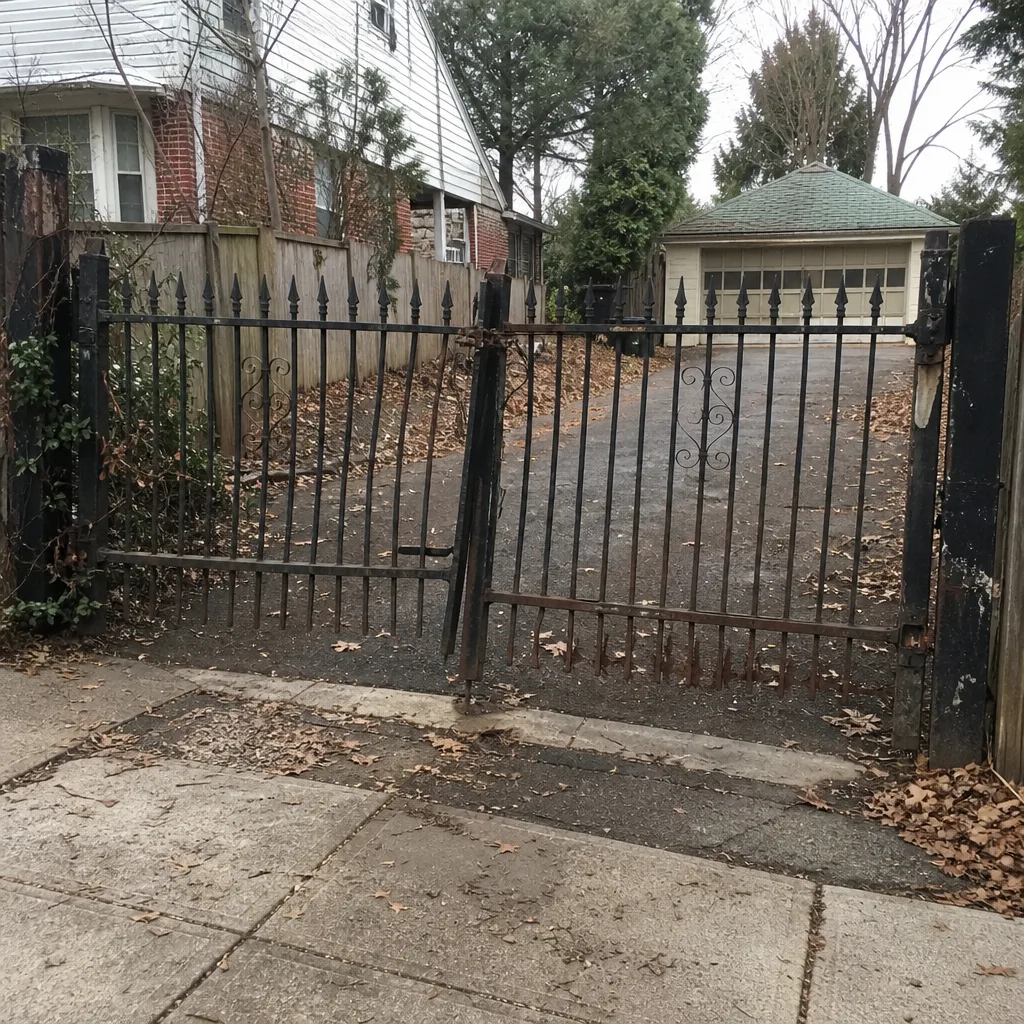 Before
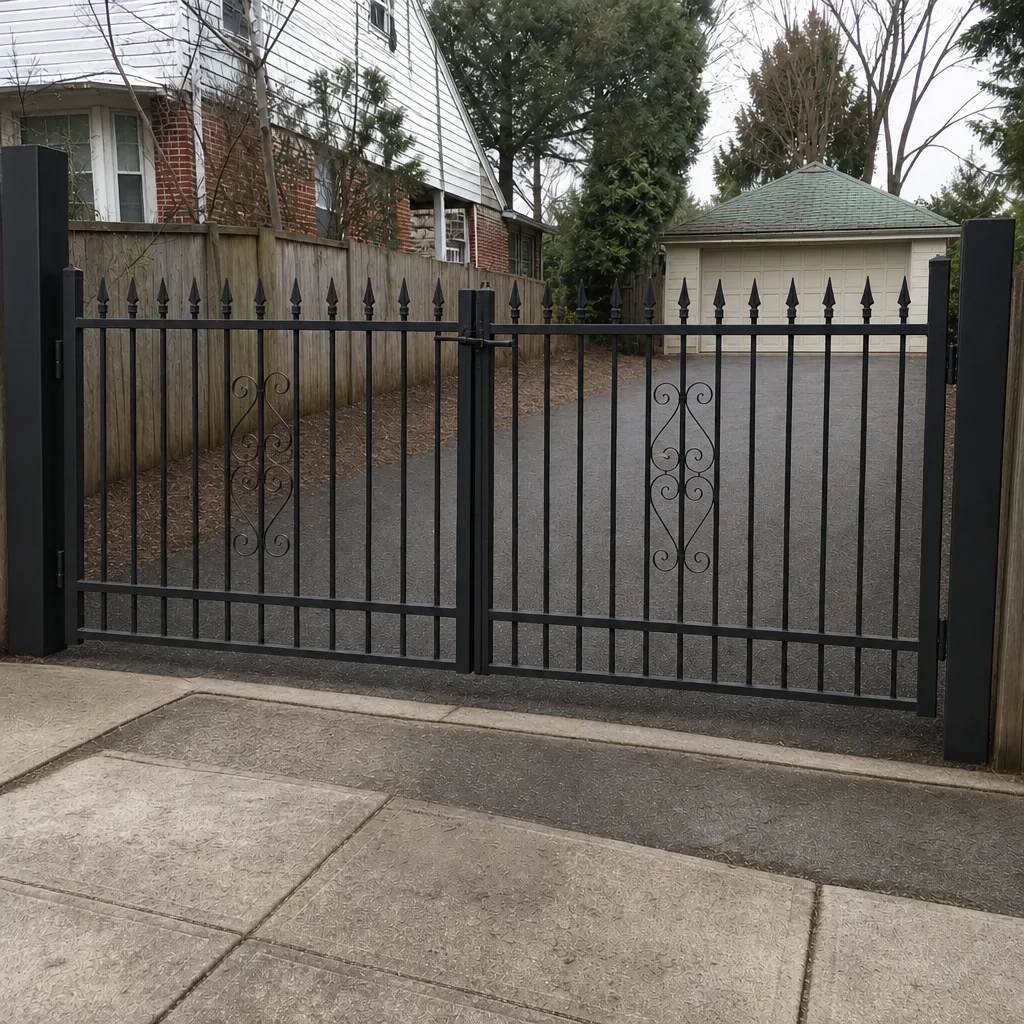 After
When to Call a Professional
Most maintenance is homeowner-safe, but a few situations need a technician immediately. If the gate reverses without an obstruction, fails to stop when the beam is interrupted, or if the last safety reverse test didn’t work correctly, stop using the gate. A gate that doesn’t respond to its safety sensors is a crush hazard, and it needs a proper diagnosis. If any electric gate operator shows smoke, a burning smell, a buzzing noise with no movement, or if any visible wiring is exposed or damaged, don’t touch it and don’t try to disconnect it. Call a technician. If the gate drags, binds heavily, or falls off its track, stop using it. One forced cycle can damage the operator and the gate itself.
Our team works on all of these situations from the Washington service area. If you’re not sure your situation qualifies, call us and describe what’s happening. We can usually tell you over the phone whether it’s a maintenance issue or a repair call.
Call (888) 260-4909 for a free estimate. We answer 24/7. Fast dispatch from 7am to 7pm, Sunday through Friday.
Frequently Asked Questions
Every 2 – 3 months is realistic for Washington, compared to twice a year in milder climates. Freeze-thaw cycles work moisture into every pivot point and cycle it out again, which gradually strips lubricant from the surfaces. Use a gate-specific lubricant, not a general-purpose spray, and apply it to hinges and pivots each time you do a seasonal inspection. If hinges feel stiff, don’t force them; lubricate and let them work in before the next cycle. Call (888) 260-4909 if stiffness persists – estimates are free.
Pollen. Washington’s spring pollen season coats every horizontal surface, and photocell lenses are horizontal surfaces. A film of pollen degrades the infrared signal, causing false trips, intermittent stopping, and phantom reversals. Clean the lenses with a dry microfiber cloth, no liquids, and confirm the beam response afterward. If the gate continues to misbehave after cleaning, don’t adjust the sensor yourself. Call (888) 260-4909 for sensor alignment and diagnostics.
No, not safely. Limit switches sit inside the operator housing, and either the housing contacts line voltage or the mechanism itself has stored energy that can cause injury. Recalibration also requires knowing where the physical and electronic limits should be, and getting it wrong causes the gate to strain against its stops or fail to close fully. This is a technician task. Call (888) 260-4909 and we’ll reset the limits and check for the underlying drift that caused the issue.
A full inspection of the operator, hinge and pivot lubrication, chain tension check, limit switch calibration, safety reverse test, and photocell alignment and cleaning. We also check the post and alignment for freeze or thaw damage, and note any drift we see against the last visit. Because we focus exclusively on gates, we can do this on any of the brands we work with, including Linear, Viking, and Ghost Controls. Call (888) 260-4909 for a free estimate.
Often yes. Heat causes metal to expand and wood to swell, so hinge and pivot points run tighter in July than they do in April. Sluggishness can also indicate a chain that needs tensioning or a motor that’s working harder than it should. None of these get better on their own, and they compound if ignored. Have a technician check the chain tension and calibration before it becomes a failure. Call (888) 260-4909 for a free estimate.
Yes, and the prep window is September through late October, before the first hard freeze. Lubricate all hinges, pivots, and the chain. Check the operator housing for moisture intrusion points. Clear the gate path of leaves and debris. Test the safety reverse. Have the battery backup on your operator checked, since batteries decline quickly in cold weather. Any new symptoms you noticed during the summer should also be addressed before the freeze. Call (888) 260-4909 to schedule your fall prep service.
The Bottom Line
A seasonal rhythm beats an arbitrary calendar. In Washington, freeze-thaw cycles attack the hardware, pollen knocks out the sensors, summer heat strains the drive, and the fall freeze closes the loop. If you follow a component-specific checklist, sequence by season, document with photos and notes, and know exactly where the line is between what you can safely do and what a technician should do, you’ll get years of extra life out of any gate system. When something goes wrong or you’d rather hand the whole job to a specialist, our team is one call away. Call (888) 260-4909 for a free estimate.
Written by the team at Gate Repair Washington.