
Last updated November 15, 2026
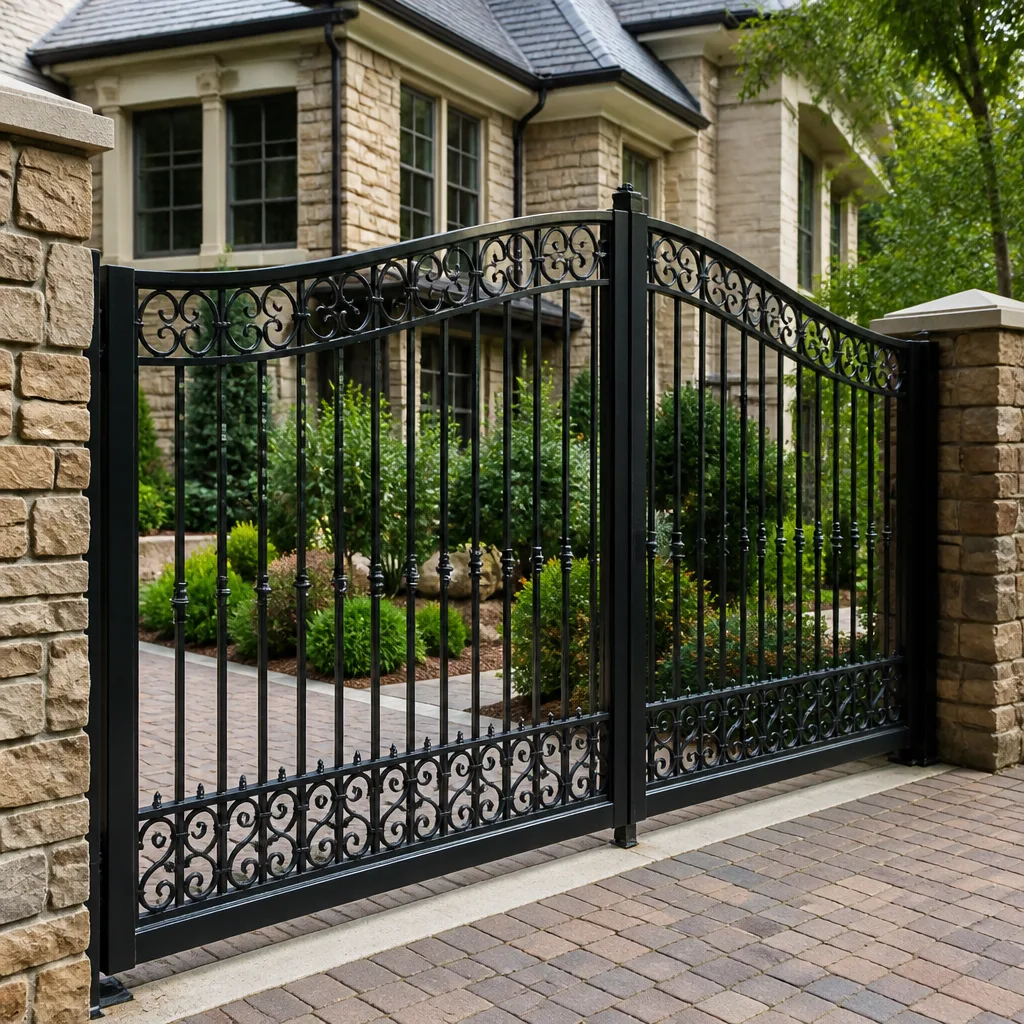 Wrought iron
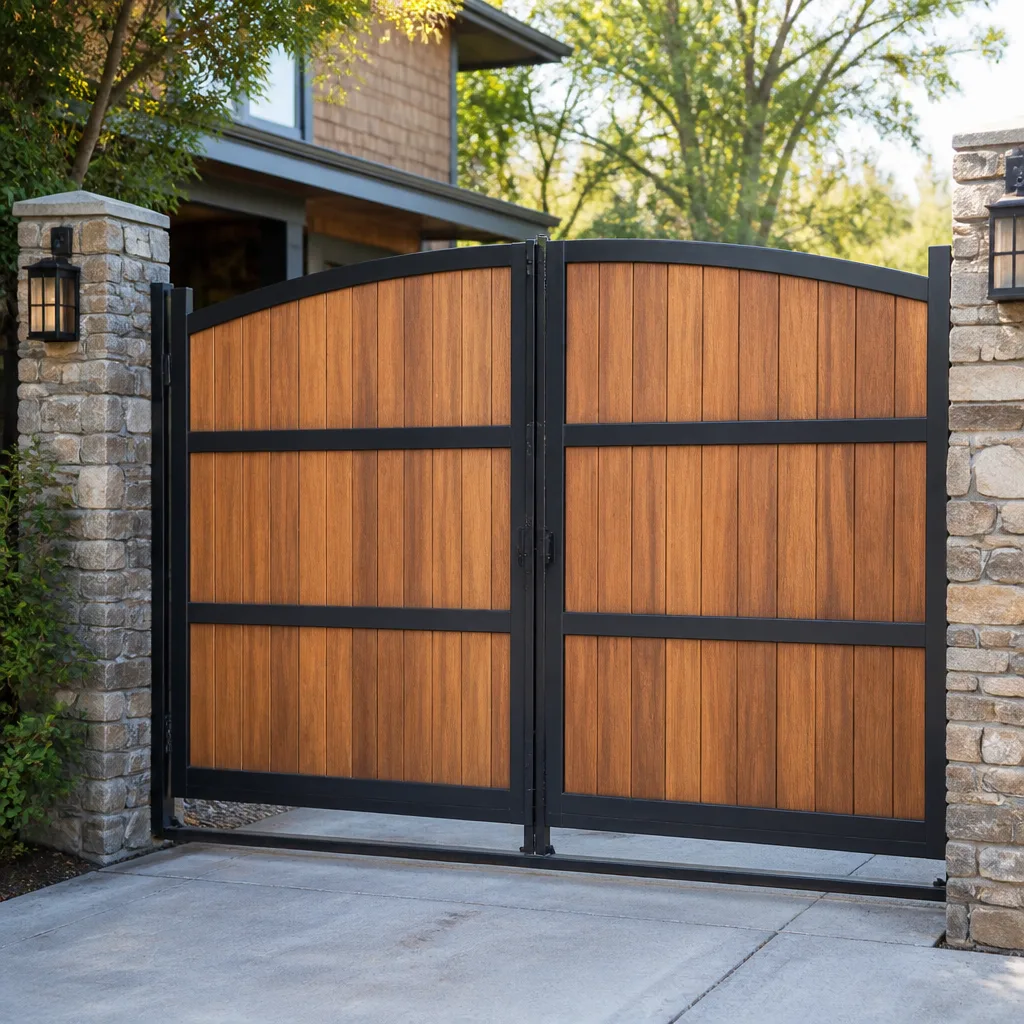 Wood & steel frame
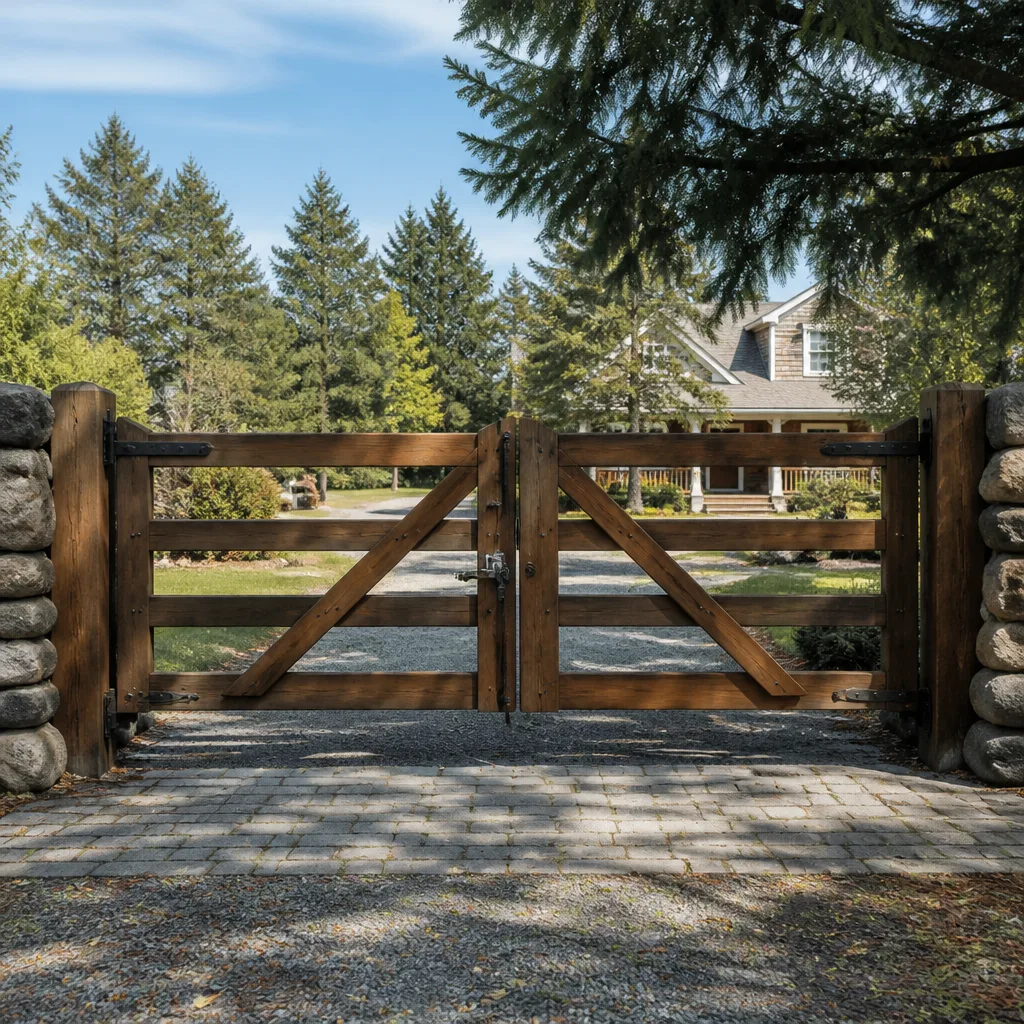 Farm & ranch
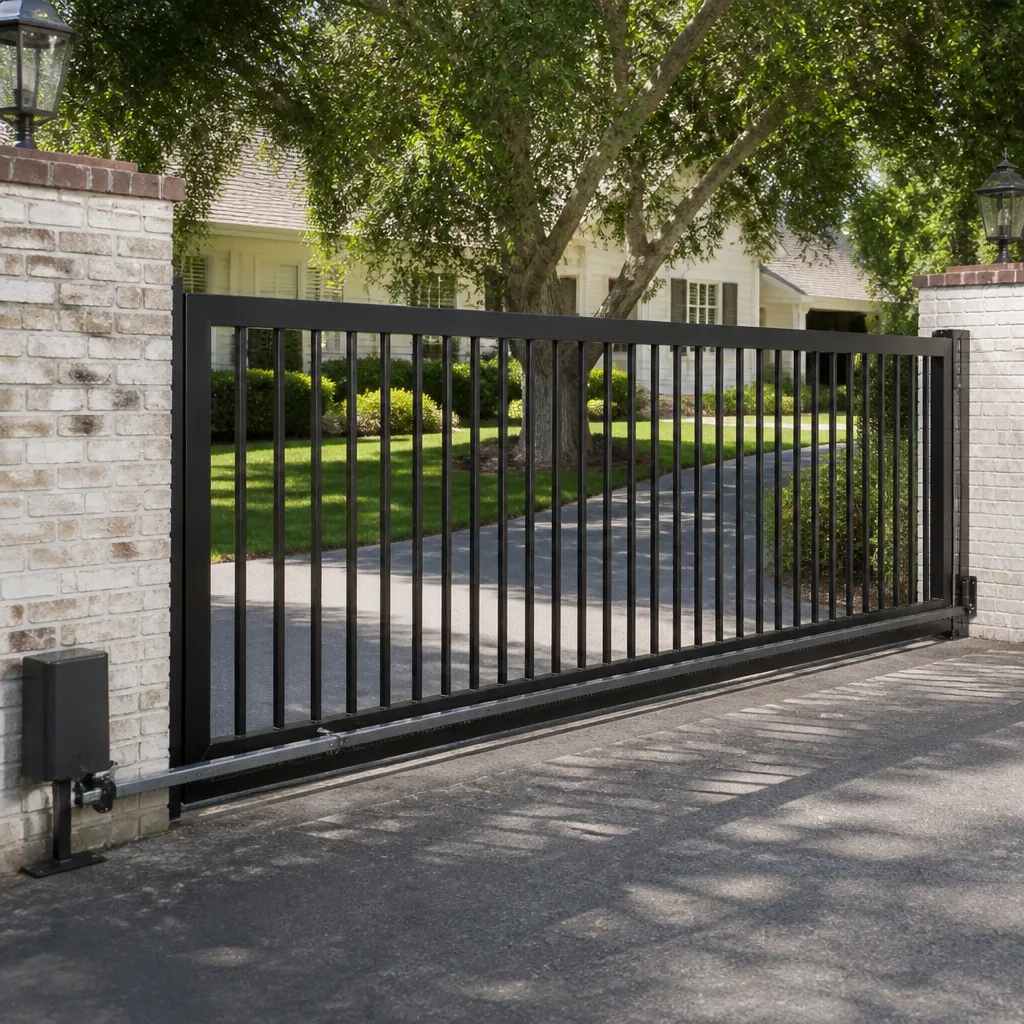 Sliding driveway gates
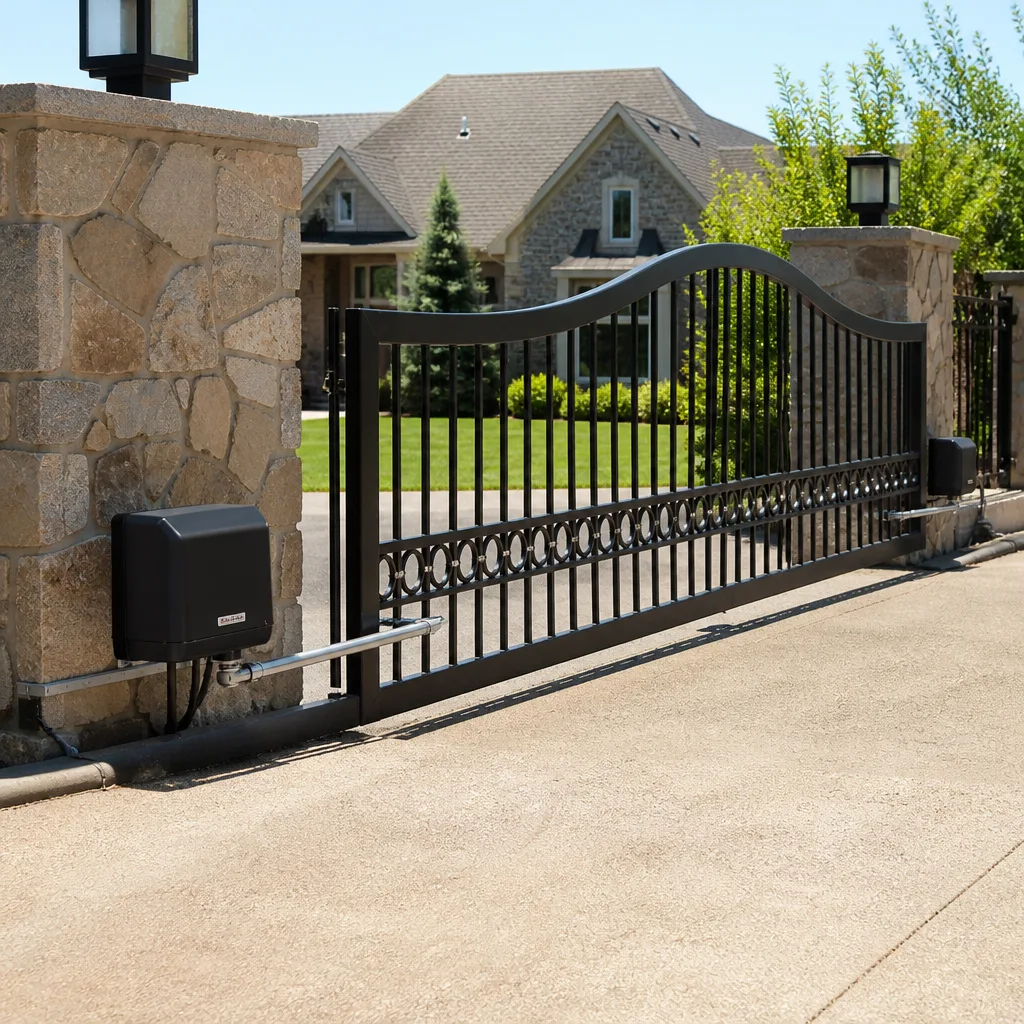 LiftMaster operators
Free on-site gate assessment - hinges, posts, and your LiftMaster or Nice gate operator checked before anything is quoted
The assessment is free and the quote is the invoice.
Get your free estimateGate Repair Permits, Codes & Inspections in Washington, DC: What You Need to Know
Here’s the thing most homeowners get wrong about gate permits in Washington, DC: the permit trigger usually isn’t the repair. A gate that’s sagging, a bent hinge, a manual latch that stopped catching – those routine fixes generally don’t need anyone’s sign-off. What draws the city’s attention is specific conditions around how tall the gate is, whether it’s automated, how close it sits to a property line or public space, and whether the address lands inside a historic district. That’s why the same repair in Dupont Circle can pull in a historic preservation review that a job in Anacostia never touches. In this guide, we’ll walk through when a Washington permit is actually required, who’s responsible for pulling it, how the Historic Preservation Review Board and HOA overlays change the picture, and what unpermitted gate work means if you ever sell.
Quick Answer
In Washington, DC, routine gate repair (hinges, latches, alignment, and most operator fixes on an existing gate) typically does not require a building permit. A permit, and sometimes a historic preservation review, is more likely required when you replace a gate, change its dimensions or location, add automation, or alter a gate in a designated historic district or on a commercial property with public access. The property owner is responsible for confirming the rules with the DC Department of Buildings and any historic review board or HOA before work starts.
Styles & brands we work with
- Wrought iron
- Wood & steel frame
- Farm & ranch
- Sliding driveway gates
- LiftMaster operators
Table of Contents
- What Triggers a Gate Permit in Washington, DC?
- Who Pulls the Permit: You or the Contractor?
- How Historic Districts Change Gate Work in Washington
- HOA Rules That Ride Alongside DC Permits
- What Unpermitted Gate Work Means When You Sell
- ADA and Commercial Gate Compliance in Washington
- What a Gate Inspection Actually Covers
- Common Mistakes to Avoid
What Triggers a Gate Permit in Washington, DC?
Think of it this way: the gate itself is a fixture, but moving, enlarging, or automating it can change what the city considers a structure or an electrical installation. The permit question almost always comes down to footprint and power, not the repair wrenching.
Here are the conditions most likely to trigger a permit in Washington:
- Replacement, not repair. Swapping a gate for a new one of the same size and location in the same opening is usually treated differently than repair. Changing the height, width, or swing direction crosses the line into new construction territory.
- New automation. Adding an operator, control board, or wiring to an existing manual gate is often an electrical permit question, because it’s new equipment connected to the property’s power.
- Fence and gate height near property lines. Some residential zones limit how tall a gate or fence can be near the street or a side lot line. Ask the Department of Buildings about your specific zone before building up.
- Historic districts. Any gate visible from a public right-of-way in a historic district can require review, even a like-for-like replacement.
- Commercial and multifamily property. Any gate serving a building with public access or vehicle traffic into a lot pulls in additional code considerations we’ll cover below.
What usually doesn’t need a permit: a hinge swap, a weld repair on a post, re-hanging a sagging gate, or fixing an operator that stops responding. If the work keeps the gate in its existing footprint and doesn’t add new equipment, the typical answer from the Department of Buildings is no permit. That’s the conversation to have before anyone starts drilling.
If you’re not sure which side of the line your job falls on, the safest move is a quick call to the DC Department of Buildings permit center with your address and a description of the work. It costs nothing but a phone call, and it’s the difference between a clean project and a headache years later.
Who Pulls the Permit: You or the Contractor?
The simplest way to answer this: permits attach to the property, not to the person swinging the wrench. In Washington, most gate permits are pulled by the property owner or the licensed contractor of record. Who actually files depends on the job and how it’s scoped.
Here’s how it typically breaks down:
- Owner-filed permits. Small residential jobs sometimes allow the homeowner to file. You’ll need to know your lot and square number, the scope of work, and any historic clearance. It’s doable, but easy to underestimate if a historic review is also triggered.
- Contractor-filed permits. Larger replacements, new installations, and any job that involves electrical work for an operator are usually filed by the licensed contractor. Ask up front whether permit filing is included in the written scope or billed separately.
- Historic and HOA sign-off first. In a historic district, the design review has to clear before the permit application can move. Getting the order wrong means the permit sits in queue.
- Inspection scheduling. Once work is done, an inspection is often required before the permit is closed. The party who pulled the permit usually schedules that final inspection.
For a general repair, none of this comes up. For anything bigger, the single most important question to ask any contractor is: “Are you filing the permit, or am I?” Get it in writing in the estimate. Uncertainty about who’s responsible for the paperwork is one of the most common reasons gate projects stall in Washington.
If your gate is electric and the issue is on the operator side, that’s a repair rather than new construction in most cases. We handle electric gate repair on systems from brands like LiftMaster and FAAC, and we’ll tell you plainly whether a repair stays under the permit threshold or whether your job looks more like a replacement.
How Historic Districts Change Gate Work in Washington
Washington’s historic districts are the single biggest wild card in gate permitting, and most contractors skip the conversation entirely. If your property sits inside a historic district, any work visible from the public right-of-way – including a gate – can require review by the Historic Preservation Review Board or a delegated review before a permit moves forward.
The neighborhoods where this comes up most:
- Georgetown. Long-standing historic review; expect design guidelines that govern gate material, height, and style.
- Capitol Hill. Historic district rules that touch gate replacement and any visible change to the streetscape.
- Dupont Circle. Historic preservation review applies, which is why the same fix here costs more time than the same fix across the Anacostia River.
- Other designated districts. Washington has more than a dozen historic districts, so check your address with the Historic Preservation Office before assuming you’re outside review.
The important thing to understand: historic review is about appearance and character, not just permits. A like-for-like repair that keeps the original gate in place is often fine. A replacement that changes the profile, material, or height typically isn’t. The board’s job is to make sure the streetscape doesn’t shift, and an aluminum gate replacing a wrought iron one in Georgetown is a different conversation than the same swap in Anacostia.
If you’re inside one of these districts, start the historic review earliest, not latest. It’s the longest lead time on the project, and every step behind it waits. For a straightforward repair on an existing historic gate, in our experience the review is usually unnecessary, but the phone call to confirm is what protects you.
HOA Rules That Ride Alongside DC Permits
An HOA overlay runs parallel to the city’s rules – it doesn’t replace them. You can clear DC Department of Buildings and still get stopped by your condo board or community association, and vice versa. Both have to be satisfied on the same project.
What HOAs typically control on gate work:
- Appearance and material. Many associations require architectural review committee approval before any visible change to a gate, even a paint color shift.
- Automation and access. A new operator or keypad changes who can get in. Some HOAs want to review the access-control design, especially on shared driveways or entry points.
- Noise and operating hours. A louder operator can generate complaints, and some associations restrict when automated gates can be serviced.
- Snow, delivery, and emergency access. Associations often require that automated gates have a manual-release capability and a clear plan for utility and emergency vehicles.
The most common failure we see: a homeowner clears DC permits, hires a contractor, and starts work, then discovers the architectural review committee wanted a different gate style. That work has to come back out. Get HOA approval in writing before the order is placed, not after the gate is on the post.
If your association uses an operator from DoorKing or Linear on a shared entrance, it’s worth asking the board whether the current setup is grandfathered or whether a new standard is coming. Coordinating the association and the city in the right order saves weeks. This is one reason we keep our focus narrow – every job we book is a gate repair or installation, so we’re not juggling the paperwork alongside a general handyman’s schedule.
What Unpermitted Gate Work Means When You Sell
Here’s the scenario that surprises people most: an unpermitted gate installation done years ago by a previous owner surfaces during a title search or a home inspection, and suddenly the sale is delayed while everyone scrambles to figure out what the city has on file.
Unpermitted gate work is not usually a “tear it out” problem. It’s a paperwork problem, and it’s fixable. But it can complicate a sale, and in rare cases it stalls a title transfer until it’s resolved. That’s why the right move is to sort it out before you list, not after.
How to correct unpermitted gate work in Washington:
- Find out what’s on file. Pull your property’s permit history from the DC Department of Buildings. If a gate permit was never filed, you’ll see the gap.
- Confirm what was actually built. Compare the built gate to the property record. If it matches, you may be able to file for a post-construction permit or an after-the-fact approval.
- Order any required inspection. A built-condition inspection verifies that the installation meets code. If it doesn’t, you’ll get a punch list to correct.
- Handle any historic or HOA review that was skipped. This is the piece most homeowners miss. If the gate is in a historic district, the review you never did is now a step in the correction process.
- Get the permit closed and keep a copy. A closed permit with an inspection report is the document that puts a buyer’s mind at rest.
The earlier in a sale process you start this, the smoother it is. If a home inspector flags your gate as unpermitted, don’t wait for the buyer to raise it. Get the paperwork resolved and the file closed. That’s exactly the kind of job we see regularly on the Gate Repair Washington side of our work.
ADA and Commercial Gate Compliance in Washington
Commercial and multifamily properties carry extra gate rules under the Americans with Disabilities Act, and DC’s own building code layers on top. A gate serving a public path of travel on a commercial property isn’t just a gate – it’s part of an accessible route, and the way it operates, opens, and signals has to work for people with mobility aids and for anyone who can’t operate a heavy manual gate.
Where this shows up in Washington:
- Gate force and timing. Automated gates on accessible routes have force limits and timing requirements so the gate doesn’t close on a wheelchair, a cane, or a service animal.
- Clear width and approach. The opening has to accommodate a wheelchair or mobility scooter without requiring a user to operate a heavy latch.
- Accessible controls. Keypads, card readers, and call buttons need to be reachable from a seated position, with the approach path clear.
- Loop detectors and safety edges. Vehicle loop detectors and safety sensors aren’t just a convenience – on a public route they’re a code-compliance feature, not an add-on.
This is where brand-specific knowledge matters. Operators from FAAC, BFT, LiftMaster, and other commercial-grade brands have different force profiles, timing adjustments, and sensor wiring. Diagnosing whether a gate’s closing behavior is a sensor problem or a control board problem changes the fix entirely. A gate that fails to reverse on a light obstruction isn’t just a maintenance issue on a commercial property in Washington – it’s a code exposure.
If you’re managing a building with an automated gate on an accessible route and you’re not sure whether the current setup meets the current rules, that’s a site visit question. The city’s building code and the ADA both apply, and the two don’t always line up neatly.
What a Gate Inspection Actually Covers
Whether you’re closing out a permit, satisfying a commercial property requirement, or just want a clear picture of your gate’s condition before a sale, an inspection is a check against code and safety, not a sales pitch. Here’s what a thorough gate inspection actually looks at.
On a manual gate:
- Post integrity and footing – is the post secure, or is the gate pulling it out of the ground?
- Hinge wear, alignment, and latch function
- Swing clearance and any binding against the frame
- Material condition on the panels and frame
On an automated gate, the walkthrough adds:
- Operator function and control board response
- Sensor and safety-edge operation, including reversal on obstruction
- Loop detector or keypad wiring and access-control function
- Manual release in case of power failure – this one gets skipped a lot
- Force settings against the code limits for the gate’s use
For a permit inspection, the inspector is checking against the approved scope in your permit application. For a commercial accessibility inspection, they’re checking against the ADA and DC building code requirements. For a pre-sale inspection, you’re documenting condition so a buyer’s inspector isn’t the one flagging surprises. Different inspections, different checklists, but the same underlying gate.
The safety point on automated gates deserves its own line: high-tension components and operator wiring can hurt you. Don’t open the operator housing or adjust force settings yourself. Those are trained-technician work, and a mistake there can cause a serious injury or void your permit.
Common Mistakes to Avoid
- Assuming “repair” always means “no permit.” Most repairs don’t need one, but a repair that changes the gate’s size or adds an operator usually does. Confirm with the Department of Buildings before you start.
- Skipping historic review in Georgetown or Capitol Hill. If the gate is visible from the public right-of-way in a historic district, the review comes before the permit, not after. Getting this backwards sits the project for weeks.
- Letting the HOA approve after the contractor is booked. Architectural review committee sign-off is a condition, not a formality. Ordering the gate before approval is where the money gets wasted.
- Pulling the permit as the homeowner when a contractor should file it. It sounds like a cost saving, but the paperwork burden lands on you if anything goes wrong. Decide who’s filing up front and write it into the scope.
- Leaving unpermitted gate work to surface at sale. A title search or an inspector’s note is a bad time to discover your gate was never permitted. Sort it before you list.
- Assuming the ADA doesn’t apply on a small commercial property. Any gate on an accessible route on a commercial site in Washington is in scope, even if the property is small.
- Treating the operator as a swap-in part. An operator is matched to the gate’s weight, arc, and safety configuration. A mismatched operator is a code problem and a safety problem, not just a nuisance.
See the difference
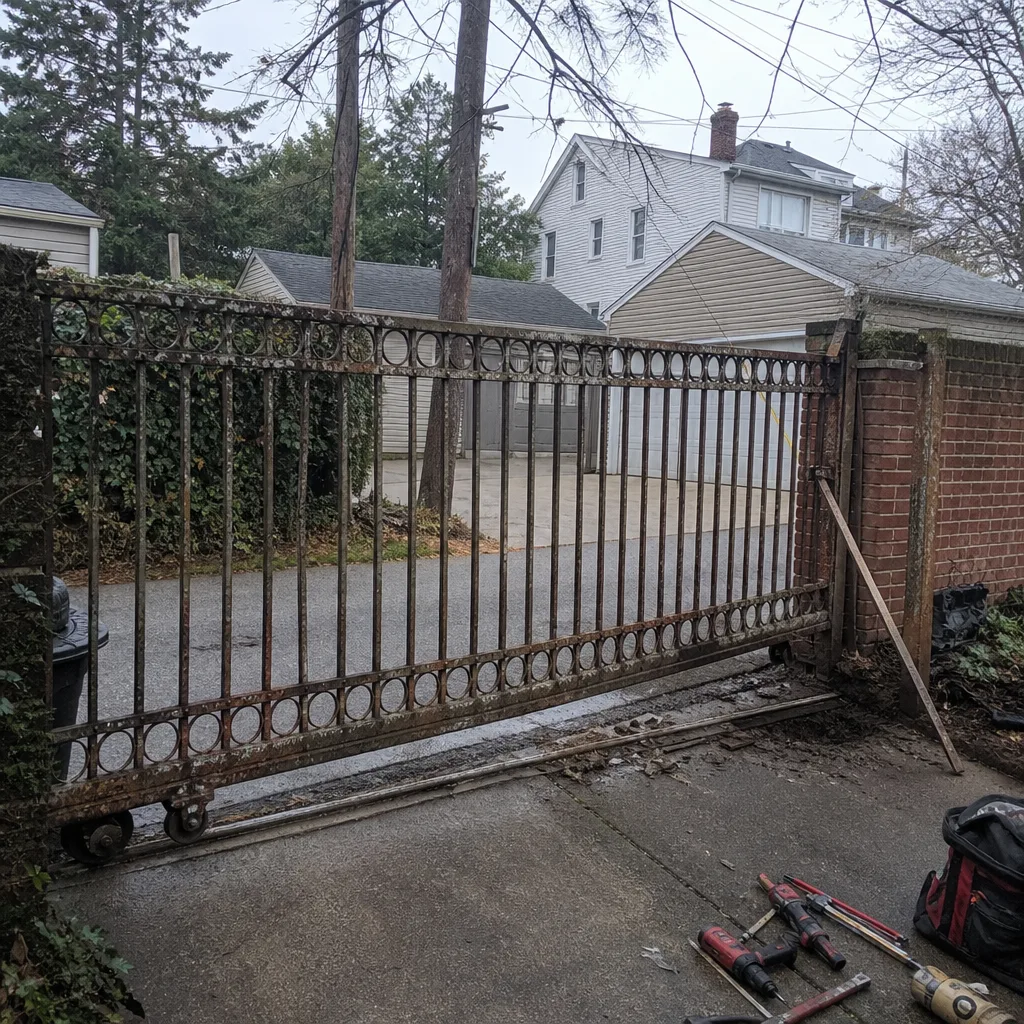 Before
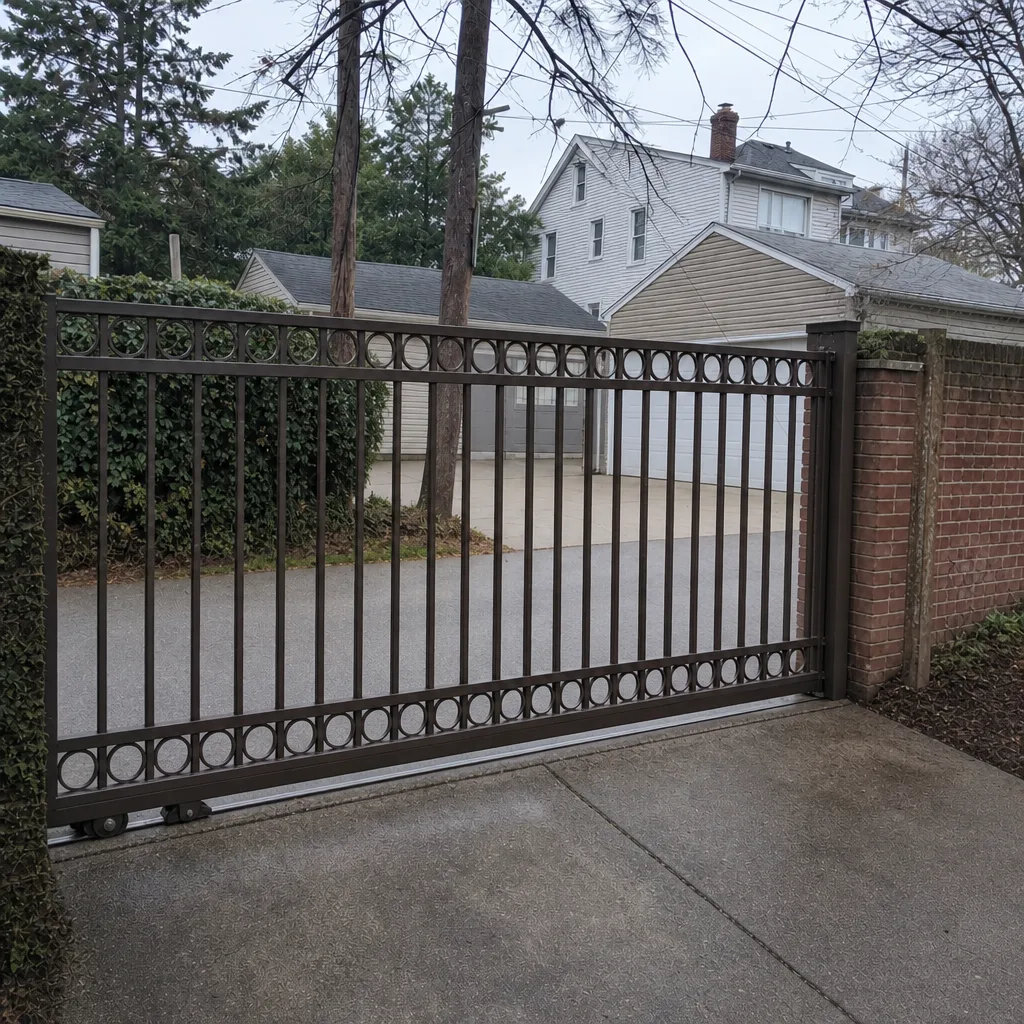 After
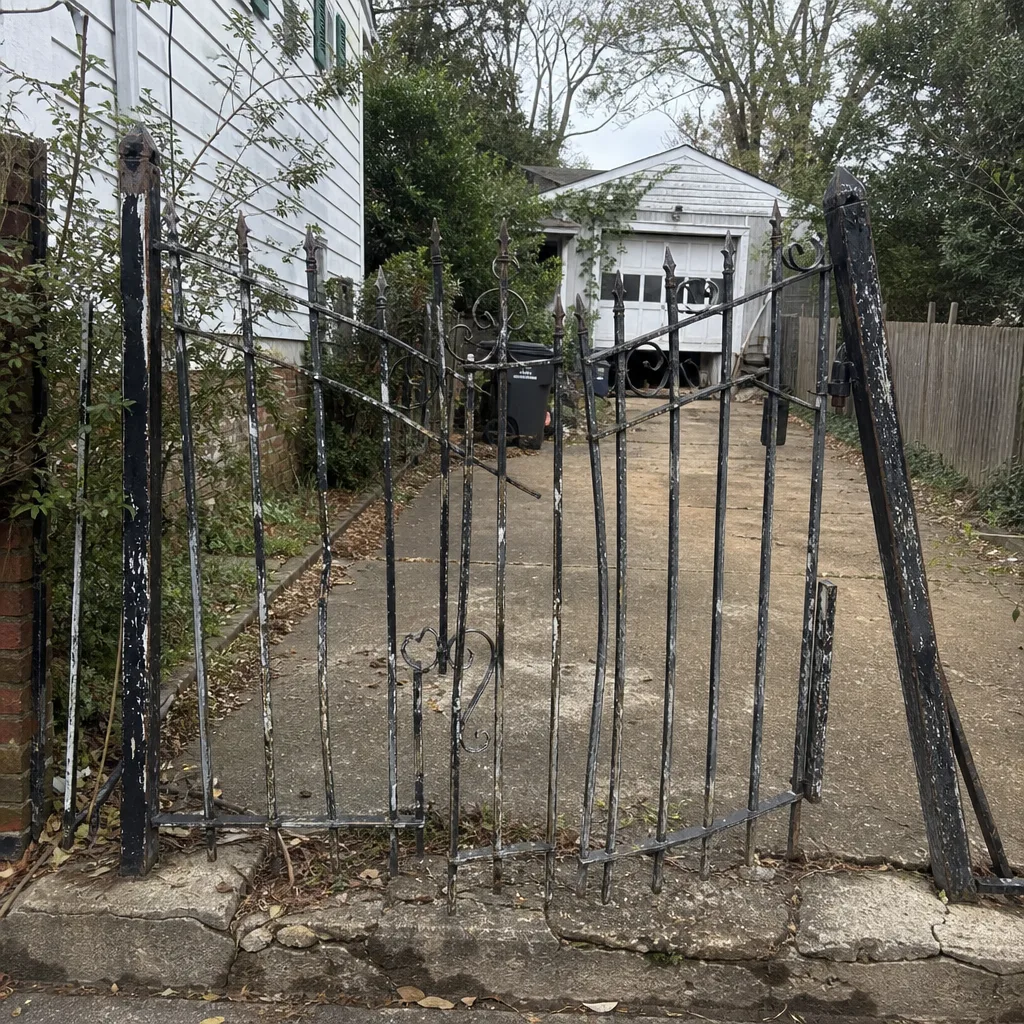 Before
 After
 Before
 After
When to Call a Professional
Some gate issues are a phone call to your city’s permit center and a screwdriver. Others need a technician who knows the brand, the code, and the paperwork.
Call us when your automated gate stops reversing on obstruction, when the operator’s control board is throwing a fault, when the gate has come out of alignment after a storm, or when a pre-sale inspection has flagged the gate and you need it sorted before closing. Call us when you’re planning a replacement and you’re not sure whether the permit, historic review, or HOA approval is the first domino. Call us on a commercial property to check gate compliance against the current ADA and DC code. Gate Repair Washington offers free estimates in Washington – call (888) 260-4909. We answer 24/7. Fast dispatch from 7am to 7pm, Sunday through Friday.
Frequently Asked Questions
Usually not. Routine gate repair – hinges, latches, alignment, welding, and most operator fixes on an existing gate – typically does not require a building permit in Washington. If the work changes the gate’s footprint, adds automation, or falls in a historic district or on a commercial property, check with the Department of Buildings first. Call (888) 260-4909 for a free estimate if you want us to look at the scope before you call the city.
Yes, if the gate is visible from the public right-of-way in a designated historic district. A like-for-like repair is often fine, but a replacement that changes material, height, or style in Georgetown, Capitol Hill, or Dupont Circle can require review by the Historic Preservation Review Board before a permit moves. Call (888) 260-4909 and we’ll walk you through what your address is likely to need.
It depends on how the job is scoped, but the property owner is always ultimately responsible for confirming that the correct permit is on file. Small residential jobs can sometimes be owner-filed; larger replacements and anything with new electrical work are usually contractor-filed. Get the answer in writing in the estimate. Call (888) 260-4909 for a free estimate.
It’s usually fixable. Unpermitted gate work is a paperwork problem, not a demolition order. It can turn up during a title search or home inspection and delay a sale, so the fix is to pull the permit history, confirm the built condition, order any required inspection, and close out the permit. If a historic or HOA review was skipped, that gets handled in the correction process. Call (888) 260-4909 if you’d rather have us look at it first.
If the gate sits on an accessible route at your commercial or multifamily property, yes. That covers gate force limits, timing, clear width, and accessible controls on keypads and card readers. Loop detectors and safety edges aren’t optional extras on a public route; they’re part of the compliance picture. Call (888) 260-4909 for a free estimate on a compliance check.
Often, yes. We test operators from LiftMaster, FAAC, BFT, Linear, and other brands we work on every day, and the diagnostic starts with brand logic, not trial and error. Call (888) 260-4909. We answer 24/7. Fast dispatch from 7am to 7pm, Sunday through Friday.
The Bottom Line
Permits in Washington are filed by conditions, not by category: the trigger is a change in the gate’s footprint, new automation, a historic district, or a commercial property with an accessible route. Routine repairs usually clear the threshold. Replacements, automation, and any work in Georgetown, Capitol Hill, or Dupont Circle deserve a call to the Department of Buildings and a historic review before work starts. Pull the HOA review early, don’t let unpermitted work wait until a sale, and keep the final inspection report in your file. If you’re not sure which side of the line your job falls on, get your scope looked at by a gate specialist first – for repair, electric gate repair, or new installation anywhere in Washington, Gate Repair Washington can help.
Get a Free Estimate on Your Washington Gate Project
Whether you’re replacing a gate and need to sort out the permit path, fixing an operator that stopped responding, or bringing a commercial gate into compliance, we’d rather look at it and tell you straight than have you guess. Our technicians have up to experience, and every job we book is a gate job – that’s the whole focus. We work on the brand you already have, diagnose by brand rather than trial and error, and quote the price in writing before any work starts. We answer 24/7. Fast dispatch, 7am-7pm, Sunday through Friday. Call (888) 260-4909 for a free estimate.
Written by the team at Gate Repair Washington.